
Vision Cookware Glass: Complete Guide for 2026
Vision cookware glass has maintained a loyal following among home cooks and professional chefs since its introduction in the 1980s. This distinctive amber-tinted glass-ceramic cookware offers unique advantages that continue to resonate with today's kitchen enthusiasts. Unlike traditional metal pots and pans, vision cookware glass allows you to monitor your cooking progress without lifting the lid, preserving heat and moisture while providing unparalleled visibility into the cooking process. As we navigate 2026's evolving kitchenware landscape, understanding the science, benefits, and practical applications of this specialized cookware helps you make informed decisions for your culinary needs.
The Science Behind Vision Cookware Glass
The foundation of vision cookware glass lies in advanced glass-ceramic technology originally developed by Corning. This material represents a significant departure from conventional cookware materials, combining the visual clarity of glass with exceptional thermal properties.
Glass-Ceramic Composition and Manufacturing
The manufacturing process transforms a specific glass formulation into a crystalline structure through controlled heat treatment. Glass-ceramic compositions undergo nucleation and crystallization phases that create a material capable of withstanding extreme temperature fluctuations. The amber coloration results from specific metal oxide additions during production, which also contribute to the material's thermal stability.
Key compositional features include:
- Beta-quartz solid solution crystals that provide thermal shock resistance
- Controlled crystallization creating a non-porous surface
- Transparent properties allowing visual cooking monitoring
- Chemical composition optimized for thermal expansion coefficients
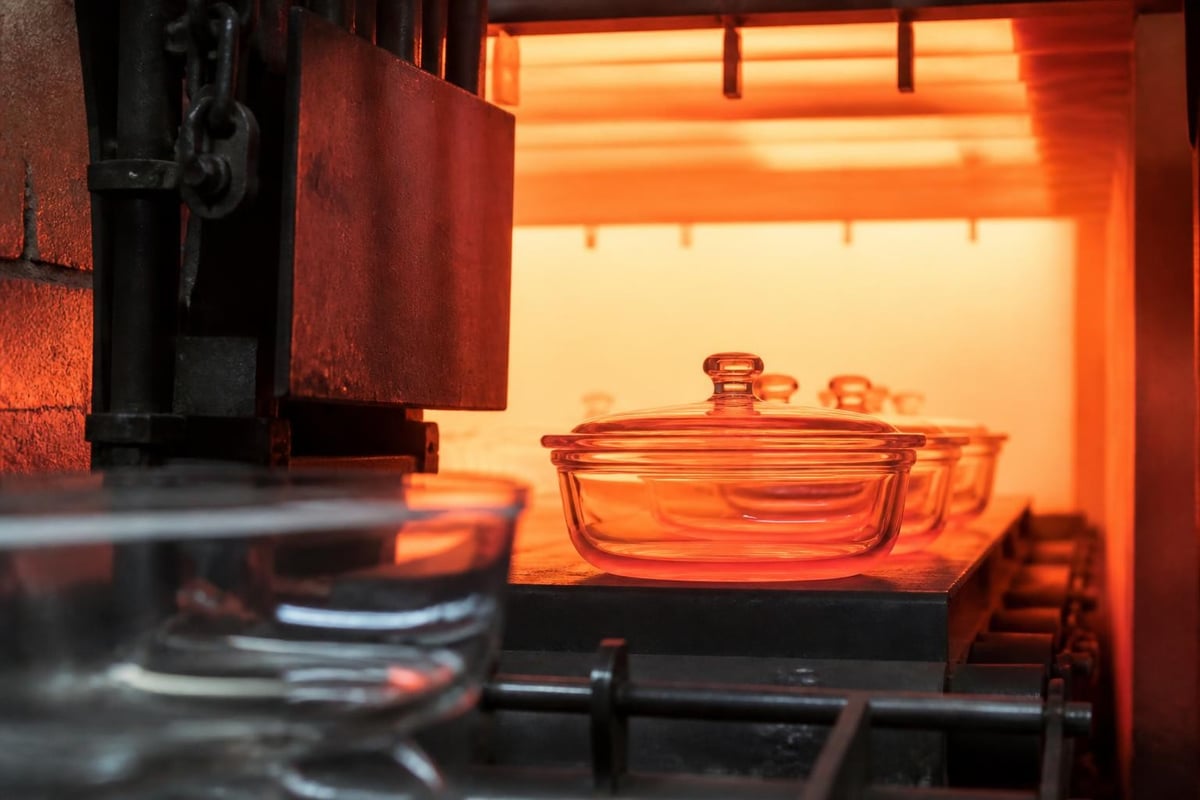
The material's ability to transition from freezer to stovetop without shattering sets it apart from standard glass cookware. This thermal shock resistance stems from the crystalline structure's near-zero coefficient of thermal expansion, meaning the material barely expands or contracts with temperature changes.
How Vision Glass Differs from Other Cookware Materials
Understanding the distinctions between vision cookware glass and alternative materials helps clarify its specific advantages and limitations. Research on glass cookware reveals important differences in thermal stress behavior compared to standard borosilicate or soda-lime glass products.
| Material Type | Thermal Shock Resistance | Visual Transparency | Stovetop Safe | Weight |
|---|---|---|---|---|
| Vision Glass-Ceramic | Excellent | Transparent | Yes | Medium |
| Borosilicate Glass | Good | Transparent | Limited | Light |
| Stainless Steel | Excellent | Opaque | Yes | Heavy |
| Cast Iron | Excellent | Opaque | Yes | Very Heavy |
| Non-stick Aluminum | Good | Opaque | Yes | Light |
The transparent quality provides functional advantages beyond aesthetics. Monitoring rice as it absorbs water, watching vegetables steam to perfect tenderness, or observing sauce reduction happens without heat loss from repeatedly removing lids.
Practical Benefits for Modern Kitchens
Vision cookware glass delivers multiple advantages that align with contemporary cooking priorities, from health-conscious preparation to energy efficiency.
Healthier Cooking Without Chemical Concerns
The non-porous glass-ceramic surface eliminates concerns about chemical leaching that sometimes arise with other cookware materials. No synthetic coatings mean no degradation over time, no flaking, and no questions about chemical safety at high temperatures.
Food prepared in vision cookware glass maintains pure flavor profiles without metallic interference. The inert surface doesn't react with acidic ingredients like tomatoes, citrus, or wine, making it ideal for preparing:
- Long-simmered tomato sauces
- Citrus-based marinades and reductions
- Vinegar-based pickles and preserves
- Wine-braised dishes
- Fermented foods requiring non-reactive vessels
The transparency also encourages mindful cooking practices, allowing you to observe doneness indicators and adjust heat accordingly, potentially reducing overcooking and nutrient loss.
Versatility Across Cooking Methods
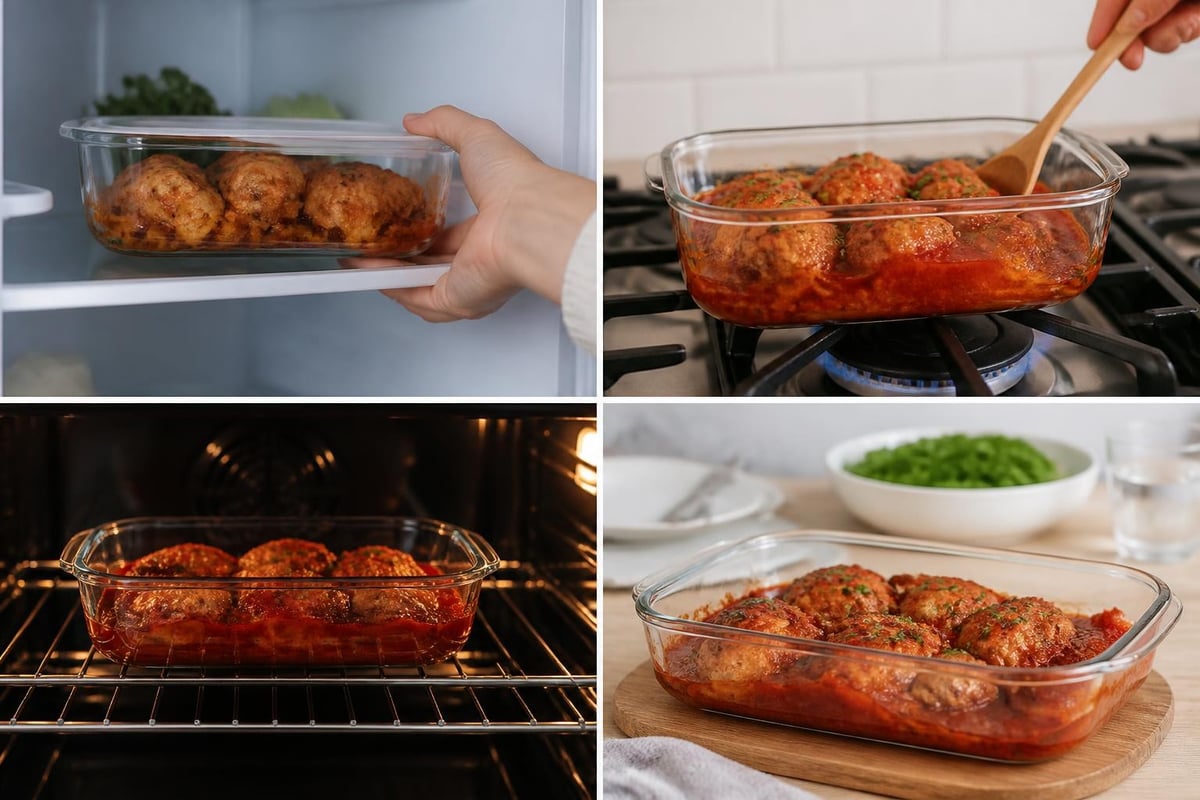
Modern kitchens demand equipment that serves multiple functions, and vision cookware glass excels in adaptability. The same vessel transitions seamlessly from refrigerator storage to stovetop cooking to oven baking.
Approved cooking methods include:
- Direct stovetop cooking (gas, electric coil, radiant)
- Oven baking and roasting up to 500°F
- Microwave reheating and cooking
- Refrigerator and freezer storage
- Serving directly at the table
This versatility reduces the number of dishes required for meal preparation. Prepare a casserole, refrigerate overnight, then cook and serve in the same vessel. The space-saving implications benefit smaller kitchens where storage comes at a premium.
Energy Efficiency and Heat Distribution
The thermal properties of vision cookware glass contribute to energy-efficient cooking. Once heated, the material retains warmth effectively, allowing you to reduce burner settings while maintaining cooking temperatures.
Heat distribution occurs evenly across the cooking surface, minimizing hot spots that can cause scorching. This characteristic proves particularly valuable for:
- Delicate sauces requiring gentle, even heat
- Rice and grain preparation needing consistent temperature
- Slow-simmered soups and stews
- Custards and milk-based dishes prone to burning
The transparent construction also aids energy efficiency by eliminating unnecessary lid removal. Each time you lift a lid, cooking temperature drops approximately 25 degrees, requiring additional energy to recover.
Care and Maintenance Guidelines
Proper maintenance extends the lifespan of vision cookware glass while preserving its clarity and performance characteristics. Understanding both routine care and preventive measures ensures decades of reliable service.
Daily Cleaning and Stain Prevention
The non-porous surface resists staining and odor absorption, but mineral deposits and cooked-on residues require appropriate cleaning approaches. Hand washing with mild detergent typically suffices for routine cleaning, though vision cookware glass tolerates dishwasher cycles.
For stubborn residues:
- Fill with warm water and add baking soda
- Simmer gently for 15-20 minutes
- Allow to cool and scrub with non-abrasive pad
- Rinse thoroughly and dry completely
Hard water deposits may create cloudy films over time. White vinegar soaks restore transparency by dissolving mineral buildup. Avoid abrasive cleaners or metal scouring pads that may create surface scratches, though the material resists scratching better than traditional glass.
Preventing Thermal Shock and Breakage
Despite excellent thermal shock resistance, vision cookware glass requires sensible handling to prevent stress fractures. According to comprehensive cookware testing, understanding material limitations prevents accidents and extends cookware longevity.
Critical safety practices include:
- Never place hot cookware on cold, wet surfaces
- Avoid adding cold liquids to hot, dry pans
- Always use adequate liquid when heating on stovetops
- Preheat gradually rather than applying maximum heat immediately
- Inspect regularly for chips, cracks, or stress marks
Surface damage, even minor chips, compromises structural integrity. Damaged pieces should be retired from stovetop use, though they may continue serving storage functions if the damage doesn't penetrate through the material.
Storage and Organization Tips
Proper storage prevents accidental damage and preserves your investment. Stack vision cookware glass carefully, using protective layers between pieces to prevent scratching and chipping.
| Storage Method | Advantages | Considerations |
|---|---|---|
| Hanging pot racks | Easy access, space-saving | Requires secure mounting |
| Cabinet stacking | Protected from dust | Use pan protectors between pieces |
| Drawer storage | Maximizes vertical space | Ensure stable, level drawers |
| Open shelving | Decorative display | Greater dust exposure |
The transparency makes vision cookware glass attractive for open storage displays. Some kitchen designers incorporate these pieces as visual elements, appreciating the amber hue as both functional cookware and decorative accent.
Selecting the Right Vision Cookware Pieces
Building a functional vision cookware glass collection requires understanding which pieces align with your cooking patterns and kitchen priorities. Strategic selection maximizes utility while managing budget and storage constraints.
Essential Pieces for Different Cooking Styles
Your cooking frequency and preferred recipes guide collection building. Casual cooks need different configurations than daily meal preparers or batch-cooking enthusiasts.
For everyday cooking:
- 2.5-quart covered saucepan for vegetables, grains, and small-batch sauces
- 5-quart covered Dutch oven for soups, stews, and one-pot meals
- 10-inch skillet for sautéing and shallow frying
For specialized cooking:
- 1.5-quart saucepan for warming milk, melting butter, small portions
- 3-quart covered saucepan for pasta, blanching, medium-batch cooking
- Roasting pans for oven-to-table presentations
The transparent quality particularly benefits dishes requiring visual monitoring. Rice cookers appreciate watching water absorption levels. Candy makers monitor syrup color changes. Preserve makers observe setting points.
Evaluating Condition When Buying Vintage
Vision cookware glass production spanned several decades, creating robust secondary markets for vintage pieces. Many home cooks prefer acquiring older inventory through estate sales, thrift stores, or online marketplaces.
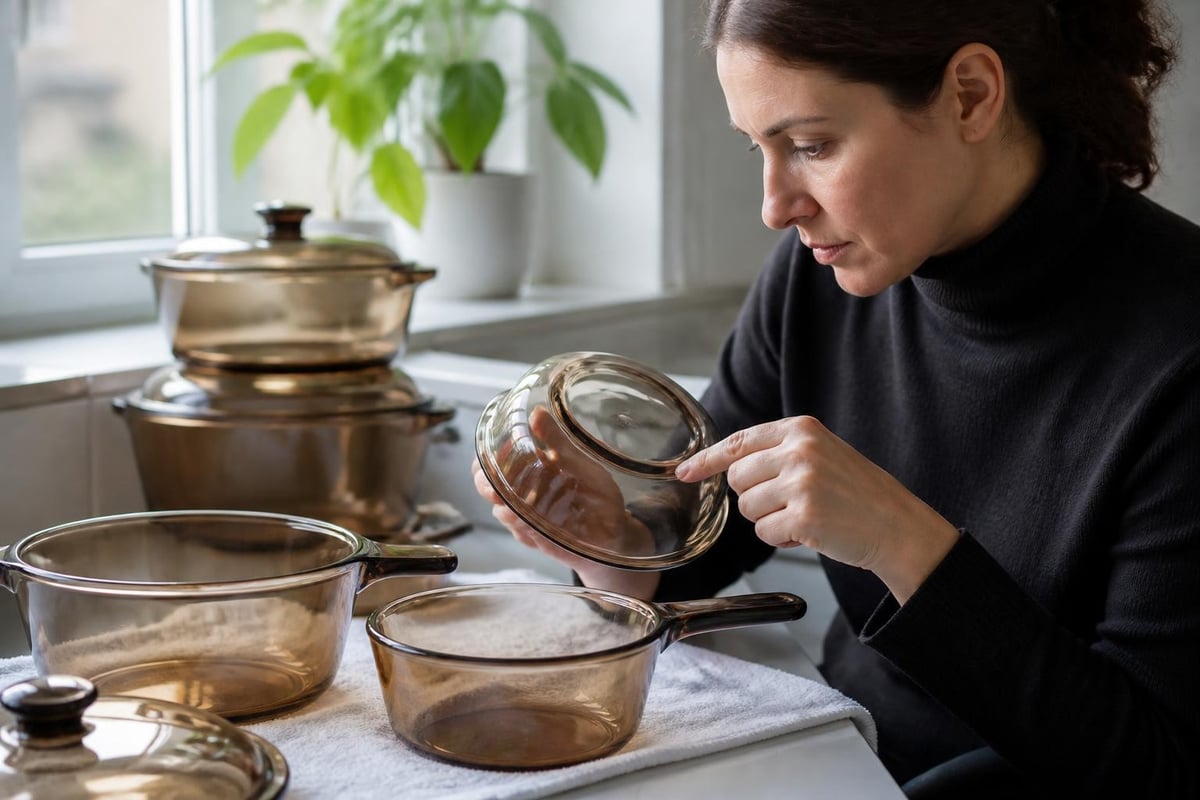
Inspection priorities when evaluating used pieces:
- Check all edges and rims for chips or cracks
- Examine transparency for stress marks or cloudiness
- Verify lid fit and seal integrity
- Test handle stability and attachment points
- Research manufacturing dates through base markings
Pricing for vintage vision cookware glass varies based on condition, rarity, and size. Complete sets with original lids command premium prices, while individual pieces offer budget-friendly entry points.
Compatibility Considerations for Your Cooktop
Modern cooktop technologies require careful compatibility assessment. Vision cookware glass performs well on traditional gas and electric coil burners but presents challenges with certain contemporary cooking surfaces.
Cooktop compatibility:
- Gas ranges: Excellent compatibility, even heat distribution
- Electric coil: Good performance, ensure proper burner size matching
- Radiant electric: Compatible, though requires careful heat management
- Induction: Not compatible without separate induction interface discs
- Halogen: Generally compatible, follow manufacturer guidelines
Induction cooktop owners can still use vision cookware glass with induction converter discs, which create the magnetic field necessary for induction heating. These adapters sit between the cooktop and the glass-ceramic cookware, enabling indirect heating.
Troubleshooting Common Issues
Even with proper care, vision cookware glass users occasionally encounter performance questions or minor complications. Understanding solutions maintains optimal functionality.
Addressing Cloudiness and Discoloration
Cloudiness typically results from mineral deposits rather than material degradation. Hard water areas experience this issue more frequently, as repeated heating concentrates minerals on the cooking surface.
Restoration techniques:
- Vinegar soaks (1 part vinegar to 3 parts water, simmer 20 minutes)
- Baking soda paste application for stubborn spots
- Commercial lime removers for severe buildup
- Preventive use of filtered water in hard water areas
Permanent discoloration inside cooking vessels often indicates food residue carbonization rather than staining. Since the material itself doesn't stain, thorough cleaning typically restores original appearance.
Managing Heat Distribution Challenges
Users transitioning from metal cookware sometimes report uneven heating initially. This perception often stems from different heat transfer characteristics rather than actual performance issues.
Optimization strategies include:
- Matching burner size to pan diameter
- Allowing adequate preheating time
- Using medium heat settings rather than maximum
- Adding thin liquid layers for better heat conductivity
- Stirring periodically during initial heating phase
The thermal mass of vision cookware glass requires slightly longer preheating compared to thin aluminum pans. However, once heated, the material maintains temperature more consistently.
Dealing with Stubborn Food Residue
Stuck-on food challenges glass-ceramic cookware users occasionally. The smooth surface generally releases food readily, but protein-rich dishes or high-sugar foods may bond tenaciously.
| Residue Type | Removal Method | Time Required |
|---|---|---|
| Burnt milk/dairy | Baking soda soak | 2-4 hours |
| Caramelized sugar | Warm water soak | 1-2 hours |
| Protein deposits | Enzyme cleaner | 30 minutes |
| Mineral buildup | Vinegar solution | 20 minutes |
| General staining | Oxygen bleach soak | Overnight |
Patience proves more effective than aggressive scrubbing. Soaking loosens bonds between residue and the cooking surface, allowing gentle removal without risking scratches or surface damage.
Comparing Value Across Cookware Options
Investment decisions benefit from comprehensive value analysis comparing initial costs, longevity, performance characteristics, and maintenance requirements across cookware categories.
Long-Term Cost Considerations
Vision cookware glass presents moderate upfront costs with exceptional longevity. Properly maintained pieces function effectively for decades, unlike non-stick cookware requiring periodic replacement or copper requiring intensive maintenance.
Lifetime cost calculations should factor:
- Initial purchase price per piece
- Expected service life before replacement
- Maintenance product costs
- Energy efficiency during use
- Versatility reducing need for specialized pieces
A 3-quart vision cookware glass saucepan costing $60 and lasting 30 years delivers superior value compared to three $30 non-stick pans requiring replacement every ten years. The calculation shifts further when considering the glass-ceramic vessel's additional functions (storage, microwave, serving).
Performance Trade-offs Worth Considering
No single cookware material excels in every category. Vision cookware glass delivers specific advantages while accepting certain limitations compared to alternatives.
Advantages include transparency, chemical inertness, versatility across cooking methods, and minimal maintenance. Limitations include unsuitability for high-heat searing, incompatibility with induction without adapters, and moderate weight compared to aluminum.
Professional chefs often maintain diverse cookware collections, selecting materials based on specific cooking tasks. Cast iron for searing steaks, stainless steel for deglazing and sauce reduction, and vision cookware glass for gentler cooking methods requiring visual monitoring.
Environmental and Sustainability Factors
Cookware choices carry environmental implications through manufacturing processes, longevity, and end-of-life disposal. Vision cookware glass presents favorable sustainability characteristics worth examining.
Manufacturing Impact and Material Sourcing
Glass-ceramic production requires significant energy for high-temperature processing, though the material's decades-long service life amortizes this initial environmental cost. The inert composition means no toxic chemicals during manufacture or use.
Raw materials primarily consist of abundant silica-based compounds rather than mined metals requiring extensive processing. The manufacturing process generates minimal waste, as production scrap can be recycled back into new batches.
Durability Reducing Replacement Cycles
The environmental advantage of vision cookware glass emerges most clearly in replacement frequency comparisons. Cookware requiring replacement every 5-10 years accumulates manufacturing impacts, transportation emissions, and disposal burdens.
Sustainability benefits include:
- Multi-decade service life reducing manufacturing frequency
- No degrading coatings entering waste streams
- Complete recyclability as glass-ceramic material
- Elimination of packaging waste from frequent replacements
- Energy efficiency during use reducing operational emissions
Vintage vision cookware glass pieces from the 1980s remain fully functional in 2026, demonstrating remarkable longevity. This durability transforms the environmental calculation substantially compared to planned-obsolescence cookware categories.
Repair and Restoration Possibilities
Unlike coated cookware becoming unusable when surfaces degrade, vision cookware glass requires only cleaning and careful handling. Minor scratches don't compromise performance. Surface cloudiness reverses through appropriate cleaning.
The absence of replacement parts (beyond lids) simplifies long-term ownership. Replacement lids remain available through various sources, extending usable life even when original covers break. This serviceability contrasts favorably with integrated designs requiring complete replacement when any component fails.
Vision cookware glass delivers unique advantages through its transparent construction, thermal versatility, and chemical inertness, making it a valuable addition to any well-equipped kitchen. Whether you're monitoring delicate rice dishes, preparing healthy meals without coating concerns, or seeking cookware that transitions seamlessly from storage to cooking to serving, understanding these glass-ceramic pieces helps you maximize their potential. At Kitchenovaplus, we offer carefully selected kitchenware including vision cookware glass options to help you build a functional, versatile kitchen that supports your culinary goals for years to come.
Also in NewsWhether you're looking for practical advice

Professional Cookware: The Complete Guide for 2026

Enamel Cookware: Safety, Performance & Buying Guide

Jamie Oliver Cookware: Quality, Features & Value in 2026
Follow
Sign up to get the latest on sales, new releases and more …
© 2026 Kitchenovaplus.
Powered by Shopify


