
Enamel Cookware: Safety, Performance & Buying Guide
Enamel cookware has earned its place as a kitchen staple for generations, combining the heat retention of cast iron or steel with a smooth, non-reactive cooking surface. This fusion cookware features a glass-based coating fused to metal at extremely high temperatures, creating a durable, versatile option for everything from slow-braised stews to quick sautés. Whether you're considering your first Dutch oven or expanding your collection, understanding the benefits, maintenance requirements, and safety considerations of enameled pieces will help you make informed choices that last decades.
What Makes Enamel Cookware Different
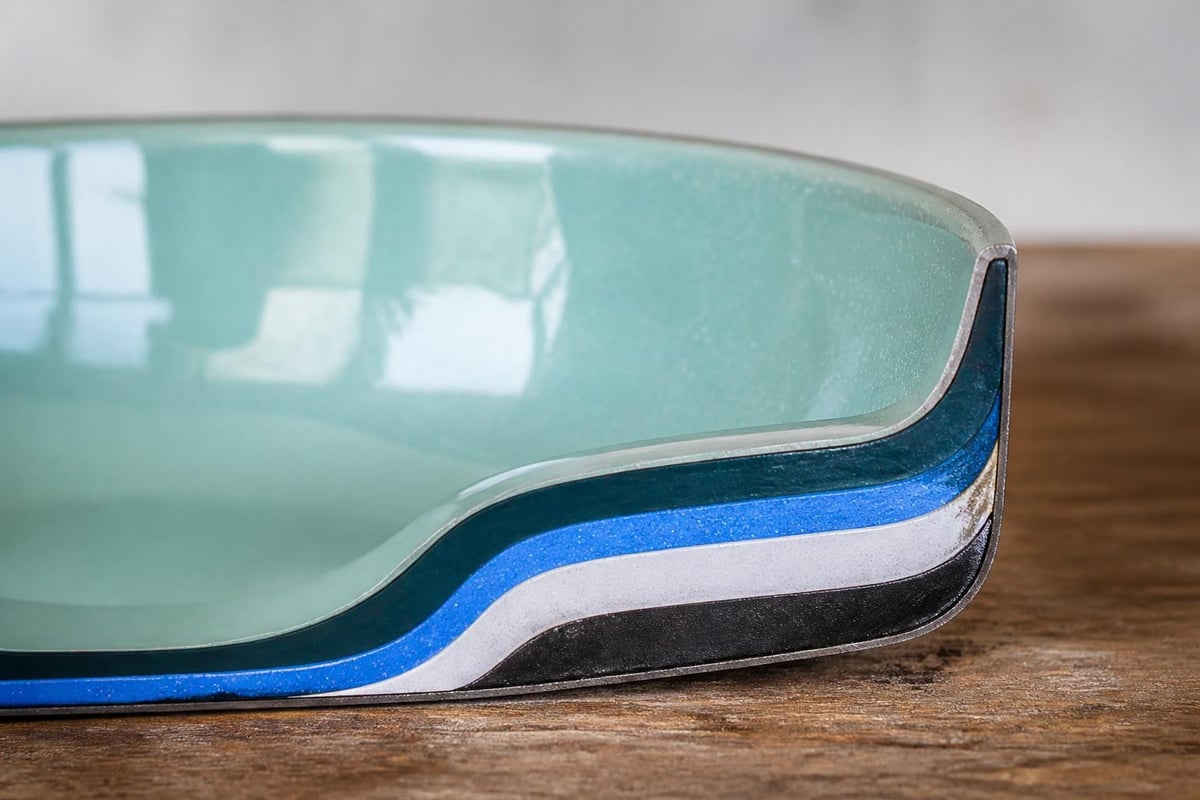
Enamel cookware stands apart from other cooking vessels through its unique construction process. Manufacturers apply powdered glass to cast iron or steel cores, then fire the pieces at temperatures exceeding 1,400°F. This process creates a permanent bond between the metal base and the glass coating, resulting in a surface that resists corrosion, acids, and most kitchen wear.
The glass-based enamel coating transforms traditional cast iron's high-maintenance surface into something far more user-friendly. Unlike bare cast iron, enameled versions require no seasoning, resist rust formation, and clean up with standard dish soap. The coating also eliminates metallic taste transfer, making these pieces ideal for acidic foods like tomato sauces and wine-based braises.
Construction and Material Quality
Quality enamel cookware typically features multiple coating layers. The base layer bonds directly to the metal substrate, while subsequent layers build thickness and color. Premium manufacturers apply three to five layers, with each firing cycle strengthening the overall structure.
Key construction elements include:
- Base metal thickness: Heavier cast iron or steel cores provide better heat retention
- Enamel layer count: Multiple layers increase durability and chip resistance
- Edge finishing: Smooth, rounded edges prevent chipping during storage
- Handle integration: Properly secured handles withstand oven temperatures
Safety Considerations for Enamel Cookware
Understanding the safety profile of enamel cookware helps consumers make informed purchasing decisions. Modern manufacturing has largely addressed historical concerns about heavy metal contamination, though vigilance remains important. Health Canada provides guidance on safe cookware use, noting that decorative glazes on older pieces may contain problematic elements.
Contemporary enamel cookware from reputable manufacturers undergoes rigorous testing for food safety. The European Food Safety Authority monitors metals as contaminants in food-contact materials, establishing strict limits on lead and cadmium migration. These regulatory frameworks ensure that properly manufactured enamel coatings present minimal risk during normal use.
Heavy Metal Leaching Concerns
Research into metal leaching from cookware surfaces provides valuable data for safety-conscious consumers. A comprehensive review published in scientific literature examined metal migration across various cookware types, including enameled vessels. The findings indicate that high-quality enamel cookware manufactured according to current standards shows negligible heavy metal release during cooking.
Older or damaged enamel pieces warrant more caution. Chips, cracks, or crazing in the enamel coating can expose the underlying metal or potentially contaminated enamel layers. If your cookware shows significant wear, replacement becomes the safest option.
| Safety Factor | Modern Enamel | Vintage/Damaged Enamel |
|---|---|---|
| Lead content | Compliant with regulations | May exceed safe limits |
| Cadmium levels | Minimal to none | Potentially present |
| Coating integrity | Intact, non-reactive | Compromised, may expose metal |
| Recommended use | Safe for all foods | Avoid or test first |
Performance Characteristics
Enamel cookware excels in specific cooking applications while showing limitations in others. Understanding these performance characteristics helps match the right piece to your cooking style.
The combination of heavy metal cores and glass coatings creates excellent heat retention. Once heated, these pieces maintain steady temperatures ideal for braising, stewing, and baking. The thermal mass prevents rapid temperature fluctuations when adding cold ingredients, a significant advantage for recipes requiring consistent heat.
Heat Distribution and Retention
Cast iron enameled cookware heats somewhat unevenly on stovetops compared to aluminum or copper alternatives. The metal conducts heat more slowly, creating hot spots directly above burners. However, this same property becomes an asset in the oven, where heat surrounds the vessel uniformly.
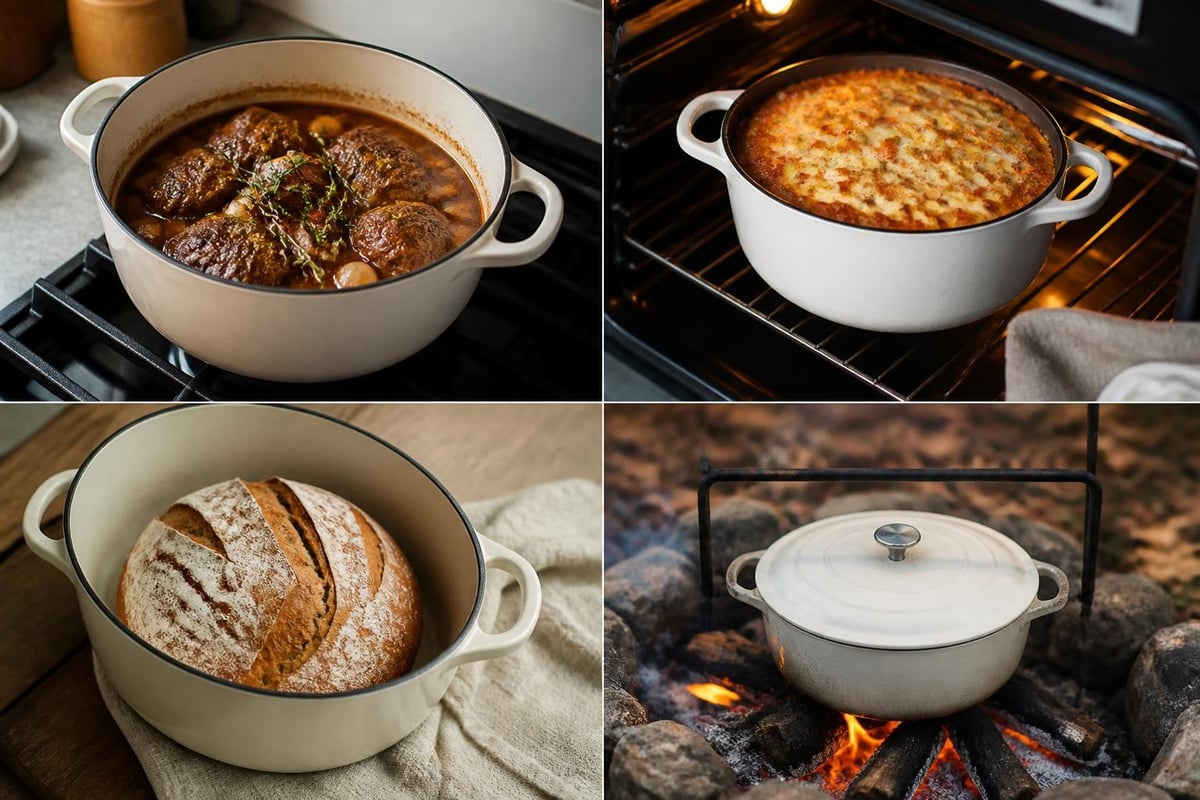
Optimal cooking methods include:
- Low-and-slow braising where steady heat breaks down tough cuts
- Oven roasting utilizing even all-around heating
- Soup and stock preparation benefiting from capacity and heat retention
- No-knead bread baking leveraging thermal mass for crispy crusts
- One-pot meals combining stovetop searing with oven finishing
The non-reactive enamel surface handles acidic ingredients without imparting metallic flavors. Tomato-based sauces, citrus marinades, and wine reductions maintain their intended taste profiles. This versatility makes enameled Dutch ovens particularly valuable for diverse recipe collections.
Maintenance and Care Requirements
Proper maintenance extends the functional life of enamel cookware significantly. While these pieces require less fussing than bare cast iron, following manufacturer guidelines prevents premature wear and damage.
The glass coating resists most staining but can develop discoloration from high-heat cooking or certain foods. Light-colored interiors may show brown marks from searing or baking, though these affect appearance rather than performance. Baking soda paste or specialized cleaners remove most stubborn stains without damaging the enamel.
Cleaning Best Practices
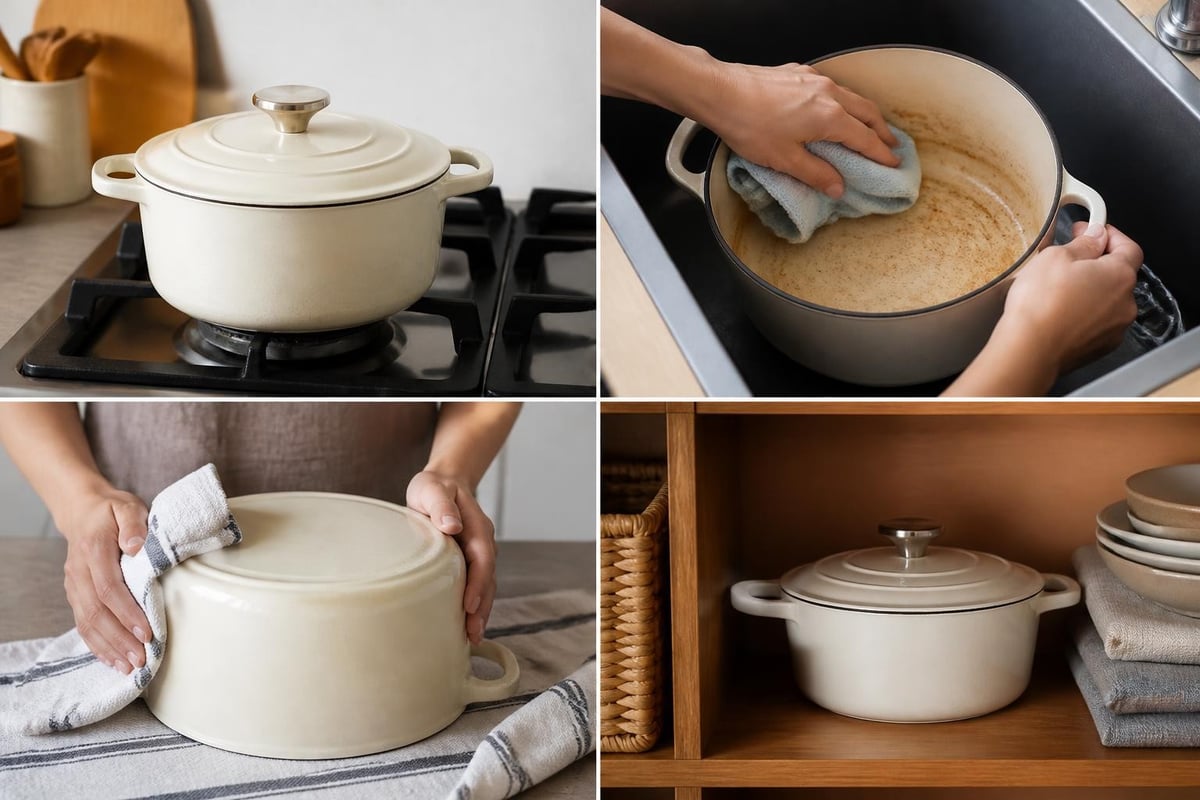
Hand washing with warm soapy water suits enamel cookware best, even when manufacturers claim dishwasher safety. The harsh detergents and high temperatures in dishwashers can dull the exterior finish over time. For baked-on food, soaking overnight loosens residue without aggressive scrubbing.
- Use wooden, silicone, or nylon utensils to prevent surface scratching
- Avoid metal scouring pads that can damage the enamel coating
- Let pieces cool before washing to prevent thermal shock
- Dry thoroughly before storage to prevent rim rust on exposed edges
- Store carefully with padding between nested pieces
Temperature Shock Prevention
Enamel coatings can crack from sudden temperature changes. Never place a hot pot directly under cold water or onto frozen surfaces. Similarly, avoid heating empty vessels or adding cold liquids to extremely hot pans. These practices create thermal stress that can fracture the glass coating, leading to chips and cracks.
Selecting Quality Enamel Cookware
The market offers enamel cookware at vastly different price points, reflecting variations in manufacturing quality, materials, and brand reputation. Identifying markers of superior construction helps justify investment in pieces that perform reliably for decades.
Weight serves as an initial quality indicator. Heavier pieces typically feature thicker metal cores and more substantial enamel coatings. Lift and compare similar-sized pieces from different manufacturers to gauge relative heft. The substantial weight contributes to superior heat retention and overall durability.
Visual Quality Markers
Examine the enamel coating closely before purchasing. High-quality pieces show smooth, even coverage without bubbles, pits, or thin spots. The interior cooking surface should appear uniform in color and texture. Edges and rims deserve special attention, as these areas experience the most stress during manufacturing and use.
| Feature | Premium Quality | Budget Quality |
|---|---|---|
| Enamel smoothness | Glass-like finish | Visible texture/dimples |
| Color consistency | Uniform throughout | Variations, thin spots |
| Base thickness | 4-6mm cast iron | 2-3mm steel or thin iron |
| Handle attachment | Through-bolted or integral | Welded or spot-attached |
| Warranty coverage | Lifetime or 30+ years | Limited or 1-5 years |
Independent testing by organizations like Consumer Reports provides objective performance data. Their evaluations assess heat distribution, handles safety, and coating durability under standardized conditions. Consulting these resources before purchasing expensive pieces reduces the risk of disappointment.
Environmental and Manufacturing Aspects
The production of enamel cookware involves energy-intensive processes with environmental considerations. Understanding these factors provides context for pricing and sustainability claims. The EPA has documented porcelain enameling processes, outlining industrial standards and environmental controls manufacturers must follow.
Traditional enameling requires firing at extreme temperatures, consuming significant energy. However, the resulting products offer exceptional longevity compared to non-stick alternatives requiring replacement every few years. This durability offsets initial production impacts when pieces remain functional for decades rather than years.
Sustainability Considerations
Quality enamel cookware represents a buy-it-for-life approach to kitchen equipment. A single well-made Dutch oven can outlast a dozen cheaper alternatives, reducing overall resource consumption and landfill waste. The absence of synthetic non-stick coatings eliminates concerns about PFAS compounds and similar chemicals.
Repairability varies by manufacturer. Some premium brands offer re-enameling services for damaged pieces, though costs may approach new item prices. More commonly, chips and cracks signal end-of-life, with recycling options limited by the bonded metal-glass construction.
Common Applications and Recipe Types
Enamel cookware shines in specific culinary applications where its unique properties provide distinct advantages. Recognizing these ideal use cases helps home cooks maximize their investment.
Braising and slow cooking: The heavy construction and tight-fitting lids create ideal conditions for breaking down tough cuts of meat. Low oven temperatures maintained over hours transform inexpensive proteins into tender, flavorful dishes. The non-reactive surface preserves the delicate balance of wine, stock, and aromatics.
Bread baking: Dutch ovens mimic professional steam-injection ovens for home bakers. The enclosed environment traps moisture released from dough, creating the steam necessary for dramatic oven spring and crispy crusts. Preheating the covered pot generates intense heat that sets the crust immediately.
Versatility Across Cooking Methods
- Stovetop searing: Develop deep caramelization on proteins before oven braising
- Deep frying: Maintain stable oil temperatures with excellent heat retention
- Baking casseroles: Even heat distribution prevents scorched edges
- Outdoor cooking: Campfire and grill compatibility for adventure cooking
- Serving: Attractive exteriors transition from oven to table
Size and Shape Selection Guide
Choosing appropriate sizes and shapes maximizes utility while avoiding redundancy. Most home cooks benefit from two or three strategically selected pieces rather than complete sets.
The 5.5 to 7-quart Dutch oven serves as the foundational piece for most households. This capacity handles whole chickens, large batches of soup, and standard bread recipes without excess bulk. Smaller households may prefer 4-quart options, while large families cooking for gatherings benefit from 9-quart or larger vessels.
Specialized Shapes and Functions
Beyond standard round Dutch ovens, several specialized shapes address specific needs:
- Oval designs accommodate whole fish, roasts, and baguette-length items
- Braiser pans with wide, shallow profiles suit dishes requiring surface area
- Grill pans featuring raised ridges create sear marks on meats and vegetables
- Sauce pans in 2-4 quart sizes handle everyday stovetop tasks
Budget-conscious buyers should prioritize versatile round Dutch ovens before adding specialized pieces. The most-used size in your kitchen depends on typical serving quantities and recipe preferences, making one-size-fits-all recommendations impractical.
Price Versus Value Analysis
Enamel cookware pricing spans from under fifty dollars to several hundred for comparable sizes. Understanding what drives these cost differences helps determine appropriate spending levels for individual needs and cooking frequency.
Premium brands command higher prices through superior materials, extensive quality control, and generous warranties. The thicker enamel coatings resist chipping better, while heavier base metals improve heat retention. These manufacturers typically source materials domestically and maintain stricter environmental standards during production.
Mid-range options from reputable manufacturers often provide excellent value for regular home use. These pieces utilize thinner but adequate enamel layers and slightly lighter cores. Performance differences become noticeable primarily to experienced cooks during demanding applications.
Warranty and Longevity Factors
Warranty terms signal manufacturer confidence in product durability. Lifetime guarantees against manufacturing defects indicate substantial construction quality, though they typically exclude damage from misuse, dropping, or thermal shock. Limited warranties of five to ten years suggest mid-tier positioning with acceptable but not exceptional durability expectations.
| Price Tier | Typical Warranty | Expected Lifespan | Best For |
|---|---|---|---|
| Premium ($200-400) | Lifetime | 30+ years | Daily use, serious cooks |
| Mid-range ($80-180) | 10-25 years | 15-25 years | Regular home cooking |
| Budget ($40-75) | 1-5 years | 5-10 years | Occasional use, testing preferences |
Color and Aesthetic Considerations
While functionality drives purchasing decisions for many cooks, the aesthetic appeal of enamel cookware contributes to its enduring popularity. Vibrant exterior colors and attractive designs make these pieces suitable for stovetop-to-table serving.
Color selection impacts more than appearance. Lighter interior colors show food browning more clearly but display staining more prominently. Dark interiors hide discoloration better but make monitoring caramelization slightly more difficult. Matte black interiors have gained popularity for their ability to hide use marks while still providing adequate visibility.
Exterior color choices range from classic neutrals to bold jewel tones. Consider existing kitchen color schemes and personal preferences, remembering that these pieces often remain visible on stovetops or pot racks. Trendy colors may feel dated in future years, while classic options maintain timeless appeal.
Comparing Enamel to Other Cookware Types
Understanding how enamel cookware compares to alternatives helps determine optimal kitchen combinations. No single cookware type excels across all applications, making strategic variety beneficial.
Versus stainless steel: Enamel provides superior heat retention but less responsive temperature control. Stainless steel heats and cools faster, offering better precision for techniques requiring rapid adjustments. Both resist acidic foods, though enamel requires gentler cleaning.
Versus bare cast iron: Enamel eliminates seasoning maintenance and rust concerns while sacrificing the ability to achieve truly non-stick surfaces through proper seasoning. Bare cast iron develops better searing surfaces but reacts with acidic ingredients.
Versus non-stick: Traditional non-stick coatings provide easier food release but cannot withstand high temperatures or metal utensils. Enamel handles higher heat and more aggressive cooking but requires fat for preventing sticking. Non-stick coatings degrade over time, while enamel maintains performance for decades.
Troubleshooting Common Issues
Even properly maintained enamel cookware occasionally presents challenges. Recognizing and addressing common problems prevents minor issues from escalating.
Staining and discoloration: Brown or gray marks on light interiors result from high-heat cooking or mineral deposits. These rarely affect performance. Boiling water with baking soda often lifts stubborn stains, while commercial cleaners designed for enamel provide stronger solutions when needed.
Food sticking: Despite the smooth surface, enamel requires adequate fat for preventing adhesion during high-heat cooking. Preheating pieces gradually and ensuring sufficient oil or butter before adding ingredients reduces sticking. Deglazing stuck-on bits with liquid while still warm simplifies cleanup.
Handle loosening: Repeated thermal cycling occasionally loosens handle attachments. Tightening visible screws addresses this issue with screw-attached handles. Integral cast handles rarely present problems but cannot be repaired if damaged.
Minor chips: Small chips along rims or edges don't necessarily mandate replacement. If the chip doesn't expose bare metal and remains small (under 1/4 inch), continued use poses minimal risk. Monitor chips for expansion and avoid cooking highly acidic foods in compromised vessels.
Selecting the right enamel cookware involves balancing performance needs, budget constraints, and aesthetic preferences while prioritizing safety and durability. Quality pieces from reputable manufacturers provide decades of reliable service across diverse cooking applications, making them valuable investments for serious home cooks. At Kitchenovaplus, we curate premium kitchenware selections to help you build a collection that performs beautifully today and lasts for generations, bringing professional-quality results to your home kitchen.
Also in NewsWhether you're looking for practical advice

Professional Cookware: The Complete Guide for 2026

Jamie Oliver Cookware: Quality, Features & Value in 2026

Cookware Pots: Complete Guide to Choosing the Best
Follow
Sign up to get the latest on sales, new releases and more …
© 2026 Kitchenovaplus.
Powered by Shopify


