
Jamie Oliver Cookware: Quality, Features & Value in 2026
The celebrity chef cookware market has exploded in recent years, with household names lending their brands to kitchen equipment promising restaurant-quality results at home. Jamie Oliver cookware stands among the most recognizable of these celebrity-endorsed lines, combining the British chef's culinary reputation with accessible price points aimed at home cooks. For shoppers evaluating whether these pans and pots deliver genuine value or simply capitalize on brand recognition, understanding the materials, manufacturing standards, and real-world performance becomes essential. This comprehensive analysis examines what sets Jamie Oliver cookware apart, where it compares to competitors, and how to make an informed purchasing decision in 2026.
Understanding the Jamie Oliver Cookware Range
Jamie Oliver cookware encompasses several distinct collections, each targeting different cooking needs and budgets. The product line includes nonstick frying pans, stainless steel saucepans, hard-anodized stockpots, and specialty items like woks and roasting tins.
The brand positions itself in the mid-market segment, offering more features than budget supermarket lines while remaining significantly cheaper than premium European brands. Most collections feature aluminum cores for heat distribution, with variations in exterior finishes and nonstick coating technologies.
Material Composition and Construction
The majority of jamie oliver cookware utilizes hard-anodized aluminum as the base material. This electrochemical process hardens the aluminum surface, making it more durable and scratch-resistant than standard aluminum while maintaining excellent heat conductivity.
Key construction features include:
- Tri-ply bases on select stainless steel pieces (stainless-aluminum-stainless sandwich)
- PFOA-free nonstick coatings on nonstick collections
- Riveted handles on most pan ranges for durability
- Tempered glass lids with steam vents on covered pieces
According to the Jamie Oliver Group Social Impact Report, the brand has committed to using recycled aluminum content in newer production runs and eliminating certain chemical treatments from manufacturing processes. However, specific percentages and timeline commitments vary by collection and manufacturing partner.
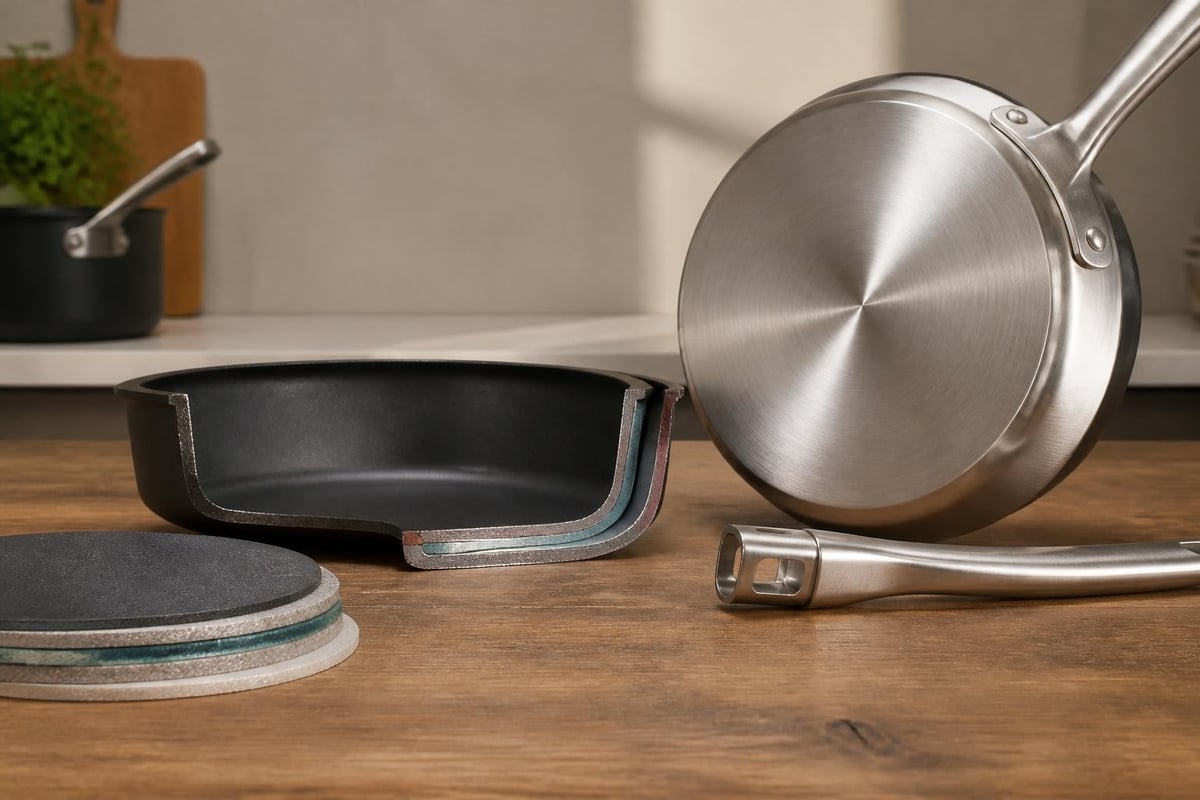
The heat distribution performance depends heavily on base thickness and construction method. Thinner single-layer pans exhibit more hot spots compared to multi-ply designs, a trade-off consumers should weigh against price considerations.
Nonstick Technology and Safety Considerations
Nonstick cookware remains the most popular category within the Jamie Oliver range, marketed for easy food release and simple cleanup. Understanding what these coatings contain matters for both performance and health considerations.
PFAS and Chemical Safety
Modern nonstick coatings have undergone significant reformulation since earlier generations that contained PFOA (perfluorooctanoic acid). Jamie Oliver cookware marketing emphasizes PFOA-free status across nonstick lines.
However, "PFOA-free" does not necessarily mean completely free from all per- and polyfluoroalkyl substances (PFAS). As the European Food Safety Authority notes in their PFAS overview, many replacement chemistries still fall within the broader PFAS family of compounds, raising ongoing questions about long-term exposure and environmental persistence.
Consumer Reports has investigated nontoxic cookware claims, finding that marketing terminology often lacks standardization and independent verification. Shoppers concerned about chemical exposure should look beyond marketing claims to third-party testing certifications or opt for ceramic nonstick alternatives and stainless steel.
| Coating Type | Food Release | Durability | Chemical Concerns | Heat Limit |
|---|---|---|---|---|
| PTFE (PFOA-free) | Excellent | Good (2-5 years) | Some PFAS present | 260°C/500°F |
| Ceramic | Very Good | Fair (1-3 years) | Generally PFAS-free | 230°C/450°F |
| Stainless (uncoated) | Poor (requires fat) | Excellent (10+ years) | None | Very high |
Care and Longevity of Nonstick Surfaces
Proper maintenance significantly extends nonstick coating lifespan. BBC Good Food's guide to caring for nonstick cookware emphasizes several critical practices:
- Avoid metal utensils that scratch coatings
- Hand wash rather than dishwashing (even if labeled dishwasher-safe)
- Use low to medium heat to prevent polymer degradation
- Never preheat empty pans to extreme temperatures
- Apply thin oil coating before storage to prevent drying
Even with careful use, nonstick coatings on mid-priced cookware typically require replacement every three to five years as food begins sticking and the surface shows visible wear.
Stainless Steel and Alternative Collections
Beyond nonstick options, jamie oliver cookware includes stainless steel collections aimed at cooks seeking durability and high-heat capability. These pieces suit techniques like searing, deglazing, and building fond-tasks where nonstick coatings underperform.
Performance Characteristics of Stainless Options
Stainless steel cookware demands different techniques than nonstick. Food sticks initially but releases when properly seared, and the fond created provides flavor foundations for pan sauces.
The Jamie Oliver stainless range typically features:
- 18/10 stainless steel cooking surface (18% chromium, 10% nickel)
- Encapsulated aluminum bases for heat distribution
- Induction compatibility across most pieces
- Oven-safe construction up to specified temperatures (usually 180-200°C)
Heat responsiveness and distribution quality vary based on base construction. Full tri-ply construction (where the aluminum core extends up the sides) outperforms disc-base designs (aluminum only in the bottom), though at higher cost.
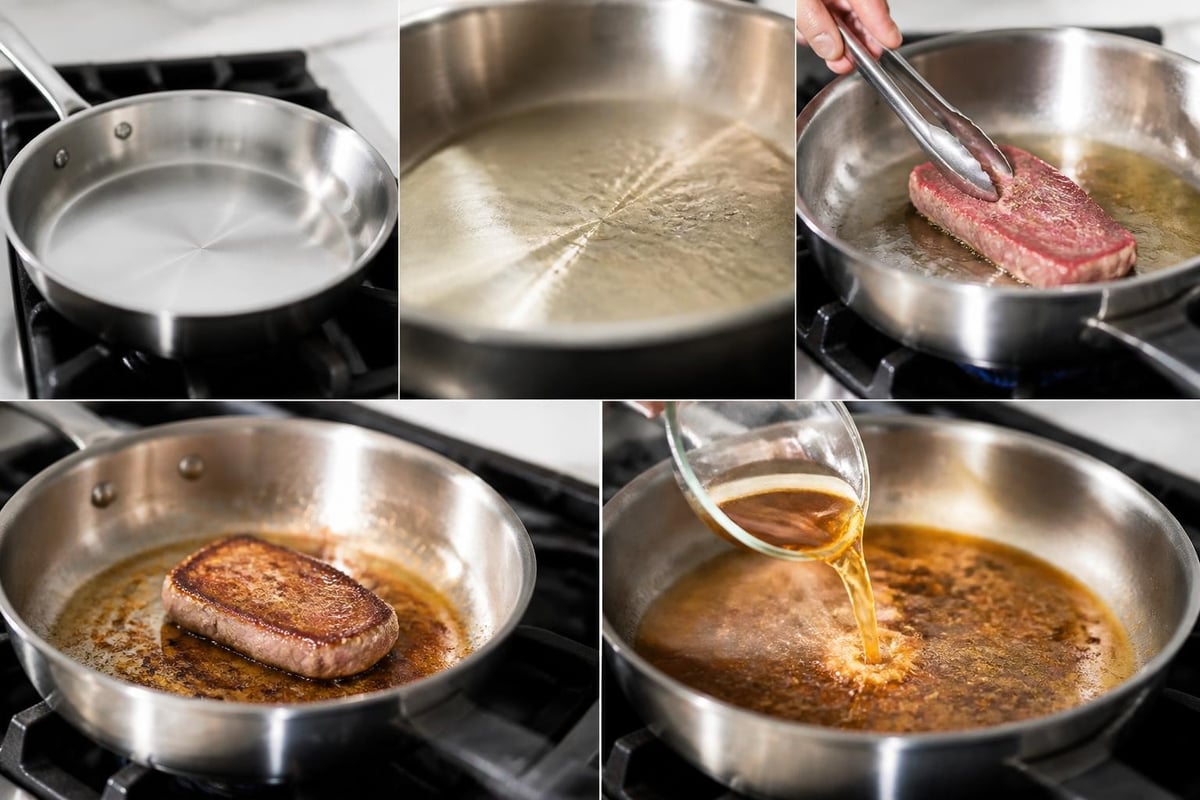
The Guardian's chef perspectives on pan materials highlight that professional cooks often prefer stainless for versatility despite the learning curve, particularly valuing browning capability and metal utensil compatibility.
Standards Compliance and Quality Assurance
Cookware sold in UK and European markets must meet specific safety and performance standards. Understanding these requirements helps contextualize quality claims.
Regulatory Framework
GOV.UK guidance on designated standards explains how British and European standards (BS EN specifications) establish baseline safety requirements for consumer products including cookware.
Relevant standards address:
- Handle strength and attachment (resistance to pulling force)
- Thermal shock resistance (withstanding temperature changes)
- Materials safety (migration of substances into food)
- Stability testing (tipping resistance when filled)
- Labeling accuracy (oven-safe temperatures, capacity markings)
Jamie Oliver cookware, like all legally sold cookware in the UK, should comply with applicable standards. However, meeting minimum standards differs from exceeding them, and certification marks (if present) indicate third-party verification rather than manufacturer self-certification.
Value Assessment and Competitive Positioning
Determining whether jamie oliver cookware represents good value requires comparing price, features, and expected lifespan against alternatives in similar price brackets.
Price-to-Performance Analysis
Jamie Oliver cookware typically retails at mid-market pricing:
- Nonstick frying pans: £25-£45 depending on size
- Stainless saucepans: £35-£60 for individual pieces
- Cookware sets: £100-£250 for 5-9 piece collections
| Feature | Jamie Oliver | Budget Supermarket | Premium European |
|---|---|---|---|
| Typical pan price | £30-£40 | £15-£25 | £80-£150 |
| Base construction | Hard-anodized aluminum | Thin pressed aluminum | Multi-ply stainless |
| Expected lifespan | 3-5 years | 1-3 years | 10-20+ years |
| Warranty | 1-2 years typical | Often none | Lifetime common |
| Heat distribution | Good | Fair | Excellent |
The brand competes directly with other celebrity and lifestyle cookware lines rather than either budget basics or professional-grade equipment. Consumer Reports' cookware buying guide suggests evaluating cookware based on actual construction and testing results rather than brand endorsements, noting significant performance variation exists even within the same brand's product line.
When Jamie Oliver Cookware Makes Sense
This cookware suits specific buyer profiles:
- Upgrading from basic supermarket pans but not ready for premium investment
- Gift purchasers seeking recognizable brand names
- Casual cooks prioritizing ease of use over longevity
- Renters or temporary situations where investment pieces aren't practical
- **Those who prefer nonstick for low-fat cooking and cleanup convenience
Conversely, serious home cooks planning decades of use, those with induction cooktops requiring optimal compatibility, or anyone concerned about chemical exposure may find better long-term value in alternative materials and brands.
Practical Selection Guidance
Choosing the right pieces from the jamie oliver cookware range involves matching construction type to intended cooking techniques and frequency of use.
Building a Functional Collection
Rather than purchasing complete sets that include rarely-used pieces, consider assembling essentials:
- 10-inch nonstick frying pan for eggs, delicate fish, and quick sautés
- 12-inch stainless steel skillet for searing, browning, and high-heat cooking
- 3-quart stainless saucepan with lid for sauces, grains, and vegetables
- 6-8 quart stockpot for pasta, stocks, and batch cooking
- Cast iron or enameled cast iron skillet (from any brand) for oven-to-table dishes
This approach avoids duplication and allows mixing Jamie Oliver pieces with complementary items from other brands based on each category's strengths.
Heat Source Compatibility
Verify compatibility with your cooktop before purchasing:
- Gas: All Jamie Oliver cookware works on gas burners
- Electric coil/radiant: Compatible across all ranges
- Induction: Check specific product listings; newer collections generally feature induction bases, but older nonstick lines may not
- Halogen: Compatible with induction-ready pieces
Base construction quality matters more on electric and induction cooktops, where uneven bases create poor contact and hot spots. Warped pans-a common issue with thinner aluminum construction after repeated heating-particularly underperform on flat cooktops.
Maintenance and Long-Term Care
Maximizing jamie oliver cookware lifespan requires understanding material-specific care requirements and avoiding common mistakes that accelerate wear.
Daily Care Best Practices
Different materials demand different approaches:
For nonstick pieces:
- Cool pans before washing to prevent thermal shock
- Use soft sponges; avoid abrasive scrubbers
- Dry thoroughly and store carefully to prevent scratching
- Season occasionally with thin oil layer
For stainless steel:
- Soak stuck-on food rather than scrubbing aggressively
- Use Bar Keeper's Friend or baking soda paste for discoloration
- Dry immediately to prevent water spots
- Polish occasionally with stainless steel cleaner
General guidelines:
- Store pans with pan protectors or nested carefully
- Replace pieces when nonstick coatings visibly deteriorate
- Tighten riveted handles if they become loose
- Check manufacturer guidance for oven-safe temperature limits
Common Damage and Prevention
Understanding failure modes helps prevent premature replacement:
| Damage Type | Cause | Prevention |
|---|---|---|
| Warped base | Thermal shock (hot pan, cold water) | Cool gradually before washing |
| Coating degradation | Overheating, metal utensils | Use wood/silicone tools, medium heat |
| Handle loosening | Repeated thermal expansion | Check and tighten rivets periodically |
| Discoloration | High heat, burnt food | Clean promptly, avoid extreme temperatures |
Nonstick coating failure represents normal wear rather than defect, typically falling outside warranty coverage unless occurring within the first year.
Sustainability and Environmental Considerations
Modern consumers increasingly weigh environmental impact alongside performance and price. The jamie oliver cookware brand has made sustainability claims worth examining in detail.
Material Sourcing and Manufacturing
The Jamie Oliver Group Social Impact Report outlines commitments to incorporating recycled materials and reducing packaging waste. Specific initiatives mentioned include:
- Increasing recycled aluminum content in cookware production
- Reducing plastic packaging components
- Working with manufacturing partners on energy efficiency
- Exploring coating alternatives with lower environmental persistence
However, the report acknowledges these remain works in progress rather than fully implemented across all product lines. Transparency about specific percentages, timelines, and independent verification would strengthen these claims.
End-of-Life Considerations
Most jamie oliver cookware contains mixed materials that complicate recycling:
- Aluminum bodies are recyclable if separated from handles and coatings
- Nonstick coatings contain persistent chemicals and typically aren't recyclable
- Plastic handles and components may not be accepted in all recycling programs
- Stainless steel is highly recyclable when separated from other materials
Few municipal programs accept cookware in curbside recycling. Specialty metal recyclers may accept separated components, but the disassembly process deters most consumers. This reality means most worn-out pans end in landfills, where PFAS-containing coatings raise environmental persistence concerns.
Durable cookware that lasts decades inherently offers better environmental value than pieces requiring replacement every few years, regardless of recycled content percentages.
Making the Purchase Decision
Synthesizing all these factors, shoppers should approach jamie oliver cookware as a reasonable mid-market option rather than either a budget bargain or premium investment.
Key Decision Factors
Prioritize these considerations in your evaluation:
Must-have criteria:
- Heat source compatibility (especially for induction users)
- Handle comfort and oven-safe temperature for your cooking style
- Coating type aligned with your chemical exposure comfort level
- Realistic expectations about replacement timeline
Nice-to-have features:
- Specific size options matching your household needs
- Aesthetic preference for exterior finishes
- Brand reputation for warranty service and replacement part availability
- Dishwasher safety (though hand washing extends life regardless)
Red flags:
- Unusually thin or lightweight construction for the price
- Missing information about oven-safe temperatures or coating composition
- Absence of warranty coverage
- Vague or unsubstantiated sustainability claims
Compare specific models against alternatives at similar price points, reading professional testing results and verified user reviews rather than relying solely on brand marketing.
Where Jamie Oliver Cookware Excels
The brand genuinely succeeds in several areas:
- Accessibility: Widely available through major retailers with frequent promotional pricing
- Design: Attractive styling that works across kitchen aesthetics
- Beginner-friendly: Nonstick options reduce learning curve for new cooks
- Incremental upgrade: Noticeable improvement over basic supermarket pans without premium pricing
These strengths matter to a substantial segment of home cooks, explaining the brand's sustained market presence despite competition from both cheaper and more expensive alternatives.
Limitations to Acknowledge
Honest assessment also requires recognizing shortcomings:
- Limited longevity compared to investment-grade cookware
- Mid-tier performance that won't satisfy demanding home cooks
- Variable quality across different collections and manufacturing batches
- Marketing premium for celebrity endorsement built into pricing
Understanding these trade-offs helps set appropriate expectations and prevents disappointment when pieces don't perform like professional equipment costing three to five times more.
Jamie Oliver cookware occupies a legitimate space in the mid-market segment, offering meaningful upgrades over basic options while remaining accessible to budget-conscious shoppers. Whether these pans suit your needs depends on cooking frequency, technique preferences, and quality expectations. At Kitchenovaplus, we carry a curated selection of cookware across all price points and materials, helping you find the right balance of performance, durability, and value for your kitchen. Explore our full range and expert guidance at Kitchenovaplus to make your next cookware purchase with confidence.
Also in NewsWhether you're looking for practical advice

Professional Cookware: The Complete Guide for 2026

Enamel Cookware: Safety, Performance & Buying Guide

Cookware Pots: Complete Guide to Choosing the Best
Follow
Sign up to get the latest on sales, new releases and more …
© 2026 Kitchenovaplus.
Powered by Shopify


