
Spanish Cookware: Essential Guide for Authentic Cooking
Spanish cookware represents centuries of culinary tradition, combining form and function to create tools that define Mediterranean cooking. From the iconic paella pan to rustic clay cazuelas, these pieces aren't just kitchen equipment but cultural artifacts that shape how food tastes and how communities gather. Understanding the heritage, materials, and proper use of traditional Spanish cookware allows home cooks and professional chefs to unlock authentic flavors while connecting to time-honored cooking methods that have sustained Spanish cuisine for generations.
The Rich History Behind Spanish Cookware
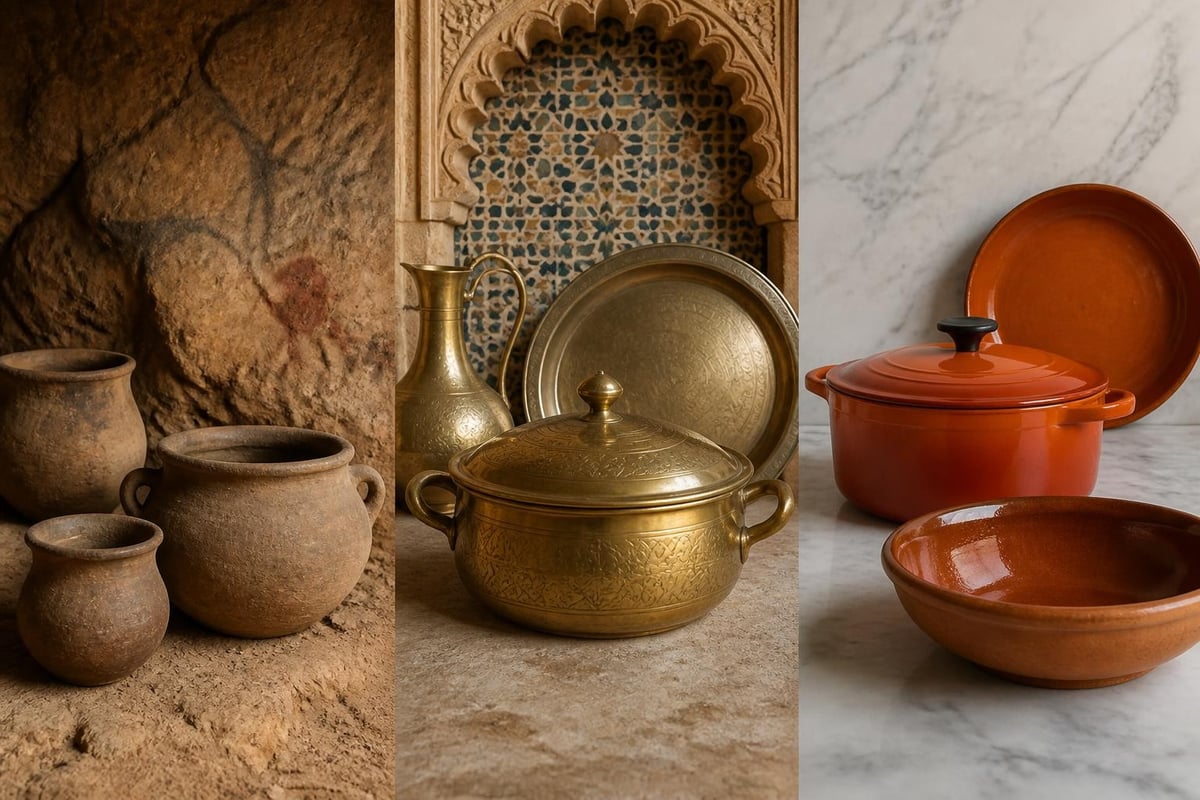
Traditional Spanish cookware evolved alongside the country's diverse regional cuisines, with each piece designed to solve specific cooking challenges. Archaeological evidence shows that Spanish clay cooking vessels date back to the Bronze Age, with hand-formed cazuelas used for slow-cooked stews and communal meals. These early designs laid the groundwork for modern Spanish cookware that continues to prioritize heat retention, even cooking, and social dining.
The Moorish influence between the 8th and 15th centuries introduced new metalworking techniques and glazing methods that transformed Spanish pottery and cookware production. Copper became prized for its heat conductivity, while tin-lined vessels prevented metallic flavors from contaminating foods. Regional centers like Toledo and Granada developed distinctive styles, each suited to local ingredients and cooking methods.
Regional Variations in Spanish Cookware Design
Spain's geographical diversity created distinct cookware traditions across its regions. In Valencia, the paellera developed its characteristic wide, shallow design to maximize socarrat (the crispy rice layer) formation. The Basque Country favored heavy earthenware cazuelas for long-simmering dishes like marmitako, while Andalusia refined copper calderos for seafood preparations.
Each regional style reflects local cooking priorities:
- Valencian paelleras: Wide diameter, shallow depth, twin handles for stability
- Basque cazuelas: Thick walls for heat retention, glazed interiors for easy cleaning
- Andalusian calderos: Rounded bottoms for even heat distribution over open flames
- Catalan greixoneras: Earthenware designed specifically for cassola dishes
- Galician pots: Deep forms suited to caldeiradas and seafood stews
These variations aren't merely aesthetic. They represent generations of cooks refining tools to match ingredients, heat sources, and dining customs specific to their regions.
Essential Types of Spanish Cookware
The Paella Pan (Paellera)
The paellera stands as Spain's most internationally recognized piece of cookware. Its design serves a precise culinary purpose: creating the perfect ratio of rice to surface area while allowing moisture to evaporate evenly. Traditional paella pans feature carbon steel construction, which develops a natural patina over time that enhances flavor and prevents sticking.
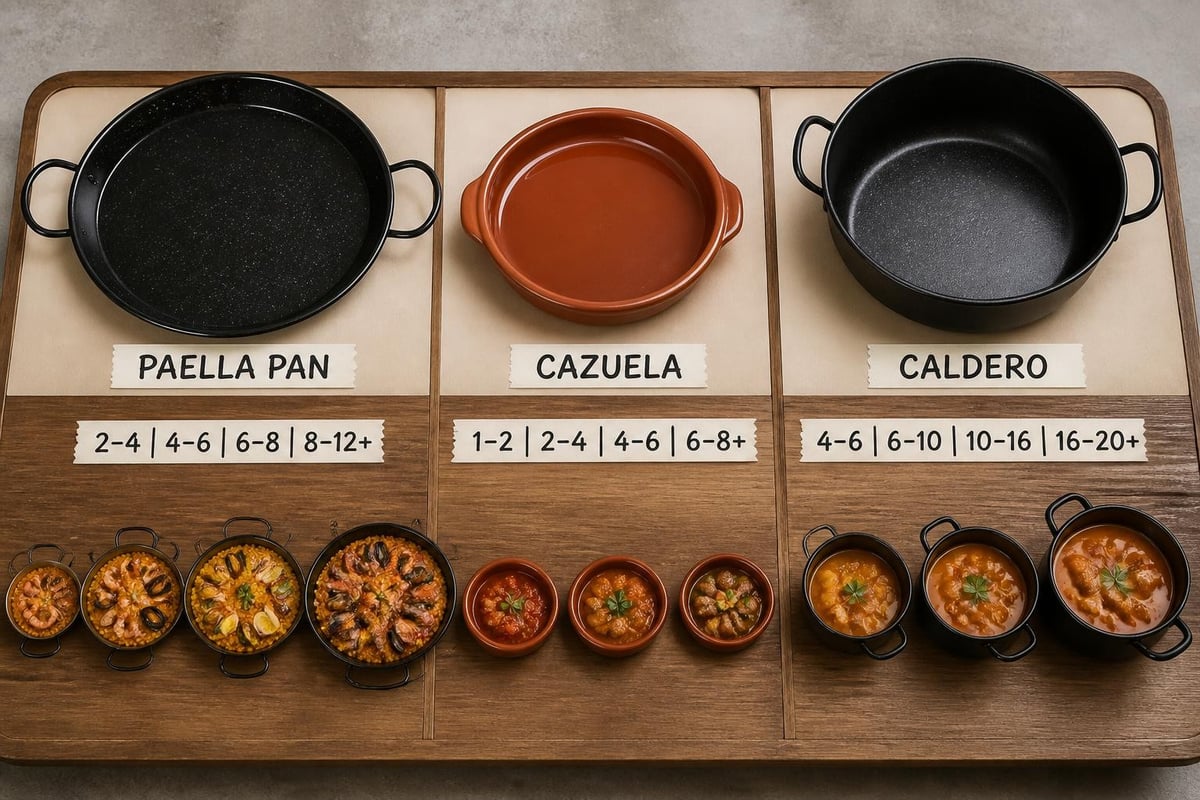
Authentic paelleras come in specific sizes measured by servings:
| Pan Diameter | Servings | Typical Use |
|---|---|---|
| 30 cm | 2-3 | Individual/couple cooking |
| 40 cm | 4-6 | Family meals |
| 55 cm | 10-12 | Gatherings |
| 80 cm+ | 20+ | Festivals, commercial |
The cultural significance of paella extends beyond cooking, representing communal identity and social bonds. The pan itself facilitates this by encouraging diners to eat directly from its surface, creating intimacy and shared experience.
Modern variations include enameled steel and stainless steel options. While easier to maintain, these materials don't develop the seasoning that makes traditional carbon steel paelleras so prized among serious cooks.
Cazuelas and Earthenware Vessels
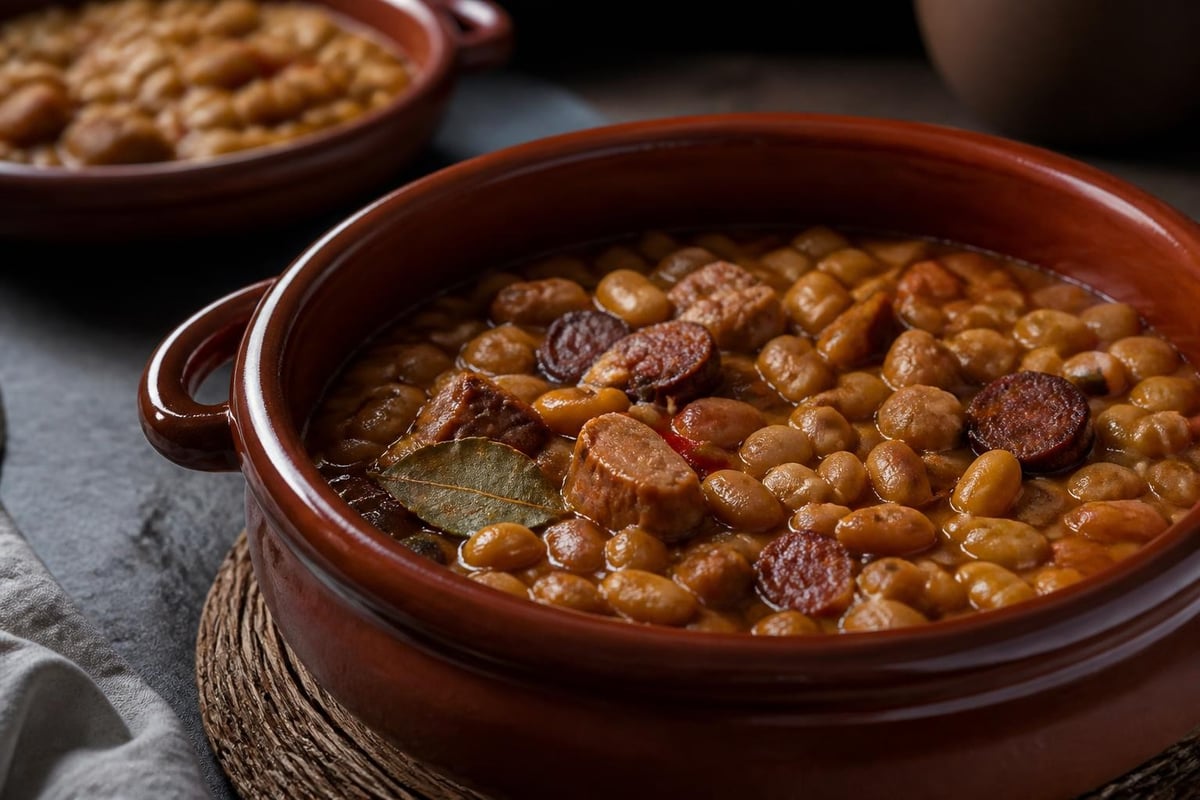
Cazuelas represent the workhorse of Spanish cookware, used daily across the country for everything from simple sautés to complex braises. These glazed earthenware pots excel at gentle, even heat distribution, making them ideal for dishes requiring long cooking times. The traditional Basque cuisine relies heavily on cazuelas for authentic preparation of regional specialties.
Key advantages of cazuelas include:
- Superior heat retention that keeps food warm at the table
- Non-reactive glazed surfaces that won't affect acidic ingredients
- Ability to move from stovetop to oven to table seamlessly
- Natural moisture regulation during cooking
- Enhanced flavor development in slow-cooked dishes
Cazuelas require specific care to prevent cracking. Always start with low heat and gradually increase temperature. Never place a hot cazuela on a cold surface or add cold liquid to a hot pot. These simple precautions extend the life of earthenware cookware indefinitely.
Terracotta Roasting Dishes and Bakers
Spanish terracotta roasting dishes (often called cazuelas de barro when unglazed) offer unique cooking properties that modern materials struggle to replicate. The porous clay absorbs moisture during cooking, then releases it gradually, creating a self-basting effect that keeps meats tender and vegetables perfectly textured.
Before first use, terracotta requires curing: submerge the piece in water for several hours, then coat the interior with olive oil and bake at low temperature. This process seals minor imperfections and prepares the surface for cooking.
Specialty Spanish Cookware Items
Beyond the foundational pieces, Spanish cookware includes specialized items designed for specific preparations:
- Caldero: A rounded pot traditionally used for rice dishes in Murcia and Alicante
- Chocolatera: A tall, narrow pot with a spout for making hot chocolate
- Sartén de hierro: Cast iron skillets for high-heat searing
- Olla: Deep pots for stews, stocks, and cocidos
- Plancha: Flat griddles for seafood and vegetables
Each piece evolved to solve particular cooking challenges, and using the appropriate vessel significantly impacts final dish quality.
Materials and Manufacturing Standards
Traditional vs. Modern Materials
Spanish cookware utilizes various materials, each offering distinct advantages. Traditional carbon steel paelleras develop natural non-stick properties through seasoning but require maintenance to prevent rust. Enameled steel provides convenience with easier cleaning and no seasoning requirements, though it lacks the character that develops in carbon steel.
Earthenware and terracotta remain popular despite their fragility because no modern material replicates their cooking properties. The clay's porosity and heat distribution create textures and flavors impossible to achieve in metal or glass cookware.
Material comparison for Spanish cookware:
| Material | Heat Distribution | Maintenance | Durability | Flavor Impact |
|---|---|---|---|---|
| Carbon Steel | Excellent | High | Very High | Develops patina |
| Enameled Steel | Very Good | Low | High | Neutral |
| Earthenware | Excellent | Medium | Medium | Enhances |
| Terracotta | Good | Medium | Low | Enhances |
| Cast Iron | Excellent | High | Very High | Develops seasoning |
Safety and Regulatory Standards
Quality Spanish cookware meets rigorous European Union standards for food contact materials. The EU regulations on ceramics and enameled cookware establish strict limits on lead and cadmium migration to prevent health risks. Reputable manufacturers test their products according to ISO 4531 standards for enamelled articles to ensure safety.
When purchasing Spanish cookware, look for:
- CE marking indicating European compliance
- Manufacturer documentation of testing results
- Food-safe certification labels
- Clear country of origin information
- Warranty or quality guarantees
Avoid unmarked or suspiciously inexpensive imported pieces claiming Spanish origin. Authentic Spanish cookware from established manufacturers carries appropriate safety certifications and transparent sourcing information.
Choosing Authentic Spanish Cookware
What Makes Cookware Authentically Spanish
Authentic spanish cookware combines traditional design principles with quality materials and proper construction techniques. A genuine paellera features riveted handles, a flat bottom for stability, and appropriate gauge steel that won't warp under high heat. The pan should feel substantial but not excessively heavy, with smooth interior surfaces free from coating or non-stick treatments.
For earthenware, authentic pieces show hand-finishing marks and slight variations that indicate artisanal production. The glaze should be smooth and even without cracks, and the clay body should feel dense rather than chalky. Traditional Spanish pottery regions like La Bisbal d'Empordà and Bailén maintain centuries-old production methods that yield superior cookware.
Sizing Considerations for Different Dishes
Selecting the right size spanish cookware directly impacts cooking results. Paella pans require careful sizing because rice depth affects cooking time and socarrat formation. A 40cm pan works perfectly for four to six servings, while attempting to cook two portions in the same pan spreads the rice too thinly, causing burning.
Cazuelas should accommodate ingredients with space for stirring and heat circulation. A two-liter cazuela suits most family meals, while smaller one-liter versions excel for side dishes or individual servings. Consider purchasing multiple sizes rather than compromising with a single mid-range option.
Cooking Techniques with Spanish Cookware
Mastering the Paella Pan
Cooking paella properly requires understanding how the pan's design influences technique. The wide surface area demands sufficient heat to reach all edges evenly. On a home stovetop, this often means using a paella burner or two burners simultaneously, rotating the pan periodically to ensure uniform cooking.
Steps for perfect paella technique:
- Heat the pan thoroughly before adding oil
- Sauté aromatics and proteins in the center where heat concentrates
- Distribute rice evenly across the entire surface
- Add liquid in a circular pattern from outside to center
- Maintain steady heat without stirring once rice is added
- Listen for the crackling sound indicating socarrat formation
- Remove from heat and rest before serving
The traditional Valencian paella recipe demonstrates these principles, emphasizing technique over exotic ingredients. Proper pan use matters more than recipe variations.
Working with Earthenware and Terracotta
Earthenware spanish cookware requires different techniques than metal. Always use a heat diffuser on electric or gas stovetops to prevent thermal shock. Start with low heat and increase gradually, allowing the clay to warm slowly and evenly. This patience prevents cracks and ensures even cooking throughout the vessel.
Acidic ingredients like tomatoes and wine can interact with poorly glazed earthenware, potentially leaching unwanted minerals. Quality spanish cookware features proper glazing that eliminates this concern while maintaining the clay's beneficial properties.
When braising or stewing in cazuelas, add liquids at room temperature rather than cold. The clay's heat retention means dishes continue cooking even after removal from heat, so account for carryover when timing your preparations.
Care and Maintenance
Seasoning and Preserving Carbon Steel
New carbon steel paelleras require seasoning before first use. Wash thoroughly with hot soapy water to remove factory coatings, dry completely, then heat the pan until it just begins to smoke. Add a thin layer of high-smoke-point oil and spread evenly across the surface using a paper towel. Heat until the oil polymerizes into a dark patina, then repeat the process two or three times.
After each use, clean the pan while still warm using hot water and a soft brush. Avoid soap once the seasoning develops. Dry thoroughly and apply a thin oil coat before storage to prevent rust. Proper care transforms a basic paella pan into an heirloom piece that improves with age.
Cleaning and Storing Earthenware
Earthenware spanish cookware benefits from gentle cleaning methods. Allow cazuelas to cool naturally before washing in warm water with mild detergent. Avoid abrasive scrubbers that might damage the glaze. Stubborn residue responds to baking soda paste applied and left overnight.
Store earthenware in dry locations with good air circulation. Avoid stacking heavy items on top of clay pieces, as pressure can cause hairline cracks. If storing for extended periods, ensure the cazuela is completely dry to prevent mildew formation in the porous clay.
Restoration and Repair
Minor chips in earthenware glazing don't necessarily render a piece unusable. For purely cosmetic damage away from food contact areas, pieces remain functional. Significant cracks or glaze loss in cooking surfaces warrant replacement for safety reasons.
Carbon steel paelleras can be restored even after significant rust develops. Strip the pan completely using steel wool and vinegar, then re-season from scratch. This process rescues neglected pans and returns them to full functionality.
Building Your Spanish Cookware Collection
Essential Pieces for Beginners
Starting a spanish cookware collection doesn't require extensive investment. Begin with these foundational pieces:
- One 40cm carbon steel paellera for rice dishes and entertaining
- A 2-liter glazed cazuela for everyday braising and stewing
- A medium terracotta roasting dish for oven preparations
- A small cast iron sartén for high-heat cooking
This core set handles most Spanish recipes while teaching the techniques necessary for more specialized pieces. As comfort with these tools grows, add size variations and specialty items.
Expanding Your Collection Strategically
Advanced cooks benefit from multiple paellera sizes for different occasions. A small 30cm pan serves weeknight dinners, while larger 55cm or 70cm versions accommodate gatherings. Similarly, cazuelas in various sizes offer flexibility for preparing multiple dishes simultaneously.
Consider regional specialties that match your cooking interests. Enthusiasts of Basque cuisine prioritize high-quality earthenware, while those focused on Valencian rice dishes invest in superior paella pans and calderos.
Understanding Value and Investment
Price Ranges and What to Expect
Quality spanish cookware spans wide price ranges based on materials, craftsmanship, and brand reputation. Entry-level carbon steel paelleras start around $30-40 for basic 40cm pans, while artisan-made versions with superior steel and finishing reach $100-150. Earthenware cazuelas range from $20 for mass-produced versions to $80+ for handmade pieces from traditional pottery centers.
Price differences reflect material quality, manufacturing standards, and longevity. A well-made paella pan lasts decades with proper care, making even premium prices reasonable investments. Conversely, cheap cookware that warps, cracks, or fails safety standards costs more over time through replacement and potential health risks.
Identifying Quality Indicators
Examine construction details to assess spanish cookware quality. Riveted handles on paella pans outlast welded versions. Even glaze application without bubbles, drips, or thin spots indicates careful earthenware production. Weight appropriate to size suggests proper material thickness rather than thin, weak construction.
Research manufacturers and their reputation within Spain. Established brands with generations of production history typically maintain higher standards than newcomers focused primarily on export markets. Regional certifications and protected origin designations provide additional quality assurance.
Modern Innovations in Traditional Designs
Contemporary Adaptations
Modern spanish cookware incorporates innovations while respecting traditional principles. Enameled paelleras offer the classic shape with easier maintenance. Induction-compatible bases expand usability on contemporary stovetops without compromising performance. Reinforced earthenware blends traditional clay with modern materials for improved durability.
These adaptations make spanish cookware accessible to cooks with different needs and kitchen setups. A quality enameled paellera performs admirably even if it lacks the romance of seasoned carbon steel. The key lies in choosing innovations that maintain functional benefits rather than purely cosmetic updates.
Balancing Tradition and Convenience
Decide which traditional aspects matter most for your cooking style. Purists insist on carbon steel and uncoated surfaces for authentic flavor development. Pragmatists appreciate enameled versions that deliver 90% of the results with 50% of the maintenance effort. Neither approach is wrong when the cookware suits your needs and encourages regular use.
The best spanish cookware is the piece you'll actually use. An enameled paellera used weekly provides more value than a traditional carbon steel pan gathering dust because maintenance feels burdensome. Assess your realistic commitment to care requirements before purchasing.
Spanish cookware transforms everyday cooking into an exploration of Mediterranean culinary heritage, where each pan, pot, and dish connects modern kitchens to centuries of tradition. Whether you're crafting your first paella or expanding a collection of regional specialties, choosing quality pieces that match your cooking style ensures both authentic results and lasting value. Kitchenovaplus offers carefully selected spanish cookware that brings these time-honored traditions to your kitchen, combining authentic designs with the quality standards today's cooks demand. Explore our collection to find the perfect pieces for your culinary journey.
Also in NewsWhether you're looking for practical advice

Professional Cookware: The Complete Guide for 2026

Enamel Cookware: Safety, Performance & Buying Guide

Jamie Oliver Cookware: Quality, Features & Value in 2026
Follow
Sign up to get the latest on sales, new releases and more …
© 2026 Kitchenovaplus.
Powered by Shopify


