
MF Cookware: Quality German Engineering for Your Kitchen
When outfitting a kitchen with professional-grade equipment, discerning cooks consistently turn to brands that deliver exceptional performance and longevity. MF cookware has earned its reputation through decades of German precision engineering, becoming a staple in both commercial kitchens and passionate home cooking environments. This comprehensive guide explores what makes this cookware line exceptional, how to select the right pieces for your needs, and why investing in quality matters for your culinary success.
Understanding the MF Cookware Heritage
MF cookware originates from a rich tradition of German metalworking that spans over a century. The brand's commitment to quality begins with material selection and extends through every stage of production.
The manufacturing process combines traditional craftsmanship with modern technology. Each piece undergoes rigorous quality control testing to ensure it meets exacting standards. German engineering principles emphasize durability, functionality, and performance optimization, which translates directly into cookware that performs consistently year after year.
Material Composition and Construction
The foundation of any quality cookware lies in its materials and how they're assembled. MF cookware typically features multiple layers of different metals, each serving a specific purpose:
- 18/10 stainless steel provides the cooking surface and exterior
- Aluminum core layers ensure rapid, even heat distribution
- Magnetic stainless base enables compatibility with all cooktop types
- Encapsulated bottom construction prevents hot spots and warping
This multi-ply construction creates cookware that heats evenly from edge to center, eliminating the frustration of burned spots or unevenly cooked food. The thickness and arrangement of these layers directly impact cooking performance and durability.
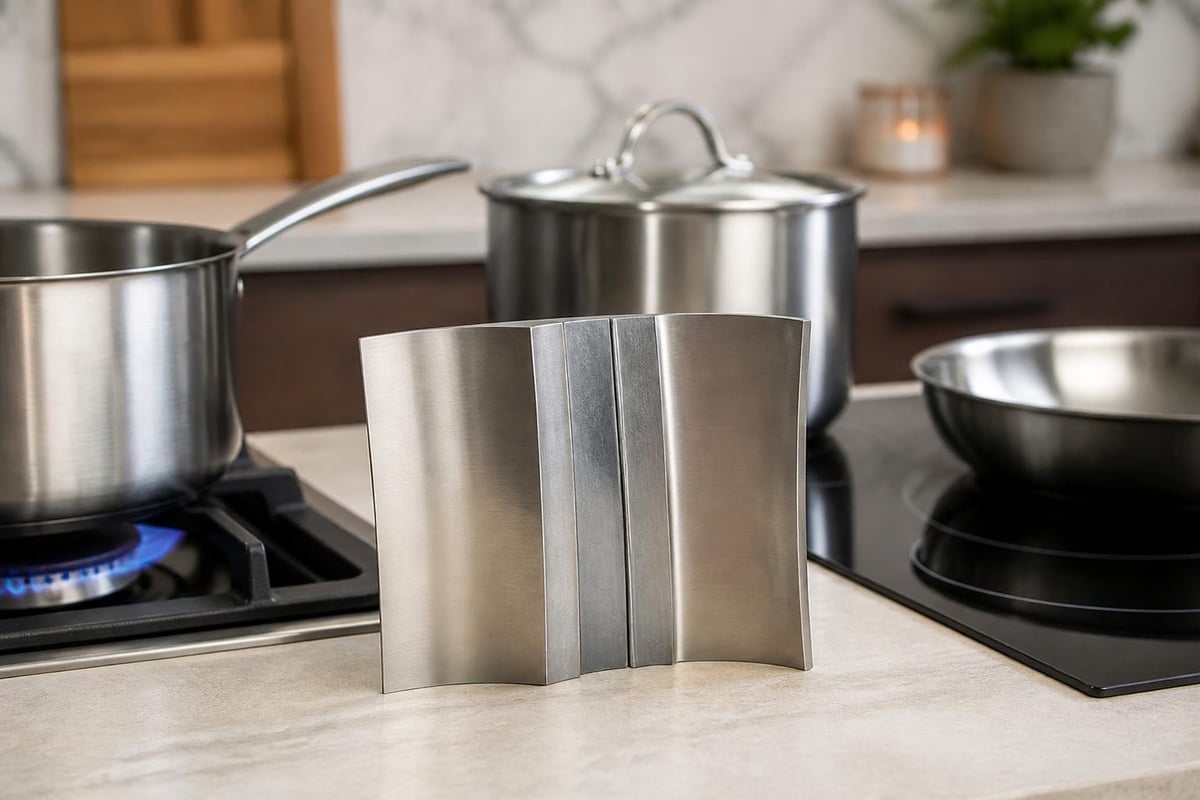
Key Features That Define MF Cookware Quality
Professional chefs and home cooks choose mf cookware for specific performance characteristics that elevate everyday cooking. Understanding these features helps you appreciate the engineering behind each piece.
Superior Heat Management
Heat control separates adequate cookware from exceptional cookware. Even heat distribution prevents scorching delicate sauces while ensuring proteins develop proper crusts. The aluminum core in mf cookware responds quickly to temperature adjustments, giving you precise control over your cooking environment.
The thermal conductivity allows you to use lower heat settings than you might expect, which saves energy and provides gentler cooking conditions for temperature-sensitive ingredients. This responsiveness proves invaluable when executing techniques that require quick temperature changes.
Ergonomic Design Elements
Beyond cooking performance, daily usability matters tremendously. MF cookware incorporates thoughtful design features:
- Stay-cool handles that remain comfortable during stovetop use
- Flared rims for drip-free pouring
- Balanced weight distribution that prevents wrist fatigue
- Tight-fitting lids that seal in moisture and flavor
- Measurement markings on select pieces for convenience
The handle attachment method deserves special attention. Welded or riveted handles create potential weak points, but quality construction methods ensure these connections withstand decades of use without loosening.
Choosing the Right MF Cookware Pieces
Building a functional cookware collection requires strategic selection rather than purchasing complete sets that may include redundant pieces. Consider your cooking style and frequency when making decisions.
Essential Starting Pieces
| Piece Type | Size Recommendation | Primary Uses | Priority Level |
|---|---|---|---|
| Frying Pan | 10-inch or 12-inch | Sautéing, searing, eggs | High |
| Saucepan | 2-quart with lid | Sauces, grains, vegetables | High |
| Stock Pot | 8-quart with lid | Stocks, soups, pasta | Medium |
| Sauté Pan | 3-quart with lid | One-pot meals, braising | Medium |
| Small Saucepan | 1-quart | Small batches, reheating | Low |
Start with pieces you'll use multiple times weekly. A quality 10-inch frying pan and 2-quart saucepan form the foundation of most cooking routines. These workhorses handle everything from morning eggs to evening sauces.
Specialized Pieces for Expanding Collections
As your skills and interests develop, specialized mf cookware pieces enhance your capabilities:
- Grill pans for indoor grilling with characteristic marks
- Woks designed for high-heat stir-frying
- Double boilers for chocolate and delicate sauces
- Roasting pans for oven-based cooking
- Griddles that span two burners for pancakes and sandwiches
Each specialized piece addresses specific cooking challenges that general-purpose cookware handles less effectively. Evaluate whether you'll use these pieces regularly enough to justify the investment and storage space.
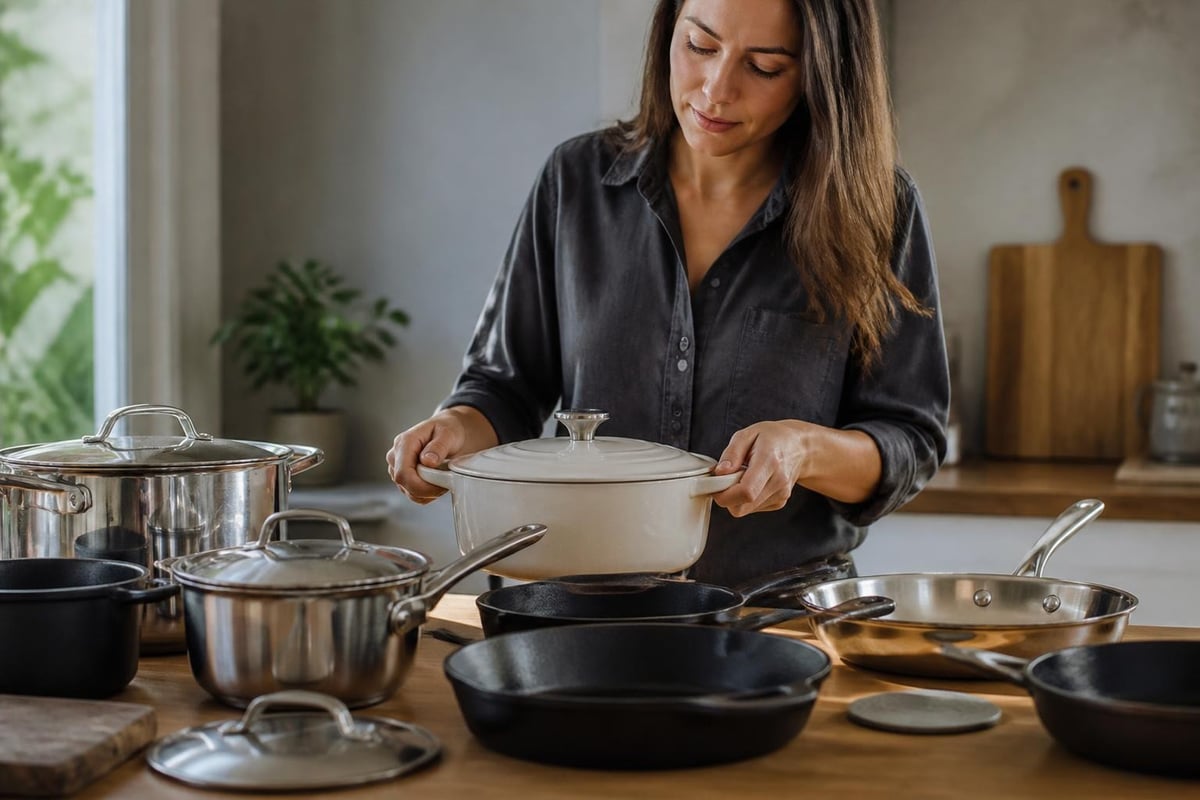
Maintenance and Care for Longevity
Proper maintenance extends the life of mf cookware indefinitely while preserving its performance characteristics. Stainless steel construction offers inherent durability, but certain practices optimize its condition.
Daily Cleaning Best Practices
Hand washing remains the gold standard for cookware care, despite dishwasher-safe ratings. Hot water, mild dish soap, and a soft sponge handle routine cleaning effectively. For stubborn residue, these techniques work exceptionally well:
- Fill the pan with warm water and add a small amount of dish soap
- Place on low heat for 5-10 minutes to loosen stuck food
- Use a soft-bristled brush or non-abrasive pad to clean
- Rinse thoroughly and dry immediately to prevent water spots
- Polish occasionally with specialized stainless steel cleaner
Avoid abrasive cleaners or steel wool on cooking surfaces, as these create scratches that can trap food particles and make future cleaning more difficult. The exterior finish tolerates more aggressive cleaning if necessary.
Addressing Common Issues
Even quality cookware develops minor issues over time. Understanding solutions prevents unnecessary replacement:
| Issue | Cause | Solution |
|---|---|---|
| Rainbow discoloration | Heat exposure | Clean with vinegar solution |
| White calcium deposits | Hard water | Soak in vinegar, scrub gently |
| Stuck-on food | Insufficient oil/butter | Barkeeper's Friend cleanser |
| Heat tint marks | Overheating | Normal and harmless |
| Loss of shine | Mineral buildup | Polish with baking soda paste |
Rainbow discoloration, while cosmetic, bothers some cooks. A solution of one part vinegar to three parts water removes this harmless oxidation layer, restoring the original appearance.
Performance Comparison With Other Cookware Types
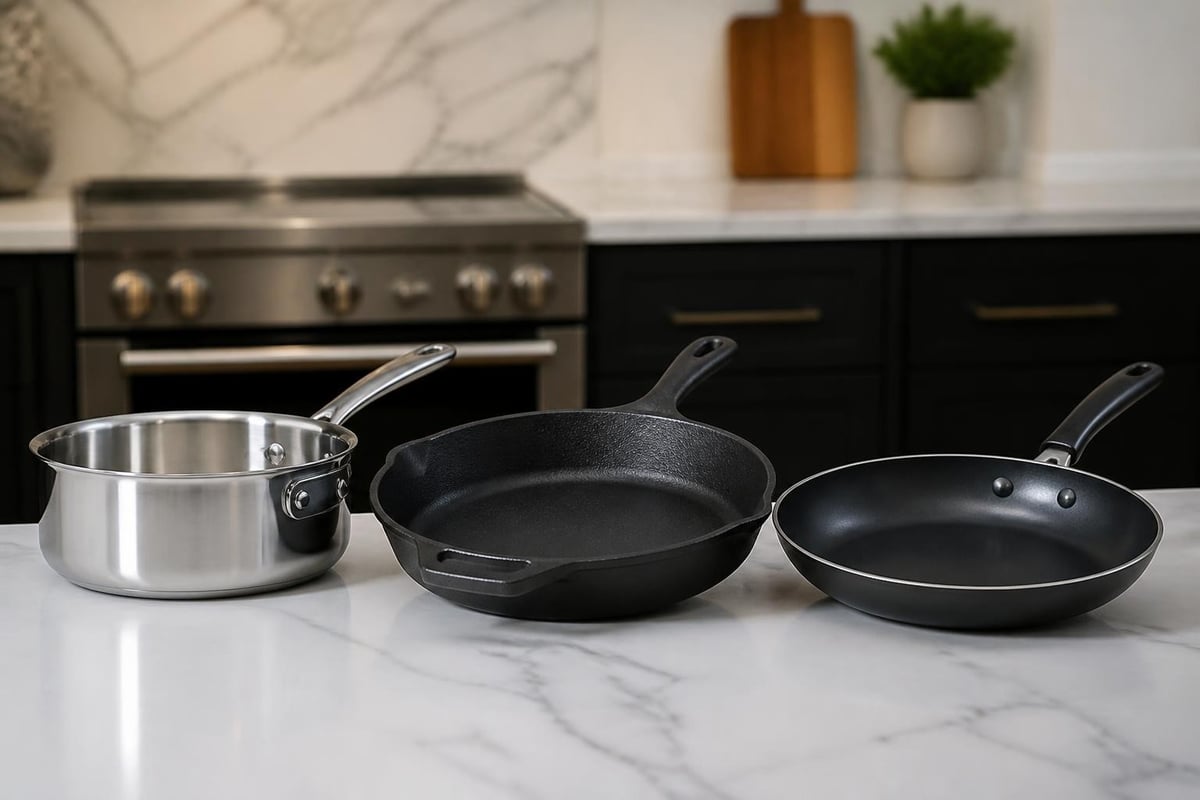
Understanding how mf cookware compares to alternative materials helps you make informed decisions about when to use each type. No single material excels at every cooking task.
Stainless Steel Versus Non-Stick
Non-stick coatings offer undeniable convenience for certain foods, but they come with limitations. The coating degrades over time, requires careful utensil selection, and restricts maximum cooking temperatures. MF cookware's stainless steel surface lasts indefinitely and tolerates high heat necessary for proper browning.
Learning to cook with stainless steel involves understanding heat management and fat usage. Properly preheated stainless steel with adequate oil creates a temporary non-stick surface through polymerization. This technique works beautifully for eggs, fish, and other delicate proteins once mastered.
Stainless Steel Versus Cast Iron
Cast iron provides excellent heat retention and natural non-stick properties when properly seasoned. However, it requires special maintenance, reacts with acidic foods, and weighs significantly more than stainless alternatives.
MF cookware offers several advantages:
- Immediate reactivity to temperature changes
- No seasoning requirements or maintenance restrictions
- Dishwasher compatibility for easier cleaning
- Acidic ingredient tolerance for tomato sauces and wine reductions
- Lighter weight that reduces physical strain
Both materials deserve space in well-equipped kitchens, as each excels in different applications. Cast iron handles high-heat searing and oven baking superbly, while stainless steel manages sauces and delicate techniques better.
Cooking Techniques That Shine With MF Cookware
Certain cooking methods benefit particularly from the characteristics that define quality stainless steel cookware. Mastering these techniques unlocks the full potential of your investment.
Developing Fond for Rich Sauces
Fond, the browned bits stuck to the pan bottom after searing meat, forms the flavor foundation for exceptional sauces. Stainless steel excels at fond development because:
- High heat tolerance allows proper Maillard reaction
- Non-reactive surface preserves delicate flavor compounds
- Flat cooking surface maximizes contact for even browning
- Deglazing releases fond completely without damaging the pan
The process transforms simple pan sauces into restaurant-quality reductions. After removing seared protein, add wine, stock, or other liquid to the hot pan. The liquid dissolves the caramelized proteins and sugars, creating complex, concentrated flavor.
Precise Temperature Control
Professional cooking relies on maintaining specific temperature ranges for different techniques. MF cookware's responsive heat conductivity makes this control achievable on home stovetops.
Simmering requires gentle heat that maintains small bubbles without vigorous boiling. The even heat distribution prevents hot spots that would create uneven cooking. Sautéing demands higher temperatures that quickly cook vegetables while preserving texture and color.
Practice recognizing visual and auditory cues that indicate proper temperatures. Water droplets should dance across the surface before adding oil. Oil should shimmer but not smoke when ready for ingredients.
Investment Value and Long-Term Economics
Quality cookware represents a significant upfront investment compared to budget alternatives. Analyzing the long-term economics reveals why this investment makes financial sense for serious cooks.
Cost Per Use Analysis
Consider a quality mf cookware frying pan priced at three hundred dollars versus a budget alternative at fifty dollars. The budget pan might last two years with regular use, requiring repeated replacement. The premium pan performs flawlessly for decades, potentially outlasting its owner.
| Timeframe | Budget Pan Total | MF Cookware Total | Cumulative Savings |
|---|---|---|---|
| 2 years | $50 | $300 | -$250 |
| 6 years | $150 | $300 | -$150 |
| 10 years | $250 | $300 | -$50 |
| 20 years | $500 | $300 | $200 |
| 30 years | $750 | $300 | $450 |
This simplified comparison excludes the performance advantages that save time, reduce cooking failures, and improve results. Superior heat distribution means fewer ruined meals and wasted ingredients.
Performance Advantages That Save Money
Beyond durability, quality cookware impacts your grocery budget through improved cooking outcomes. Even heating prevents burning expensive proteins. Precise temperature control ensures delicate sauces don't break or scorch.
The ability to use lower heat settings reduces energy consumption over thousands of cooking sessions. While individual savings seem modest, they accumulate substantially across years of daily use.
Cookware Compatibility and Versatility
Modern kitchens feature diverse cooktop technologies, from traditional gas to induction and electric. MF cookware's construction ensures compatibility across all heat sources, providing flexibility for kitchen changes.
Induction Cooktop Performance
Induction cooking uses electromagnetic fields to heat ferromagnetic materials directly, offering precise control and energy efficiency. The magnetic stainless steel base in mf cookware responds perfectly to induction burners.
Testing compatibility involves simply placing a magnet on the cookware base. Strong magnetic attraction indicates full induction capability. This feature future-proofs your cookware investment as more households adopt induction technology for its safety and efficiency benefits.
Oven-to-Table Capabilities
Quality construction tolerates high oven temperatures, expanding cooking technique options significantly. Sear proteins on the stovetop, then finish in the oven without transferring to separate bakeware. This approach:
- Reduces cleanup by eliminating extra dishes
- Maintains heat consistency during transfer
- Enables elegant presentation at the table
- Supports techniques like braising that combine stovetop and oven
Always verify temperature ratings before oven use. Handle materials determine maximum safe temperatures, with stainless steel handles typically rated higher than silicone or phenolic alternatives.
Professional Chef Perspectives
Restaurant kitchens demand cookware that withstands intense, continuous use while delivering consistent results. Professional chefs choose mf cookware for specific performance characteristics that home cooks also benefit from.
High-Volume Cooking Demands
Commercial kitchens test cookware durability far beyond typical home use. A single pan might cook hundreds of meals weekly, experiencing temperature extremes and frequent washing. Stainless steel construction handles this punishment without degrading.
The balanced weight distribution prevents fatigue during extended cooking sessions. Professionals appreciate handles that stay cool enough for quick adjustments without towels or pot holders, improving kitchen efficiency and safety.
Consistency Across Multiple Pieces
When building a complete cookware set, performance consistency matters enormously. MF cookware delivers predictable heating characteristics across different sizes and styles, allowing cooks to develop intuitive understanding that transfers between pieces.
This consistency reduces the learning curve when adding new pieces to your collection. Temperature settings and timing that work for your 10-inch pan translate directly to your 12-inch version, streamlining your cooking process.
Making Your Cookware Purchase Decision
Selecting cookware involves balancing immediate budget constraints against long-term value and performance needs. Several factors influence the optimal choice for your specific situation.
Evaluating Your Cooking Frequency
Daily cooks who prepare multiple meals at home benefit most from premium cookware investments. The frequent use justifies higher initial costs while the performance advantages compound through countless cooking sessions.
Occasional cooks might consider starting with essential pieces in premium materials while supplementing with budget options for rarely-used items. This hybrid approach allocates resources toward frequently-used pieces that most impact cooking quality.
Warranty and Customer Support
Reputable manufacturers back their products with substantial warranties, typically ranging from ten years to lifetime coverage. These warranties protect against manufacturing defects and demonstrate company confidence in product durability.
Review warranty terms carefully, noting what's covered and any maintenance requirements. Some warranties become void if cookware experiences certain types of damage or improper care. Understanding these terms helps you maintain coverage while using your cookware appropriately.
Investing in quality mf cookware transforms your cooking experience through superior heat control, durability, and versatility that budget alternatives simply cannot match. The combination of German engineering, premium materials, and thoughtful design creates cookware that performs beautifully across decades of daily use. At Kitchenovaplus, we understand that selecting the right cookware represents a significant decision for passionate home cooks. Whether you're building your first collection or upgrading existing pieces, Kitchenovaplus offers expert guidance and quality products to elevate your culinary capabilities.
Also in NewsWhether you're looking for practical advice

Professional Cookware: The Complete Guide for 2026

Enamel Cookware: Safety, Performance & Buying Guide

Jamie Oliver Cookware: Quality, Features & Value in 2026
Follow
Sign up to get the latest on sales, new releases and more …
© 2026 Kitchenovaplus.
Powered by Shopify


