
Master Salad Cookware: Complete Guide for 2026
Salad preparation has evolved far beyond simple tossing greens in a bowl. Today's home cooks and culinary enthusiasts demand specialized tools that transform everyday salad making into an art form. Master salad cookware encompasses a complete ecosystem of vessels, tools, and accessories designed to wash, dry, mix, dress, and serve salads with precision and style. Understanding which pieces belong in your kitchen and how to select quality cookware will elevate your salad game while making preparation faster and more enjoyable.
Essential Components of Master Salad Cookware
The foundation of any salad preparation station begins with understanding the core pieces that constitute master salad cookware. These tools work in harmony to streamline every step from washing lettuce to presenting a finished dish.
Primary Mixing and Serving Bowls
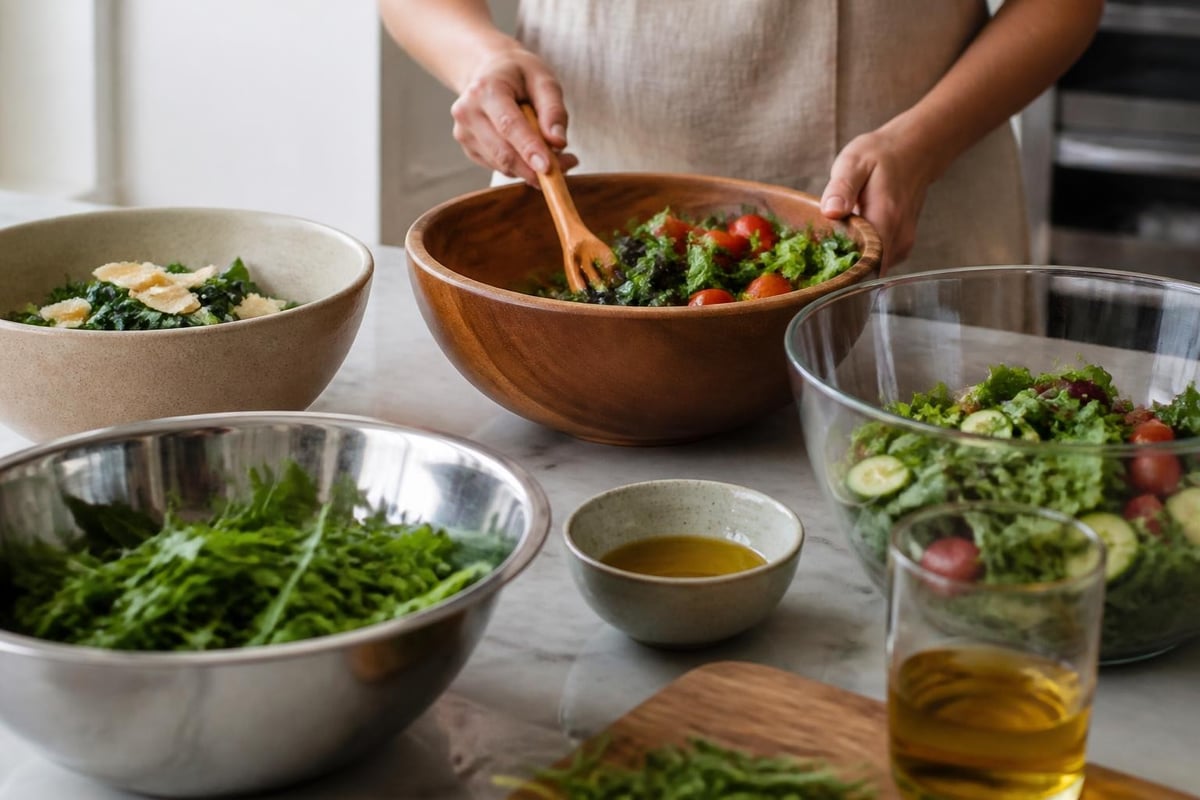
Large salad bowls serve double duty as both mixing vessels and serving pieces. The ideal size ranges from 10 to 14 inches in diameter, providing ample room to toss ingredients without spillage. Materials matter significantly: wooden bowls retain a classic aesthetic and won't react with acidic dressings, ceramic bowls offer visual appeal and temperature retention, and stainless steel bowls provide durability and lightweight handling.
When selecting bowls for your master salad cookware collection, consider:
- Depth: Bowls should be deep enough to prevent ingredients from flying out during tossing
- Weight: Heavier bowls stay stable during vigorous mixing
- Finish: Interior surfaces should be smooth for easy cleaning
- Rim design: Slightly flared rims facilitate pouring and serving
Salad Spinners and Drying Systems
Moisture control separates mediocre salads from exceptional ones. Salad spinners represent perhaps the most crucial piece of master salad cookware for achieving crisp, dressing-ready greens. The centrifugal force removes surface water that would otherwise dilute dressings and create soggy leaves.
Modern spinners incorporate several design improvements over traditional models. Pull-cord mechanisms generate more consistent speed than hand-crank versions. Brake buttons allow quick stopping without waiting for natural deceleration. Non-slip bases with rubberized feet prevent the spinner from walking across countertops during operation.
Quality spinners feature:
- Perforated inner baskets that double as colanders for rinsing
- Locking lids that enable safe storage of washed greens in the refrigerator
- Minimum 4-quart capacity to handle full heads of lettuce
- Dishwasher-safe components for effortless cleanup
The science behind dressing emulsion demonstrates why dry greens are essential. Water molecules prevent oil-based dressings from adhering to leaf surfaces, resulting in pooled dressing at the bowl bottom rather than evenly coated greens.
Specialized Tools for Master Salad Preparation
Beyond bowls and spinners, a complete master salad cookware arsenal includes specialized implements that address specific preparation challenges.
Tongs, Servers, and Tossing Utensils
The method of combining ingredients dramatically impacts salad texture and ingredient distribution. Wooden salad hands offer gentle tossing that won't bruise delicate greens. Stainless steel tongs with scalloped edges provide secure grip on heavier ingredients like grilled chicken or roasted vegetables. Silicone-tipped servers prevent scratching on ceramic or wooden bowls while offering heat resistance up to 600°F.
Professional chefs often prefer salad forks and spoons with elongated handles that reach bowl bottoms easily. The Smithsonian's collection includes historical salad servers that showcase how design has evolved to balance function with artistic expression.
| Tool Type | Best For | Material | Key Advantage |
|---|---|---|---|
| Wooden hands | Delicate greens | Bamboo/hardwood | Gentle tossing |
| Steel tongs | Heavy ingredients | Stainless steel | Secure grip |
| Silicone servers | Coated bowls | Heat-resistant silicone | Scratch prevention |
| Long-handled fork/spoon | Deep bowls | Various | Extended reach |
Dressing Preparation and Storage
Master salad cookware extends to dressing creation and preservation. Glass cruets with pour spouts allow controlled dressing application. Mini whisks (6-8 inches) fit inside narrow jars for emulsifying vinaigrettes. Shaker bottles with measurement markings simplify ratio-based dressings.
The molecular structure of vinaigrettes requires specific tools to achieve stable emulsions. Small-batch immersion blenders create restaurant-quality dressings in seconds, while mason jars with sealed lids enable the shake method for quick everyday preparations.
Storage considerations:
- Dark glass bottles protect oil from light degradation
- Airtight seals prevent oxidation and flavor loss
- Graduated markings ensure consistent recipe scaling
- Wide mouths accommodate easy cleaning and ingredient addition
Material Selection and Sustainability Considerations
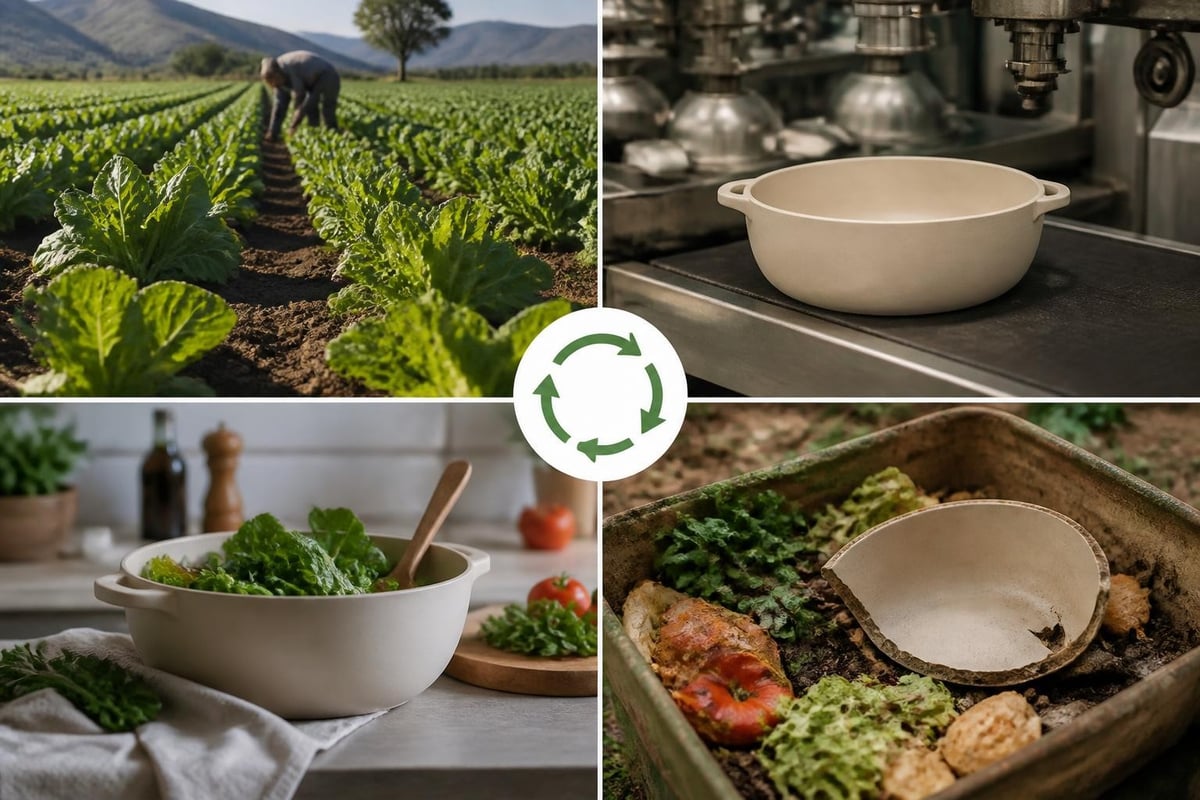
Modern consumers increasingly prioritize environmental impact when building their master salad cookware collection. Material choices affect both performance and ecological footprint.
Eco-Friendly Options and Longevity
Bamboo bowls and utensils offer renewable material sourcing with natural antimicrobial properties. Recycled glass bowls combine sustainability with aesthetic appeal. Stainless steel pieces provide decades of service without degradation, making them excellent long-term investments.
The EPA provides comprehensive guidance on identifying sustainable food service ware. Key factors include material sourcing, manufacturing energy consumption, product lifespan, and end-of-life disposal options.
When evaluating master salad cookware sustainability:
- Choose multi-functional pieces that reduce overall kitchen tool count
- Prioritize repairable items over disposable or sealed construction
- Select locally manufactured products to minimize transportation emissions
- Verify food-safe finishes free from harmful chemicals
- Consider second-life applications when products reach retirement
Performance Characteristics by Material
Each material in master salad cookware offers distinct advantages and limitations. Understanding these properties helps match tools to specific needs.
Wood absorbs minimal moisture, won't scratch delicate bowl interiors, and provides warm aesthetic appeal. However, it requires hand washing and periodic oiling to prevent cracking. Ceramic maintains temperature well, offers unlimited color options, and presents beautifully for serving. The trade-off includes heavier weight and fragility concerns.
Stainless steel resists staining, tolerates dishwashers, and weighs less than ceramic while maintaining durability. Some users find it less visually appealing for table presentation. Glass allows visibility of salad layers, transitions safely from refrigerator to table, and cleans effortlessly but shares ceramic's breakage vulnerability.
Design Trends Shaping Modern Salad Cookware
The master salad cookware category continues evolving with consumer preferences and culinary trends. Contemporary designs reflect both aesthetic movements and functional innovations.
Minimalist and Multi-Functional Designs
Clean lines and neutral palettes dominate current design language. Bowls with integrated serving utensil holders eliminate table clutter. Nested bowl sets save storage space while providing size options for different salad volumes. Convertible spinner baskets that function independently as colanders or serving bowls maximize utility per square foot.
According to Bon Appétit's comprehensive bowl guide, modern consumers favor pieces that transition seamlessly from preparation to presentation. This preference drives design toward refined simplicity rather than ornate decoration.
Current popular features include:
- Matte finishes that hide minor scratches and wear
- Integrated measuring indicators for portion control
- Modular stacking systems for compact storage
- Reversible servers with different edges for varied foods
- Magnetic utensil holders that attach to bowl rims
Color and Texture Innovations
While white and stainless steel remain classics, bold colors have gained traction. Terracotta tones evoke Mediterranean dining. Deep navy and forest green add sophistication to casual meals. Two-tone designs with contrasting interior and exterior colors create visual interest.
Texture plays an increasingly important role in master salad cookware design. Hammered metal finishes add tactile dimension. Unglazed ceramic exteriors provide organic warmth. Carved wooden patterns reference traditional craftsmanship while maintaining smooth, functional interiors.
Sizing Strategies for Different Serving Scenarios
Master salad cookware selection depends heavily on typical serving sizes and entertaining frequency. Strategic sizing prevents both overcrowding and wasted storage space.
Individual, Family, and Entertainment Sizes
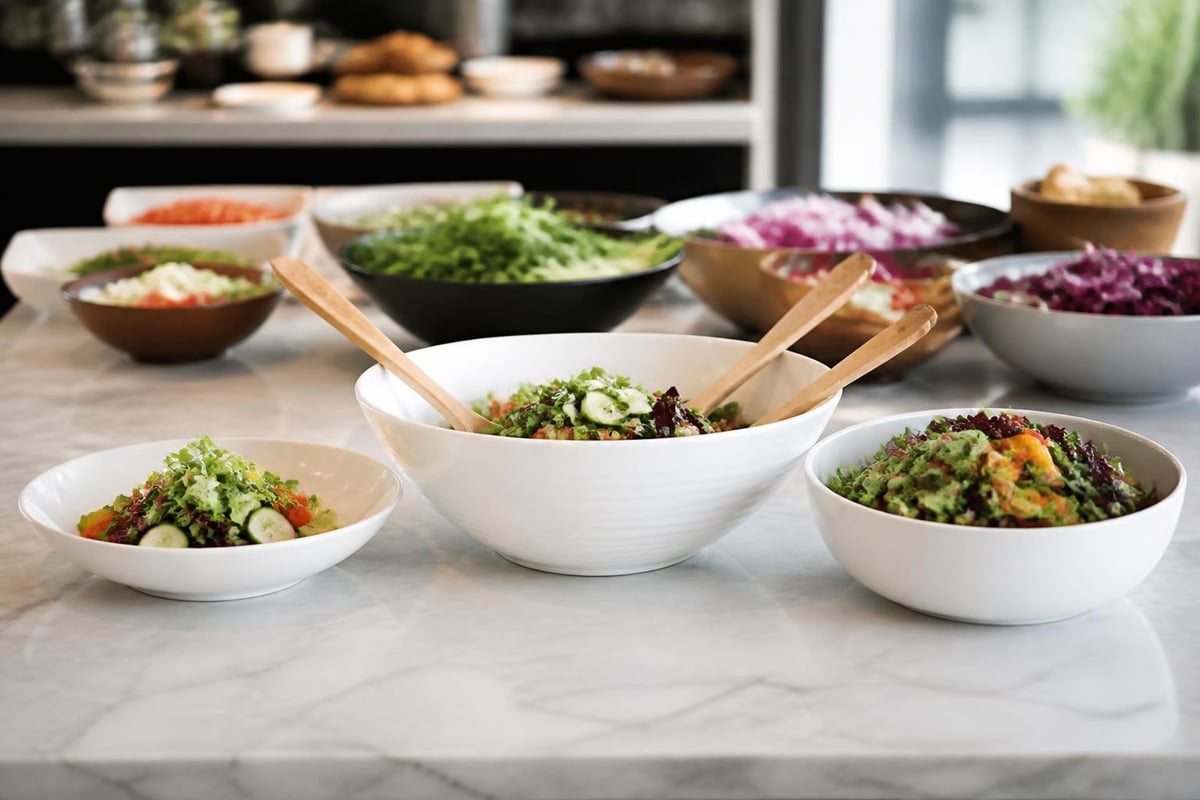
Individual bowls (6-8 inch diameter) work perfectly for composed salads where ingredients are arranged rather than tossed. Family bowls (10-12 inches) accommodate 4-6 servings comfortably. Entertainment bowls (14+ inches) handle dinner parties and gatherings without requiring multiple batches.
Professional caterers often maintain three size tiers:
| Size Category | Diameter | Capacity | Typical Use |
|---|---|---|---|
| Individual | 6-8" | 1-2 servings | Plated courses |
| Family | 10-12" | 4-6 servings | Daily meals |
| Party | 14-16" | 8-12 servings | Gatherings |
| Buffet | 18"+ | 15+ servings | Large events |
Depth Considerations for Different Salad Types
Shallow bowls suit composed salads where ingredients are artfully arranged and dressing served separately. Medium-depth bowls handle tossed green salads with standard vegetables. Deep bowls become essential for hearty grain salads with multiple dense ingredients requiring vigorous mixing.
The relationship between diameter and depth affects tossing efficiency. A 12-inch bowl should measure at least 4-5 inches deep to prevent ingredient escape during mixing. Wider, shallower bowls work better for gentle folding of delicate ingredients.
Care and Maintenance for Longevity
Proper maintenance extends the life of master salad cookware while preserving food safety and aesthetic appeal.
Cleaning Protocols by Material
Wooden pieces require immediate hand washing with mild soap and warm water. Never soak wood, as prolonged moisture exposure causes warping and cracking. After washing, dry immediately and apply food-safe mineral oil monthly to maintain the wood's moisture barrier and prevent splitting.
Stainless steel tolerates dishwasher cycles but hand washing prevents water spots and maintains luster. For stubborn stains, create a paste from baking soda and water, apply gently with a soft cloth, then rinse thoroughly.
Ceramic and glass bowls generally handle dishwasher exposure well. Avoid sudden temperature changes that might cause thermal shock and cracking. If hand washing, use non-abrasive sponges to preserve glazed finishes.
Acrylic and plastic components (common in salad spinners) should be placed on the top dishwasher rack away from heating elements. Check manufacturer specifications, as some plastics degrade under high heat.
Storage Solutions That Protect Investment
Master salad cookware deserves thoughtful storage that prevents damage while maintaining accessibility. Felt dividers between stacked bowls prevent scratches. Dedicated drawer organizers keep servers and tongs separated and easy to locate. Hanging racks for frequently used pieces reduce cabinet clutter.
Salad spinners present storage challenges due to their size. Consider models with collapsible baskets that compress to half-height when not in use. Store spinner lids upside-down inside baskets to consolidate components.
For wooden bowls and servers:
- Store in climate-controlled environments away from heat sources
- Avoid stacking heavy items on top that might cause warping
- Keep away from direct sunlight that can fade and dry wood
- Maintain 30-50% humidity to prevent cracking
Advanced Techniques Using Professional-Grade Tools
Professional master salad cookware enables techniques that elevate salads beyond home-cooking basics.
The Tossing Method and Equipment Impact
Proper tossing distributes dressing evenly while maintaining ingredient integrity. Large wooden hands allow lifting and folding motions that coat leaves without bruising. The wide, slightly cupped shape captures and redistributes ingredients with each movement.
Metal serving forks enable a different technique: piercing and turning, which works better for salads containing pasta, grains, or heartier vegetables. The tines grip ingredients securely, allowing vigorous mixing without slippage.
Bowl shape influences tossing efficiency. Outward-sloping sides create a gentle incline that ingredients naturally slide down during tossing, cycling all components through the dressing zone. Vertical sides require more deliberate lifting motions to achieve even distribution.
Temperature Management and Service
Master salad cookware includes pieces designed for temperature control. Chilled serving bowls with built-in ice chambers keep greens crisp during extended buffet service. Insulated bowls maintain warmth for grain-based salads served hot.
Pre-chilling bowls before assembly prevents premature wilting. Store ceramic or glass bowls in the refrigerator 30 minutes before use. For outdoor events, double-walled bowls provide passive insulation against ambient temperature.
Integration with Modern Kitchen Workflows
Effective master salad cookware integrates seamlessly with contemporary cooking patterns and kitchen organization systems.
Mise en Place and Prep Efficiency
Professional cooks use nested prep bowls (typically 1-4 cup capacity) to organize chopped vegetables, proteins, nuts, and other salad components before final assembly. This French culinary concept of "everything in its place" prevents last-minute scrambling and ensures balanced ingredient distribution.
Segmented serving bowls with divided sections allow presenting customizable salads where diners select their own ingredients. These pieces work particularly well for households with dietary restrictions or picky eaters.
The meal prep movement has increased demand for storage-ready bowls with leak-proof lids. Glass containers with snap-lock lids enable making several days of salads simultaneously, with dressing stored separately in attached compartment containers.
Space Optimization in Compact Kitchens
Urban dwellers and small-space cooking require master salad cookware that maximizes functionality per cubic inch. Collapsible silicone bowls expand for use and flatten for storage. Over-the-sink colander baskets eliminate counter space requirements during washing.
Magnetic tool holders attach to refrigerator sides or range hoods, keeping salad servers accessible without consuming drawer space. Vertical plate racks adapted for bowl storage utilize wall space efficiently while providing visual display of attractive serving pieces.
Investing in quality master salad cookware transforms daily meal preparation from routine task to culinary enjoyment. The right combination of bowls, spinners, servers, and specialty tools streamlines every step while delivering professional results at home. Whether you're building your first collection or upgrading worn pieces, thoughtful selection based on material quality, size appropriateness, and design functionality ensures years of reliable service. Kitchenovaplus offers a carefully curated selection of master salad cookware designed for both everyday use and special occasions, helping you create memorable meals with tools built to last. Explore the complete collection at Kitchenovaplus and discover how the right equipment elevates your salad preparation.
Also in NewsWhether you're looking for practical advice

Professional Cookware: The Complete Guide for 2026

Enamel Cookware: Safety, Performance & Buying Guide

Jamie Oliver Cookware: Quality, Features & Value in 2026
Follow
Sign up to get the latest on sales, new releases and more …
© 2026 Kitchenovaplus.
Powered by Shopify


