
La Cuisine Cookware: Quality Kitchen Essentials Guide
La cuisine cookware represents a category of kitchen tools that combines functional design with accessible quality for home cooks building their essential collections. Understanding what distinguishes reliable cookware from budget alternatives helps you invest wisely in pieces that deliver consistent performance over years of daily use. Whether you're outfitting your first kitchen or upgrading worn pans, knowing how materials, construction methods, and design features impact cooking results ensures you select pieces that match your cooking style and expectations.
Understanding La Cuisine Cookware Construction
The foundation of quality cookware lies in how manufacturers combine metals and apply surface treatments. La cuisine cookware typically features multi-layer construction that addresses the fundamental challenge of cooking: distributing heat evenly while providing durability and easy food release.
Core Material Composition
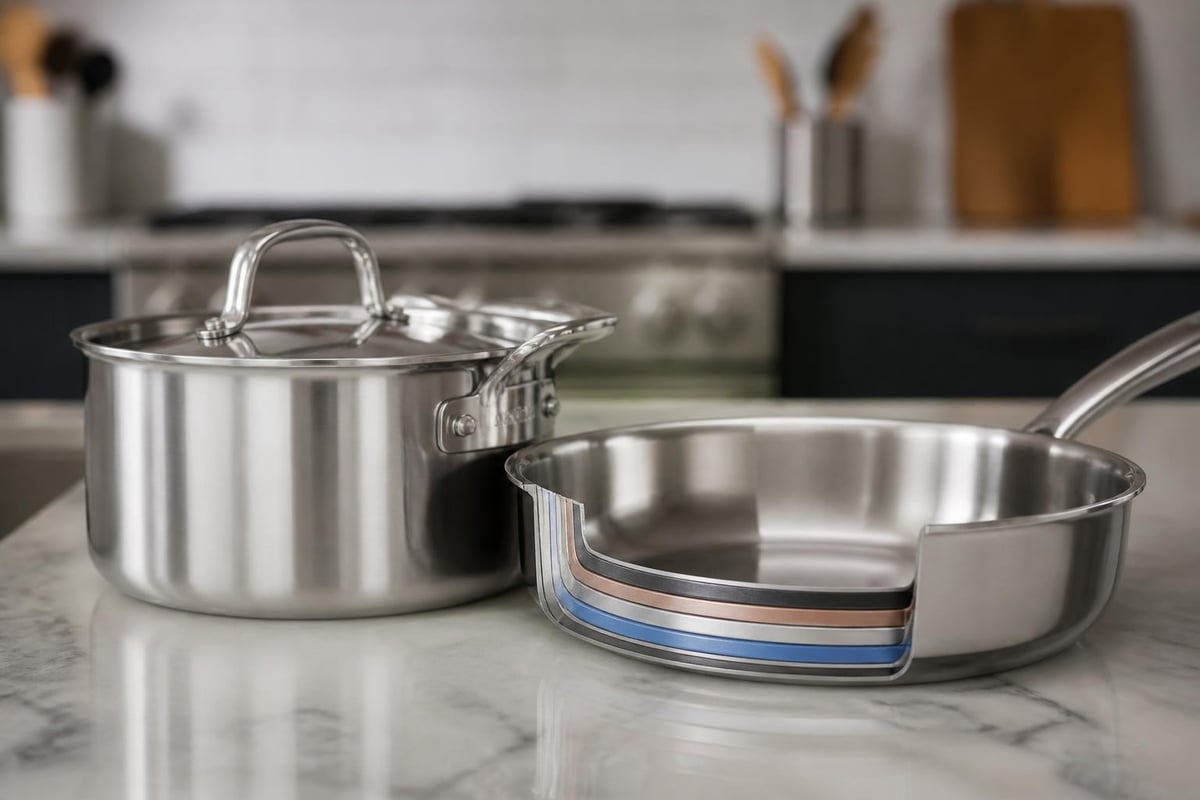
Most modern cookware uses layered construction rather than single-metal designs. This approach combines the strengths of different metals to overcome individual weaknesses.
Common layer configurations include:
- Stainless steel exterior for durability and oven safety
- Aluminum or copper core for rapid, even heat distribution
- Stainless steel interior for non-reactive cooking surface
- Magnetic stainless base layer for induction compatibility
The thickness and quality of each layer directly impact performance. Thicker aluminum cores distribute heat more evenly, reducing hot spots that cause food to stick or burn. However, thickness adds weight and cost, creating a balance between performance and practicality.
Manufacturing Methods That Matter
How manufacturers bond these layers together determines long-term durability. Clad construction extends bonded layers across the entire pan, from base through sidewalls, ensuring consistent heating performance. Disc-base construction bonds layers only at the bottom, offering good stovetop performance at lower cost but less even sidewall heating.
The bonding process itself requires precision. High-quality manufacturers use impact bonding or roll bonding under extreme pressure, creating molecular bonds that withstand thermal expansion and contraction through thousands of heating cycles. Poor bonding leads to delamination where layers separate, creating air gaps that destroy heat transfer efficiency.
| Construction Type | Heat Distribution | Durability | Price Point | Best For |
|---|---|---|---|---|
| Full Clad | Excellent (base + sides) | Superior | Higher | Sauces, simmering, even browning |
| Disc Base | Very Good (base only) | Good | Moderate | Stovetop cooking, budget-conscious |
| Single Layer | Variable | Depends on metal | Lower | Specific tasks (cast iron, carbon steel) |
Surface Coatings and Food Release Technology
The cooking surface determines how easily food releases and how you maintain your cookware. La cuisine cookware options span from traditional bare metal to advanced ceramic-reinforced coatings, each with distinct advantages.
Nonstick Coating Options
Modern nonstick technology has evolved beyond traditional PTFE formulations. According to detailed analysis of ceramic nonstick technology, sol-gel ceramic coatings offer PFAS-free alternatives that appeal to health-conscious cooks, though they require different care and have shorter lifespans than conventional nonstick.
Nonstick coating characteristics:
- Traditional PTFE (Teflon) - Superior food release, metal utensil sensitivity, 2-5 year lifespan with proper care
- Ceramic sol-gel - PFAS-free, requires more fat/oil, 1-2 year optimal performance window
- Reinforced hybrid - Ceramic particles in PTFE matrix, improved scratch resistance, moderate durability
- Diamond or titanium reinforced - Marketing terms for particle-enhanced coatings, performance varies by manufacturer
The choice between coating types depends on your priorities. Traditional nonstick excels at food release but raises concerns for some consumers about PFAS chemicals, despite being safe when used properly below 500°F. Ceramic alternatives address those concerns but demand more frequent replacement.
Bare Metal Cooking Surfaces
Stainless steel, cast iron, and carbon steel require technique but offer unmatched durability and versatility. These surfaces develop natural nonstick properties through proper preheating and fat management. Consumer Reports' comprehensive frying pan testing demonstrates that well-designed stainless steel can match nonstick performance for many foods when used correctly.
Bare metal advantages:
- Metal utensil safe without restrictions
- Oven safe to 500°F or higher
- Develops fond for deglazing and sauce building
- Indefinite lifespan with proper maintenance
- No coating degradation concerns
The learning curve for bare metal cooking discourages some cooks, but mastering temperature control and proper preheating unlocks superior browning and flavor development that coated pans cannot match.
Performance Features in Daily Cooking
Beyond materials and coatings, design details separate functional cookware from frustrating tools. La cuisine cookware should incorporate thoughtful features that enhance usability across different cooking methods.
Handle Design and Heat Management
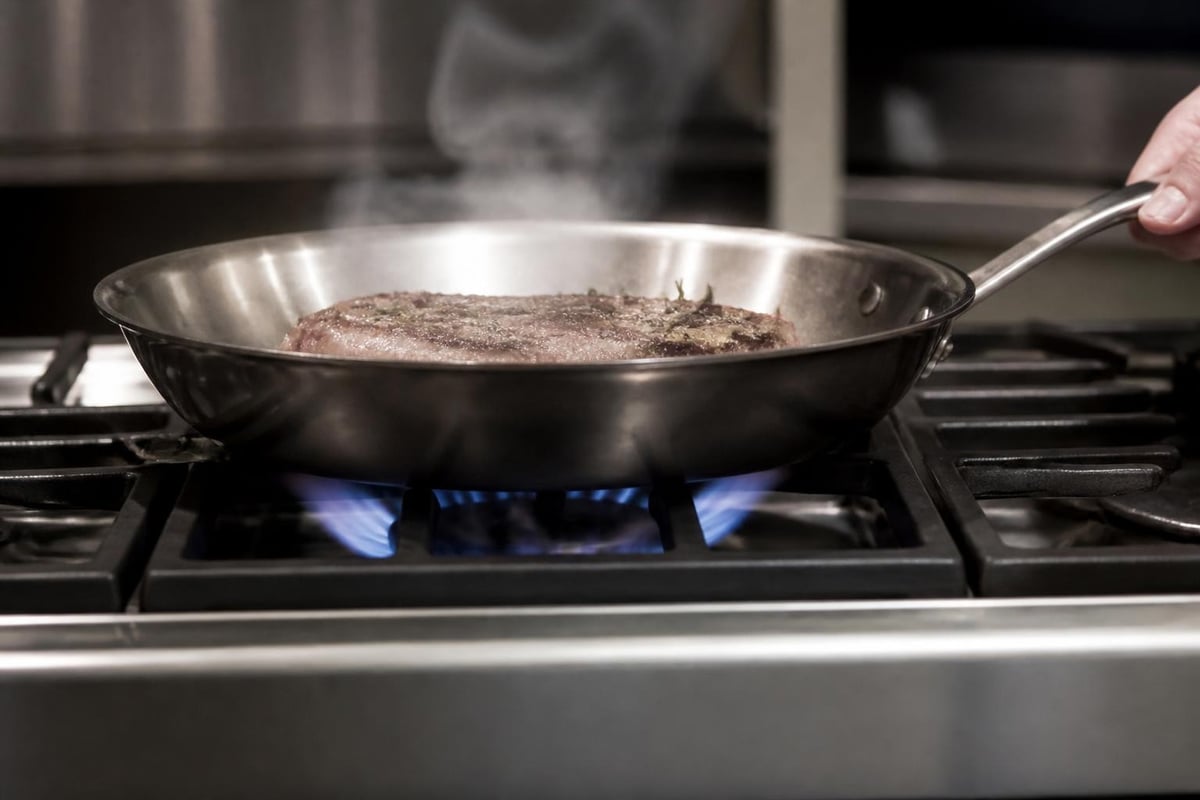
Handles endure extreme temperature gradients, making their construction critical for safety and longevity. Quality handles use materials with low thermal conductivity (stainless steel or cast stainless) and incorporate air gaps or hollow construction to minimize heat transfer to your hand.
Riveted handles create permanent attachments stronger than welded or screwed alternatives. However, rivets inside the cooking surface create crevices that trap food particles. Some manufacturers use welded handles or seamless construction to eliminate these cleaning challenges, though welding quality varies significantly between brands.
Lid Fit and Steam Management
Properly fitted lids trap heat and moisture efficiently, reducing cooking times and energy consumption. Quality lids feature:
- Slight dome shape to encourage condensation runoff
- Tempered glass for visibility during cooking
- Stainless steel rim that matches pan diameter precisely
- Steam vents sized to prevent boil-overs while maintaining pressure
Lid handles should remain cool during stovetop use and be oven-safe to the same temperature as the pan body. This allows you to start dishes on the stovetop and finish them in the oven without transferring to different cookware.
Safety and Regulatory Considerations
Food safety extends beyond proper cooking temperatures to the materials contacting your ingredients. Understanding regulatory frameworks helps you evaluate manufacturer claims about cookware safety.
Material Safety Standards
Stainless steel quality varies dramatically based on alloy composition. The Finnish Food Authority guidance on metal food contact materials explains how chromium and nickel content affects both corrosion resistance and potential metal migration into acidic foods.
Stainless steel grades in cookware:
| Grade | Composition | Characteristics | Typical Use |
|---|---|---|---|
| 18/10 | 18% chromium, 10% nickel | Highest corrosion resistance, premium finish | Interior cooking surfaces |
| 18/8 | 18% chromium, 8% nickel | Excellent balance of properties | General cookware construction |
| 18/0 | 18% chromium, 0% nickel | Magnetic (induction), slightly less corrosion resistant | Exterior layers, induction base |
Higher nickel content improves corrosion resistance and creates the mirror-finish polish associated with premium cookware. However, individuals with severe nickel sensitivities should consider 18/0 stainless or alternative materials like hard-anodized aluminum.
Coating Safety and Temperature Limits
All nonstick coatings have maximum safe operating temperatures. Exceeding these limits degrades coating performance and, in some cases, releases harmful fumes. La cuisine cookware with nonstick surfaces should include clear temperature guidance, typically 350-400°F for ceramic coatings and 450-500°F for PTFE formulations.
Safe nonstick practices:
- Never preheat empty nonstick pans
- Use low to medium heat settings
- Avoid broiler use with nonstick cookware
- Replace pans when coatings show visible damage
- Ensure adequate ventilation during cooking
These limitations make nonstick unsuitable for high-heat techniques like searing or stir-frying, where bare metal cookware excels.
Selecting La Cuisine Cookware for Your Kitchen
Building a functional cookware collection requires matching pieces to your actual cooking patterns rather than purchasing complete sets with items you'll rarely use.
Essential Pieces vs. Specialized Tools
According to Consumer Reports' cookware buying guidance, most home cooks need only four core pieces: a 10-inch skillet, 12-inch skillet, 3-quart saucepan with lid, and 8-quart stockpot. Additional specialized pieces should address specific techniques you use regularly.
Core collection priorities:
- 10-inch nonstick skillet - Eggs, fish, delicate foods
- 12-inch stainless steel skillet - Searing, deglazing, oven finishing
- 3-quart saucepan - Grains, small-batch soups, reheating
- 8-quart stockpot - Pasta, stocks, large-batch cooking
Specialized additions might include a braiser for one-pot meals, a sauté pan with straight sides for larger volumes, or a grill pan for year-round indoor grilling. Purchase these pieces only after you've identified gaps in your current collection.
Compatibility with Your Cooking Surface
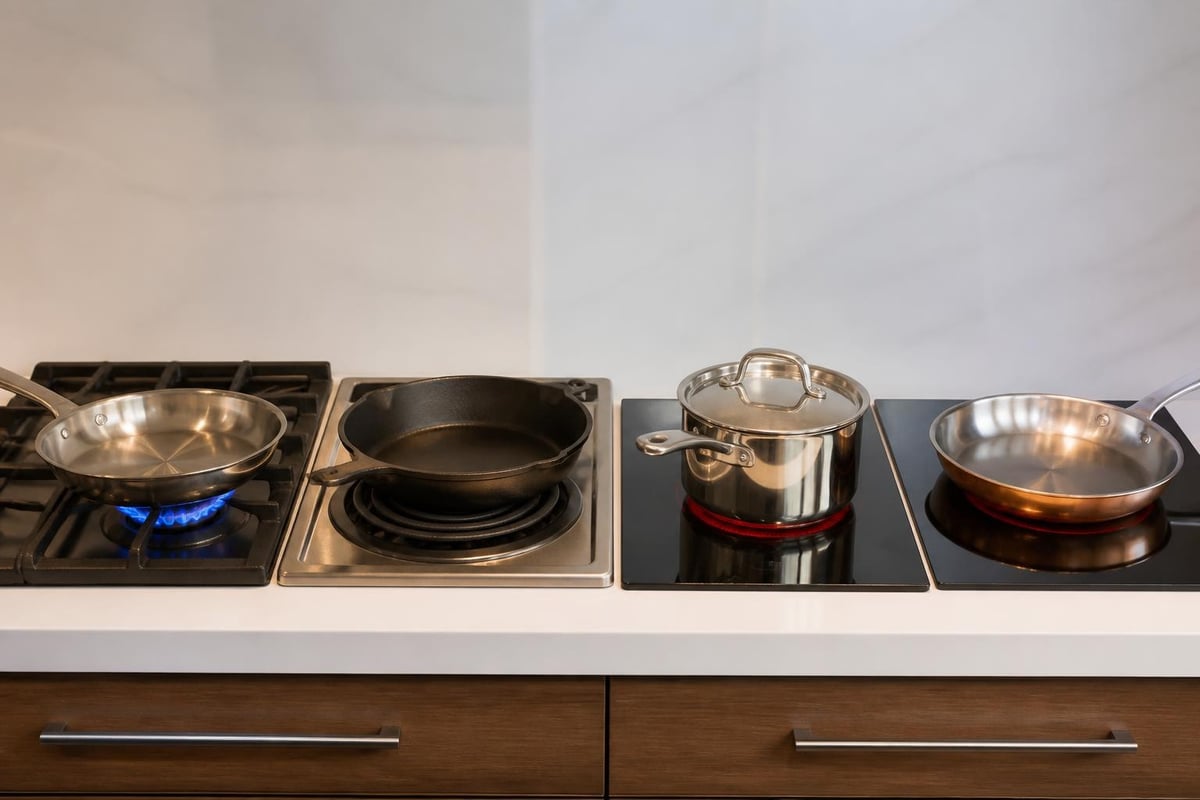
Different cooktops demand specific cookware characteristics. Induction requires magnetic base materials (stainless steel or cast iron). Gas works with any material but benefits from heavier construction that resists warping. Glass-top electric needs flat, smooth bottoms to maximize contact.
| Cooktop Type | Required Features | Optimal Materials | Avoid |
|---|---|---|---|
| Induction | Magnetic base | Stainless steel, cast iron, magnetic stainless base | Pure aluminum, copper, glass |
| Gas | Heat-resistant handles | Any, heavier weights preferred | Very thin metals that warp |
| Electric Coil | Flat bottom | Medium to heavy gauge | Extremely heavy pieces (damaged coils) |
| Glass/Ceramic | Smooth, flat bottom | Stainless, anodized aluminum | Rough-bottom cast iron, warped pans |
Test induction compatibility with a magnet before purchasing. If a magnet sticks firmly to the pan bottom, it will work on induction cooktops.
Maintenance Practices That Extend Cookware Life
Proper care directly impacts how long your cookware maintains its performance and appearance. La cuisine cookware investments deserve maintenance practices that preserve their functionality.
Daily Cleaning Methods
Different materials require distinct cleaning approaches. Stainless steel tolerates aggressive scrubbing and dishwasher use, though hand washing preserves finish quality. Nonstick surfaces demand gentle cleaning with soft sponges and non-abrasive detergents.
Material-specific cleaning:
- Stainless steel - Bar Keeper's Friend removes stains, vinegar dissolves mineral deposits, baking soda paste tackles burnt food
- Nonstick coatings - Warm soapy water with soft cloth, avoid abrasive pads, never use aerosol cooking sprays (they create residue)
- Cast iron - Minimal soap, immediate drying, thin oil coating after each use
- Hard-anodized aluminum - Hand wash only, avoid dishwasher (damages anodized layer)
Heat discoloration on stainless steel is cosmetic and doesn't affect performance. However, pitting from salt or acidic ingredients indicates corrosion that can worsen over time.
Storage and Organization
Proper storage prevents scratching, denting, and warping. Nesting pans should have protective layers (pan protectors, paper towels, or dish towels) between surfaces. Hanging storage works well for heavier pieces but requires secure mounting capable of supporting weight.
Storage best practices:
- Store lids separately to prevent rim damage
- Nest pans carefully with protective layers
- Avoid storing wet cookware (promotes corrosion)
- Keep nonstick surfaces protected from metal utensils during storage
- Ensure adequate ventilation to prevent moisture accumulation
Warped pans often result from thermal shock (cold water on hot pans) rather than storage issues. Always allow cookware to cool gradually before washing.
Value Assessment and Investment Priorities
Price differences in cookware reflect material quality, manufacturing precision, and brand positioning. Understanding what justifies premium pricing helps you allocate budget to features that matter for your cooking.
When Premium Investment Makes Sense
Higher-priced la cuisine cookware typically offers thicker construction, better heat distribution, more durable surface treatments, and stronger handle attachment. These improvements deliver measurable performance benefits for serious home cooks who use their equipment daily.
Premium features worth paying for:
- Full-clad construction (vs. disc-base) for even heating
- Thicker gauge metals (2.5mm+ total thickness)
- Reinforced nonstick coatings with longer warranties
- Precision-fitted lids that seal properly
- Helper handles on larger pieces for safe lifting
Conversely, decorative elements like colored exteriors or brand prestige add cost without improving cooking performance. Focus budget on construction quality rather than aesthetic details.
Mid-Range Options That Deliver Performance
Quality la cuisine cookware exists across price points. Mid-range options often provide excellent performance by focusing on functional design rather than premium finishes or extensive marketing.
Evaluate mid-range cookware on the same criteria as premium lines: construction method, material thickness, handle attachment quality, and warranty coverage. Many house brands from reputable retailers offer construction quality rivaling premium brands at significantly lower prices.
Heat Distribution and Cooking Control
Even heat distribution separates functional cookware from tools that create hot spots and uneven cooking. Understanding how different constructions manage heat helps you select pieces appropriate for specific techniques.
Thermal Conductivity Across Materials
Different metals conduct heat at vastly different rates, affecting how quickly pans heat up and how evenly they distribute that heat across the cooking surface.
Thermal conductivity comparison:
| Material | Conductivity (W/m·K) | Heat-Up Speed | Evenness | Cost Factor |
|---|---|---|---|---|
| Copper | 400 | Fastest | Excellent | Highest |
| Aluminum | 205 | Very Fast | Very Good | Low |
| Carbon Steel | 50 | Fast | Moderate | Low |
| Stainless Steel | 15 | Slow | Poor (alone) | Moderate |
| Cast Iron | 55 | Very Slow | Moderate (once heated) | Low |
La cuisine cookware addresses stainless steel's poor conductivity by sandwiching aluminum or copper cores between stainless layers. This construction provides stainless steel's durability and non-reactive properties while delivering the heat distribution of more conductive metals.
Responsive Temperature Control
Responsive cookware adjusts quickly when you change heat settings, providing precise control for techniques like sauce reduction or sautéing. Thinner, more conductive materials respond faster but may create hot spots. Thicker, multi-layer construction responds more slowly but distributes heat more evenly.
Matching construction to technique:
- Quick sautés, stir-fries - Thinner carbon steel or aluminum-core stainless
- Gentle simmering, sauce reduction - Thicker clad construction with even heating
- High-heat searing - Heavy stainless or cast iron that maintains temperature
- Delicate foods - Responsive nonstick with good heat distribution
Professional kitchens often maintain collections with different construction types to match specific cooking methods, though home cooks typically need versatile middle-ground options that handle multiple techniques adequately.
Warranty Coverage and Manufacturer Support
Warranty terms reveal manufacturer confidence in their products and provide recourse when defects appear. Quality la cuisine cookware should include substantial warranty coverage that protects your investment.
Understanding Warranty Limitations
Most cookware warranties cover manufacturing defects but exclude damage from misuse, normal wear, or coating degradation. Read warranty terms carefully to understand what qualifies as covered defects versus expected wear patterns.
Common warranty exclusions:
- Nonstick coating wear from normal use
- Heat discoloration on stainless steel
- Warping from thermal shock or overheating
- Scratches from metal utensils or abrasive cleaning
- Damage from dishwasher use (if not dishwasher-rated)
Lifetime warranties on nonstick cookware typically cover base construction only, not coating performance. Expect nonstick surfaces to require replacement every 2-5 years regardless of warranty coverage.
Customer Service and Replacement Processes
Quality manufacturers provide straightforward warranty claims processes with reasonable response times. Before purchasing, research customer service reputation and replacement procedures. Some brands require shipping damaged items back at your expense, while others provide advance replacements.
Evaluating manufacturer support:
- Warranty claim process clarity and accessibility
- Response time for customer service inquiries
- Replacement part availability (lids, handles)
- Direct purchase options for building sets gradually
- Care instructions and cooking guidance resources
Strong manufacturer support adds value beyond the cookware itself, helping you maximize performance and address issues quickly when they arise.
Selecting quality la cuisine cookware requires balancing material science, construction methods, and practical features against your cooking style and budget constraints. The right pieces deliver consistent performance through thousands of meals, justifying their investment through reliability and versatility. At Kitchenovaplus, we curate cookware collections that prioritize functional design and proven performance, helping you build a kitchen equipped for culinary success. Explore our selection to find la cuisine cookware that matches your needs and elevates your daily cooking.
Also in NewsWhether you're looking for practical advice

Professional Cookware: The Complete Guide for 2026

Enamel Cookware: Safety, Performance & Buying Guide

Jamie Oliver Cookware: Quality, Features & Value in 2026
Follow
Sign up to get the latest on sales, new releases and more …
© 2026 Kitchenovaplus.
Powered by Shopify


