
Cookware Pots: Complete Guide to Choosing the Best
Selecting the right cookware pots transforms everyday cooking from a chore into a pleasure. Whether you're simmering a delicate sauce, boiling pasta for a family dinner, or slow-cooking a hearty stew, the quality and type of pot you use directly impacts your results. Understanding the materials, construction methods, and care requirements of different cookware pots helps you build a kitchen arsenal that performs reliably for years. This comprehensive guide explores everything you need to know about choosing, using, and maintaining the pots that will become your most trusted kitchen tools.
Understanding Cookware Pot Materials
The material composition of your cookware pots determines how they conduct heat, how much maintenance they require, and how long they'll last. Each material offers distinct advantages and challenges that suit different cooking styles and preferences.
Stainless Steel: The Versatile Workhorse
Stainless steel cookware pots have earned their place in professional and home kitchens alike. These pots resist corrosion, maintain their appearance over decades, and work seamlessly with all types of stovetops including induction. The best cookware materials vary based on cooking needs, but stainless steel consistently ranks high for versatility.
Key benefits of stainless steel pots include:
- Non-reactive surface that won't alter food flavors
- Dishwasher-safe for easy cleanup
- Oven-safe to high temperatures
- Highly durable and scratch-resistant
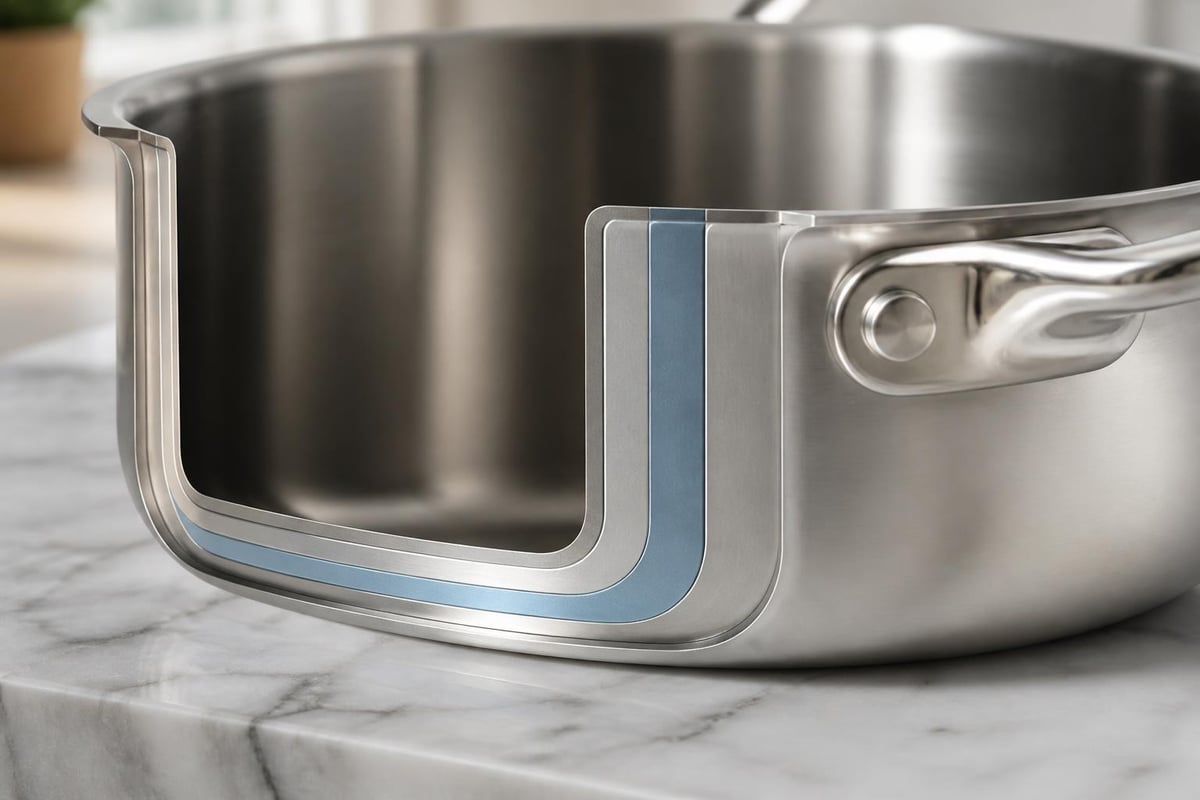
However, pure stainless steel conducts heat poorly. Quality manufacturers address this by creating multi-ply construction with aluminum or copper cores. These layers distribute heat evenly across the cooking surface, preventing hot spots that burn food.
Cast Iron: Traditional Heat Retention
Cast iron cookware pots excel at heat retention and developing natural nonstick properties through proper seasoning. These heavy-duty pots distribute heat evenly once preheated and maintain consistent temperatures during cooking. The University of Maine Extension guide on cast iron provides research-backed guidance on maintaining these durable pieces.
Cast iron requires specific care protocols. Season your pots regularly with thin layers of oil heated until polymerized. Avoid prolonged contact with acidic foods that can degrade seasoning. Hand wash and dry immediately to prevent rust formation.
Research shows cast iron pots can contribute dietary iron. A peer-reviewed study on iron release from cookware demonstrates measurable iron transfer into foods, particularly beneficial for those with iron deficiencies.
Aluminum and Copper: Superior Heat Conductors
The thermal properties of cookware materials significantly impact cooking performance. According to NIST thermal conductivity data, copper conducts heat approximately 20 times better than stainless steel, while aluminum offers excellent conductivity at a lower price point.
| Material | Thermal Conductivity | Reactivity | Maintenance Level | Price Range |
|---|---|---|---|---|
| Copper | Excellent | Moderate | High | $$$ - $$$$ |
| Aluminum | Very Good | High (uncoated) | Low | $ - $$ |
| Stainless Steel | Poor (alone) | None | Low | $$ - $$$ |
| Cast Iron | Good | Moderate | Moderate | $ - $$ |
Pure aluminum reacts with acidic and alkaline foods, so manufacturers typically anodize aluminum pots or use them as core layers in clad construction. Copper pots often feature stainless steel or tin linings to prevent copper from leaching into food.
Essential Types of Cookware Pots
Building a functional kitchen requires understanding which pot types serve which purposes. Each design addresses specific cooking techniques and recipe requirements.
Stockpots and Large-Capacity Pots
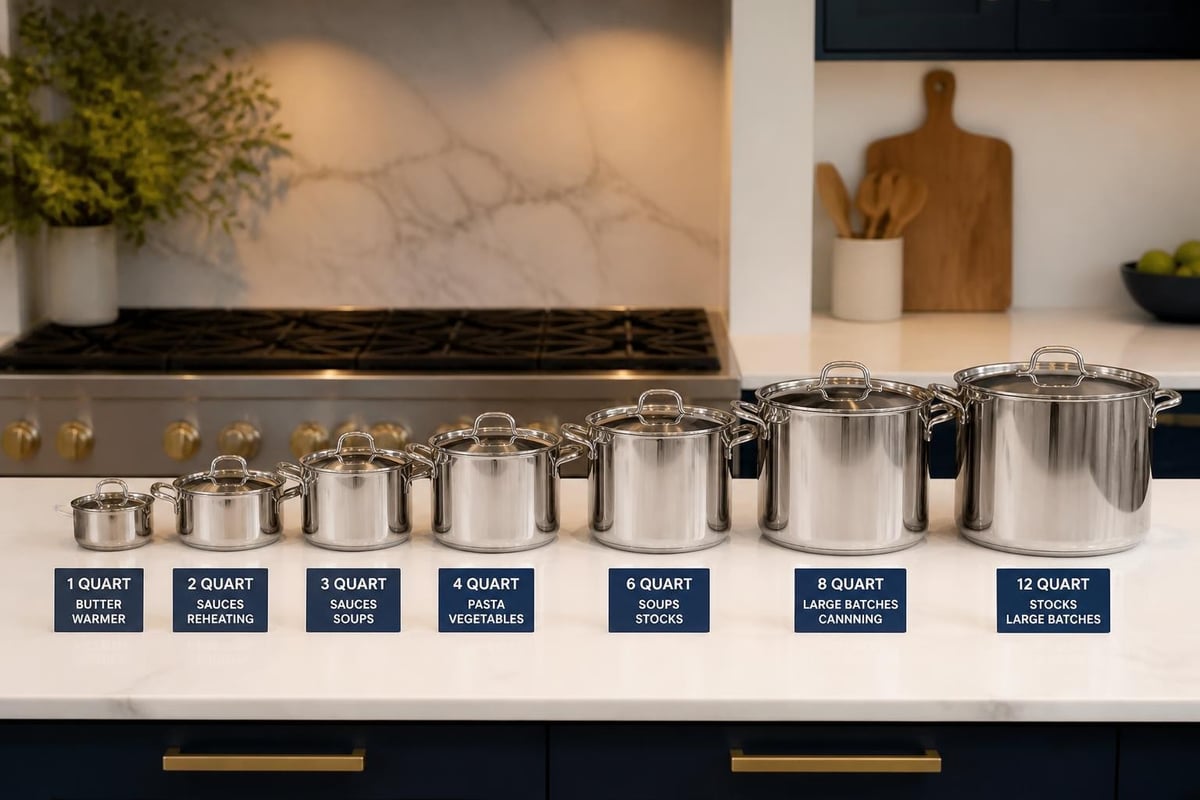
Stockpots range from 8 to 20 quarts and feature tall, straight sides that minimize evaporation. These cookware pots excel at:
- Making stocks and broths
- Boiling pasta and corn
- Canning and preserving
- Preparing large-batch soups
- Blanching vegetables
Look for stockpots with thick, encapsulated bases that prevent scorching when cooking bone broths for hours. Tight-fitting lids trap heat and moisture efficiently.
Saucepans for Precision Cooking
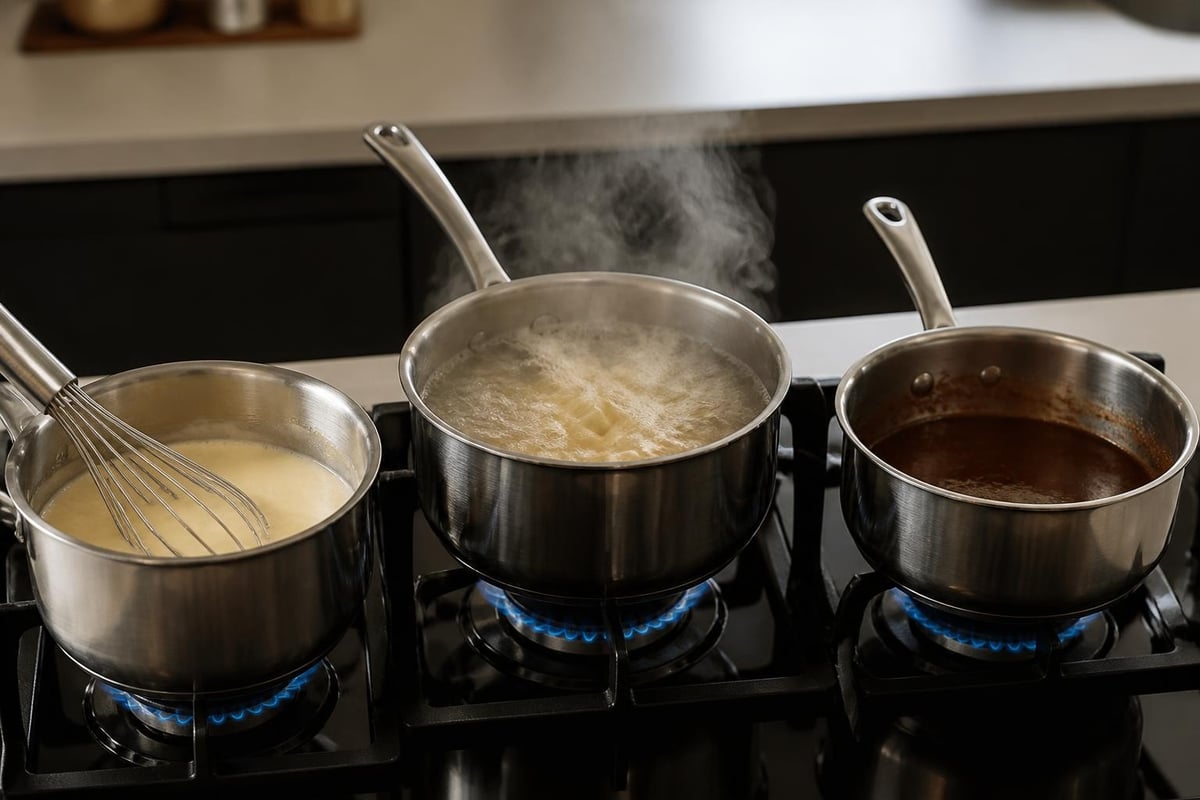
Saucepans typically range from 1 to 4 quarts with one long handle and sometimes a helper handle on larger sizes. The rounded bottom edges facilitate whisking and stirring. Use saucepans for sauces, grains, small portions of vegetables, and reheating leftovers.
Multi-ply construction matters most in saucepans where temperature control prevents curdling dairy or burning delicate sauces. Pour spouts on both sides add convenience for right- and left-handed cooks.
Dutch Ovens and Multi-Purpose Pots
Dutch ovens bridge the gap between pots and cookware designed for oven use. These heavy, lidded pots with 4-7 quart capacities handle stovetop and oven cooking equally well. Enameled cast iron Dutch ovens combine cast iron's heat retention with easy-care, non-reactive surfaces.
Ideal Dutch oven applications:
- Braising tough cuts of meat
- Baking artisan bread
- One-pot meals and casseroles
- Deep frying with temperature stability
- Slow-cooking stews and chilis
The University of Illinois Extension's cast-iron guide offers additional insights on when to choose traditional versus enameled cast iron cookware pots.
Evaluating Construction Quality
Manufacturing methods dramatically affect how cookware pots perform and endure daily use. Understanding construction details helps you identify quality pieces worth the investment.
Disc Base Versus Fully-Clad Construction
Budget cookware pots often feature disc bases: a thick aluminum or copper disc welded to the bottom of a thinner stainless steel pot. This construction concentrates heat distribution at the base but leaves sidewalls thin and reactive to temperature changes.
Fully-clad (or tri-ply, five-ply) construction sandwiches conductive metal layers throughout the entire pot body. Heat spreads evenly from bottom to rim, preventing scorching and creating uniform cooking temperatures. This method costs more but delivers superior performance, especially for techniques requiring precise heat control.
Handle Attachment and Design
Handle failure represents a common cookware pot problem. Riveted handles provide the strongest attachment, penetrating the pot wall and secured from inside with metal backing. Welded handles create seamless interiors easy to clean but may eventually fail under stress.
Evaluate handle comfort and heat resistance before purchasing. Handles should:
- Stay cool during stovetop cooking or include heat-resistant coatings
- Balance the pot's weight when filled
- Provide secure grip even when wet
- Attach with multiple rivets or heavy-duty welds
Helper handles on opposite sides of large pots facilitate safe transport when moving heavy loads.
Sizing Your Cookware Pot Collection
Strategic pot sizing prevents both overcrowding and underutilization. Building a core collection addresses most cooking scenarios without cluttering cabinets.
The Essential Three-Pot Foundation
Most home cooks thrive with three primary cookware pots:
Small saucepan (2 quarts): Heating milk, making small sauce batches, cooking oatmeal, reheating single portions.
Medium saucepan or sauté pan (4 quarts): Weeknight pasta sauces, rice and grains for four people, blanching vegetables, general-purpose cooking.
Large stockpot (8-12 quarts): Pasta water, stocks, soups, corn on the cob, batch cooking, canning projects.
This foundation covers approximately 80% of typical cooking tasks. Additional specialty pots address specific needs as your cooking evolves.
Matching Pot Size to Burner Size
Efficiency and safety require matching pot diameter to burner size. Oversized pots on small burners waste energy and cook unevenly. Undersized pots on large burners expose handles to excessive heat.
| Burner Size | Optimal Pot Diameter | Typical Pot Types |
|---|---|---|
| Small (6") | 6-8 inches | 1-2 quart saucepans |
| Medium (8") | 8-10 inches | 3-4 quart pots, sauté pans |
| Large (10-12") | 10-14 inches | 6+ quart stockpots, Dutch ovens |
Check pot bases to ensure they sit flat on your cooktop. Warped bases rock and create uneven contact with heating elements.
Care and Maintenance Best Practices
Proper maintenance extends the functional life of cookware pots from years to decades. Each material demands specific care protocols that preserve performance and appearance.
Daily Cleaning Methods
Stainless steel cookware pots: Wash with hot soapy water or run through the dishwasher. Remove stuck-on food with Bar Keeper's Friend or baking soda paste. Avoid abrasive scrubbers that scratch surfaces, though stainless steel tolerates more aggressive cleaning than other materials.
Cast iron pots: Hand wash with minimal soap while still warm. Stubborn residue responds to coarse salt scrubbing. Dry completely over low heat to prevent rust. Apply thin oil layers after each wash to maintain seasoning.
Nonstick cookware pots: Use soft sponges and gentle detergents only. Never use metal utensils, abrasive cleaners, or high heat that degrades nonstick coatings. Most nonstick pots aren't dishwasher-safe despite manufacturer claims.
Removing Stains and Discoloration
Heat tint and water spots commonly affect stainless steel cookware pots. Create a paste from baking soda and water, apply to discolored areas, and scrub gently with a soft cloth. For stubborn rainbow heat stains, use diluted white vinegar.
Mineral deposits from hard water require acidic solutions. Boil a mixture of one part vinegar to three parts water in affected pots, then scrub and rinse thoroughly. This treatment also works for removing calcium buildup.
Storage Solutions That Prevent Damage
Stack cookware pots carefully to prevent scratching and denting. Place felt pot protectors, dish towels, or paper plates between nested pots. Hang pots from ceiling racks or wall-mounted systems to maximize cabinet space and prevent contact damage.
Store lids separately using vertical organizers or mounted racks. Forcing lids into cramped spaces bends rims and compromises seal quality.
Performance Features Worth Considering
Modern cookware pots incorporate design features that enhance functionality and user experience. Identifying valuable features versus marketing gimmicks requires understanding how you actually cook.
Glass Lids and Visibility
Tempered glass lids allow monitoring without releasing heat and moisture. Look for lids with steam vents that prevent pressure buildup and boil-overs. Metal lids retain heat better but require lifting to check progress.
Quality glass lids feature stainless steel rims that resist chipping and maintain structural integrity. Knobs should stay cool during cooking or include silicone covers.
Measurement Markings and Pour Spouts
Interior volume markings eliminate the need for measuring cups when adding liquids. These markings prove especially helpful for recipes requiring specific ratios or when making stocks and soups.
Integrated pour spouts on both sides accommodate right- and left-handed users and reduce drips when transferring liquids. Some cookware pots feature straining lids with built-in holes for draining pasta or vegetables.
Induction Compatibility
Induction cooktops require magnetic cookware pots. Stainless steel and cast iron work naturally with induction, while aluminum and copper need magnetic bases. Test compatibility by checking if a magnet sticks firmly to the pot bottom.
Induction-ready cookware pots often display specific symbols but verification testing provides certainty. Fully-clad stainless steel with magnetic outer layers performs best on induction surfaces.
Choosing Pots for Specific Cooking Techniques
Different cooking methods demand specific pot characteristics. Matching cookware pots to techniques produces better results and makes cooking more enjoyable.
Low-and-Slow Cooking Requirements
Braising, simmering stocks, and making soups require excellent heat retention and distribution. Heavy-gauge cookware pots maintain steady temperatures without hot spots that cause scorching. Cast iron and thick-walled stainless steel excel here.
Look for pots with thick bases (at least 3mm for stainless, 5mm for cast iron) and heavy lids that trap moisture. Wide, shallow Dutch ovens expose more surface area for browning before adding liquid.
High-Heat Techniques and Materials
Searing, reducing sauces, and rapid boiling demand pots that respond quickly to temperature changes. Copper and aluminum core construction provides superior responsiveness. Thin-walled pots heat and cool faster but risk warping under thermal stress.
Avoid nonstick cookware pots for high-heat applications. Most nonstick coatings degrade above 500°F, releasing potentially harmful fumes and losing their nonstick properties permanently.
Acidic Foods and Reactive Materials
Tomato sauces, citrus-based recipes, and vinegar preparations require non-reactive cookware pots. Stainless steel and enameled cast iron handle acidic foods safely without imparting metallic flavors or discoloring.
Bare aluminum and unlined copper react with acids, affecting taste and potentially leaching metals into food. If you frequently cook acidic dishes, prioritize stainless steel or enameled options.
Budget Considerations and Value Assessment
Cookware pots represent significant kitchen investments. Understanding where to allocate your budget maximizes value and performance.
When Premium Prices Deliver Value
High-quality cookware pots from established manufacturers often carry lifetime warranties and superior construction. These investments make sense for:
- Pots you'll use daily (primary saucepan, workhorse stockpot)
- Pieces requiring precise temperature control (sauce pans, small sauciers)
- Items exposed to high stress (large capacity pots, oven-to-table pieces)
Premium materials like copper exteriors and thick fully-clad construction command higher prices but deliver measurable performance advantages. The Consumer Reports cookware buying guide provides test-backed ratings that help identify which premium features truly matter.
Acceptable Budget Alternatives
Certain cookware pots perform adequately at lower price points:
Large stockpots: Since these primarily boil water or simmer liquids, disc-base construction suffices. Invest in thick bases to prevent scorching, but sidewall thickness matters less.
Specialty pots: Items used occasionally (asparagus pots, egg poachers, double boilers) don't warrant premium pricing. Mid-range options serve these limited roles effectively.
Backup pieces: Extra pots for holiday cooking or large gatherings can prioritize capacity over construction quality.
| Investment Level | Recommended Allocation | Typical Features |
|---|---|---|
| Premium ($200+) | Daily-use saucepans, main stockpot | Fully-clad, lifetime warranty, superior handles |
| Mid-range ($75-200) | Specialty pots, Dutch ovens | Disc base or entry-level clad, good warranty |
| Budget ($25-75) | Large stockpots, occasional-use items | Basic construction, functional performance |
Cookware Pot Sets Versus Individual Pieces
Deciding between complete sets and individual cookware pots depends on your current kitchen situation and cooking habits.
Benefits of Complete Sets
Cookware sets offer cost savings compared to buying individual pieces. Sets ensure aesthetic consistency and often include both pots and complementary pans. First-time kitchen setups benefit from comprehensive sets that cover basic needs immediately.
However, sets frequently include sizes or pieces you'll rarely use. The 1-quart saucepan and 8-inch skillet in many sets see minimal action in most kitchens.
Strategic Individual Piece Selection
Building collections piece-by-piece costs more initially but ensures each cookware pot serves your specific needs. This approach allows mixing materials strategically: stainless steel saucepans for versatility, cast iron Dutch oven for braising, copper saucier for delicate sauces.
Start with these essential individual pieces:
- High-quality 3-quart saucepan (daily use justifies premium investment)
- 8-12 quart stockpot (mid-range disc base suffices)
- 5-6 quart Dutch oven (enameled cast iron or heavy stainless)
Add specialty cookware pots as specific needs emerge: double boilers for chocolate work, pasta pots with built-in strainers, or small butter warmers for sauce making.
Selecting the right cookware pots elevates your cooking results while providing reliable tools that last for decades. Understanding materials, construction methods, and care requirements empowers you to build a collection perfectly suited to your cooking style and kitchen needs. Whether you're equipping your first kitchen or upgrading well-worn pieces, Kitchenovaplus offers expertly curated cookware pots across all price ranges and materials to help you cook with confidence and achieve consistent, delicious results every time you step into the kitchen.
Also in NewsWhether you're looking for practical advice

Professional Cookware: The Complete Guide for 2026

Enamel Cookware: Safety, Performance & Buying Guide

Jamie Oliver Cookware: Quality, Features & Value in 2026
Follow
Sign up to get the latest on sales, new releases and more …
© 2026 Kitchenovaplus.
Powered by Shopify


