
Green Kitchenware: Sustainable Choices for Your Home
The movement toward sustainable living has transformed every corner of the modern home, and the kitchen stands at the forefront of this revolution. Green kitchenware represents more than a passing trend; it reflects a fundamental shift in how consumers approach cooking, food preparation, and daily household routines. From non-toxic cookware to biodegradable utensils, these products promise to reduce environmental footprint without sacrificing functionality or durability. As awareness grows around the impact of conventional kitchen products on both personal health and planetary wellbeing, more households are seeking alternatives that align with their values while delivering the performance expected from professional-grade tools.
Understanding Green Kitchenware Materials
The foundation of any sustainable kitchen product lies in its material composition. Traditional kitchenware often contains chemicals and compounds that raise environmental and health concerns, prompting manufacturers to develop cleaner alternatives.
Natural and Renewable Materials
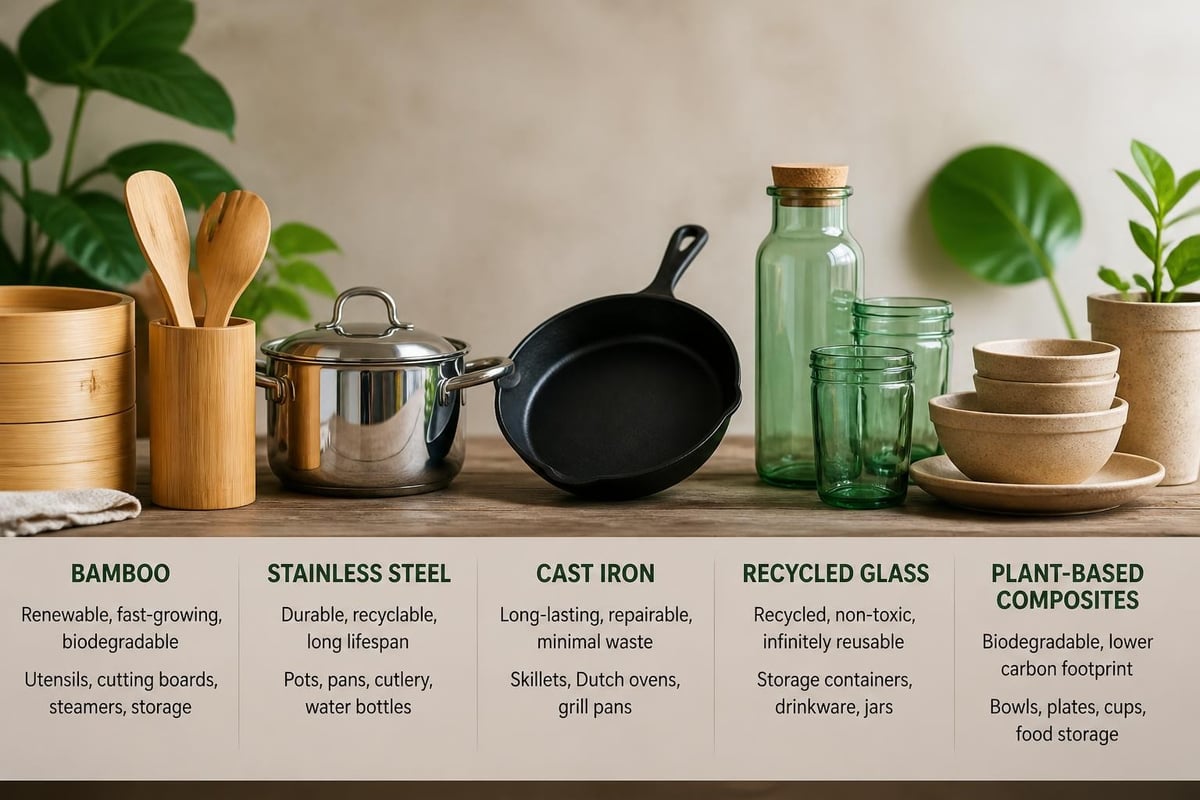
Bamboo has emerged as a frontrunner in green kitchenware manufacturing. This rapidly renewable grass grows to harvest size in three to five years, compared to decades for hardwood trees. Bamboo cutting boards, utensils, and storage containers offer natural antimicrobial properties alongside impressive durability. Similarly, sustainably harvested wood from certified forests provides another excellent option for cooking tools and serving pieces.
Stainless steel represents a cornerstone material for eco-conscious kitchens. This alloy resists corrosion, eliminates the need for chemical coatings, and maintains its integrity through thousands of uses. According to Consumer Reports' guidance on choosing healthier cookware, stainless steel cookware avoids the PFAS and PTFE concerns associated with many non-stick surfaces while providing excellent heat distribution and longevity.
Recycled and Upcycled Options
Recycled materials have revolutionized green kitchenware production. Recycled glass transforms into beautiful cutting boards, storage jars, and serving dishes. Post-consumer recycled plastics, when processed to food-safe standards, create durable mixing bowls, measuring cups, and storage containers that divert waste from landfills.
- Recycled aluminum: Lightweight cookware that uses 95% less energy to produce than virgin aluminum
- Reclaimed wood: Cutting boards and utensils crafted from salvaged lumber
- Upcycled ceramics: Plates and bowls made from industrial ceramic waste
The circular economy approach extends product life cycles significantly. Rather than discarding materials after single use, manufacturers incorporate post-industrial and post-consumer waste into new green kitchenware products, reducing both extraction of raw materials and landfill burden.
Health and Safety Considerations
Material safety directly impacts both consumer health and environmental outcomes. Conventional kitchenware sometimes contains chemicals that leach into food during cooking or storage, creating exposure pathways that persist long after the product leaves the kitchen.
Chemical-Free Certifications
Third-party certifications provide reliable guidance for consumers navigating complex material science. The Cradle to Cradle Certified program evaluates products across five categories: material health, material reuse, renewable energy, water stewardship, and social fairness. Products earning this certification meet rigorous standards for both human and environmental safety.
The Green Science Policy Institute maintains comprehensive consumer resources on PFAS-free products, helping buyers identify kitchenware free from per- and polyfluoroalkyl substances. These "forever chemicals" persist in the environment indefinitely and accumulate in human tissue, making PFAS-free certification increasingly important for green kitchenware purchases.
| Certification | Focus Area | Key Benefits |
|---|---|---|
| Cradle to Cradle | Holistic product safety | Material health, circularity, renewable energy |
| PFAS-Free | Chemical safety | No forever chemicals in coatings or materials |
| FSC Certified | Wood sourcing | Sustainably managed forests, biodiversity protection |
| BPI Certified | Compostability | Verified breakdown in commercial facilities |
Non-Toxic Cooking Surfaces
Cast iron cookware has experienced a renaissance among health-conscious consumers. This traditional material requires no synthetic coatings, improves with age through natural seasoning, and can last multiple generations with proper care. Enameled cast iron combines these benefits with easy maintenance, though buyers should verify that enamel formulations meet lead-free standards.
Ceramic cookware provides another non-toxic alternative when manufactured without PFOA, PTFE, lead, or cadmium. Pure ceramic coating derives from sand and hardens through high-temperature firing, creating a naturally non-stick surface that withstands metal utensils and high heat.
Environmental Impact Across Product Lifecycles
Evaluating green kitchenware requires examining environmental costs from raw material extraction through end-of-life disposal. True sustainability considers energy consumption, water usage, transportation emissions, and recyclability or biodegradability.
Production and Manufacturing
Energy-intensive manufacturing processes can undermine the environmental benefits of otherwise sustainable materials. Look for green kitchenware manufactured using renewable energy sources, water-efficient production methods, and minimal chemical inputs. Local manufacturing reduces transportation emissions while supporting regional economies.
The EPA's guidance on identifying sustainable food service ware recommends evaluating reusable options against disposable alternatives across their full lifecycle. In most cases, durable reusable green kitchenware demonstrates superior environmental performance compared to single-use products, even when accounting for washing and maintenance.
End-of-Life Management
Product disposal represents a critical phase in environmental impact assessment. Green kitchenware designed for recyclability, compostability, or biodegradation prevents accumulation in landfills and oceans.
Recyclable materials include:
- Stainless steel pots, pans, and utensils
- Aluminum cookware and bakeware
- Glass storage containers and measuring cups
- Clean, uncontaminated plastics with resin codes accepted locally
The EPA's recycling resources provide detailed information on municipal recycling programs and proper disposal methods. Since recycling capabilities vary by location, consumers should verify local acceptance before assuming green kitchenware can enter curbside bins.
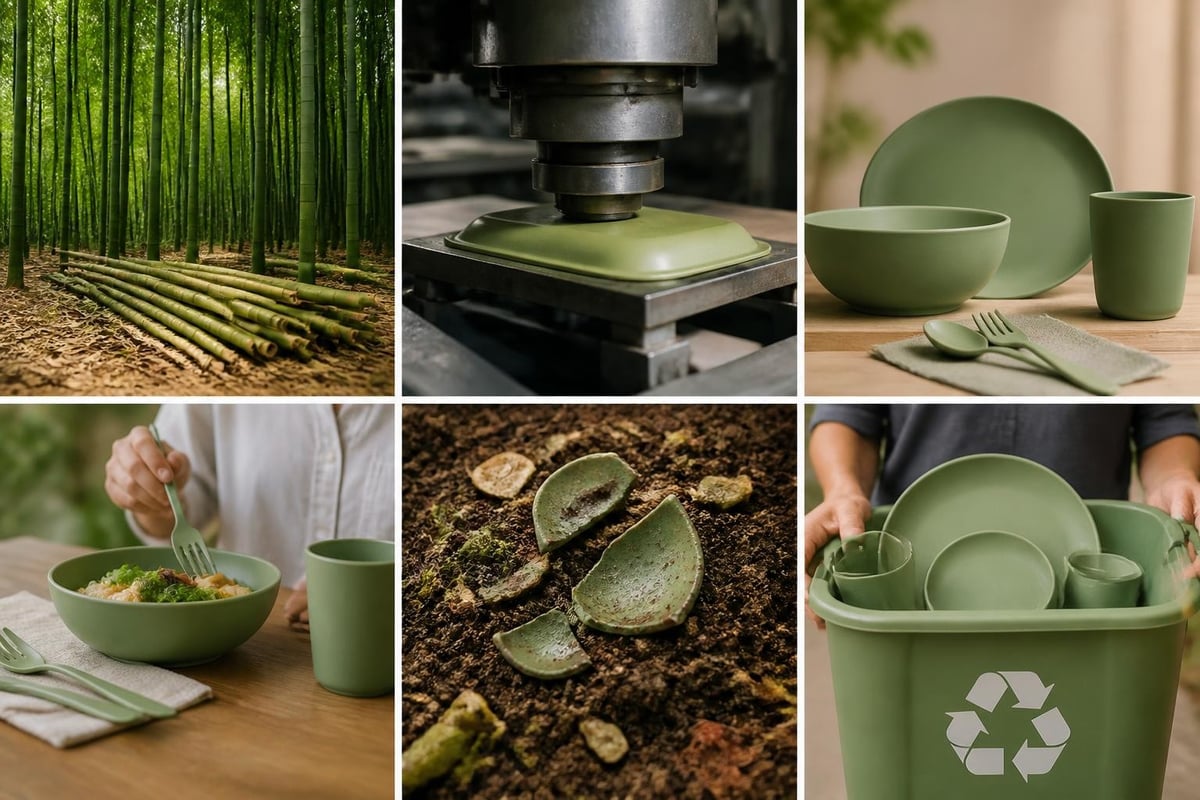
Compostable kitchenware requires careful evaluation. Research published in PubMed Central on disposable food packaging materials demonstrates that many products labeled "biodegradable" require commercial composting facilities to break down properly. Home composting rarely achieves the sustained temperatures necessary for complete degradation of bioplastic utensils or plant-fiber containers. Verify whether your municipality accepts compostable green kitchenware in organics collection programs before purchasing.
Selecting Green Kitchenware for Different Functions
Each kitchen task demands specific properties from its tools. Matching sustainable materials to intended use ensures both environmental benefits and practical performance.
Cookware and Bakeware
High-heat cooking requires materials that distribute warmth evenly while withstanding temperature extremes. Stainless steel excels for stovetop cooking, particularly when featuring an aluminum or copper core for heat conductivity. Cast iron skillets develop superior searing capabilities and transition seamlessly from stovetop to oven.
For baking, uncoated stainless steel and ceramic options eliminate exposure to non-stick chemicals. Glass baking dishes offer visibility during cooking and transition directly from oven to refrigerator without material degradation. Silicone baking mats replace disposable parchment paper while lasting thousands of uses when made from 100% food-grade silicone without fillers.
Food Storage Solutions
Green kitchenware storage solutions keep food fresh while eliminating single-use plastics. Glass containers with stainless steel or bamboo lids provide completely inert storage that prevents chemical migration into food. These materials tolerate freezer, refrigerator, and microwave use without warping or degrading.
Beeswax-coated cotton wraps offer reusable alternatives to plastic wrap and aluminum foil. These wraps mold around containers and food items using hand warmth, creating breathable seals that extend produce freshness. Properly maintained beeswax wraps last approximately one year before requiring replacement or refreshing.
| Storage Type | Material Options | Best Use Cases | Lifespan |
|---|---|---|---|
| Containers | Glass, stainless steel | Liquids, leftovers, meal prep | 10+ years |
| Wraps | Beeswax cotton, silicone lids | Covering bowls, wrapping sandwiches | 1-3 years |
| Bags | Organic cotton, silicone | Dry goods, produce, snacks | 3-5 years |
| Jars | Recycled glass | Bulk storage, fermentation | Indefinite |
Utensils and Cutting Tools
Bamboo and wood utensils protect cookware surfaces while providing comfortable grip and heat resistance. Unlike plastic alternatives, wooden spoons and spatulas don't melt, leach chemicals, or retain food odors when properly maintained. Oil treatment every few months preserves the wood and extends usable life.
Stainless steel measuring cups and spoons deliver precision and durability without the degradation common in plastic versions. Etched measurement markings remain legible indefinitely, whereas printed numbers on plastic tools fade with repeated washing.
Maintenance and Longevity Strategies
Maximizing the lifespan of green kitchenware amplifies environmental benefits by delaying replacement cycles and reducing overall consumption. Proper care preserves both function and appearance across decades of use.
Cleaning Best Practices
Different materials require tailored cleaning approaches. Cast iron maintains its seasoning through minimal soap use and immediate drying to prevent rust. Stainless steel tolerates vigorous scrubbing and dishwasher cycles without damage. Wood and bamboo green kitchenware products need hand washing with mild soap followed by air drying away from direct heat sources.
Material-specific care tips:
- Apply mineral oil to wooden cutting boards monthly to prevent cracking
- Remove stains from stainless steel using baking soda paste
- Season cast iron after each washing with thin oil layer
- Refresh beeswax wraps with heat application when coating wears thin
- Store knives properly to maintain blade edges and prevent handle damage
Repair Before Replacement
The most sustainable product is the one already in your kitchen. Minor damage need not trigger replacement when simple repairs restore functionality. Wooden utensils with rough spots benefit from light sanding and fresh oil application. Loose handles on pots and pans often require only tightening screws or rivets. Cast iron with rust spots recovers through scrubbing, re-seasoning, and renewed care protocols.
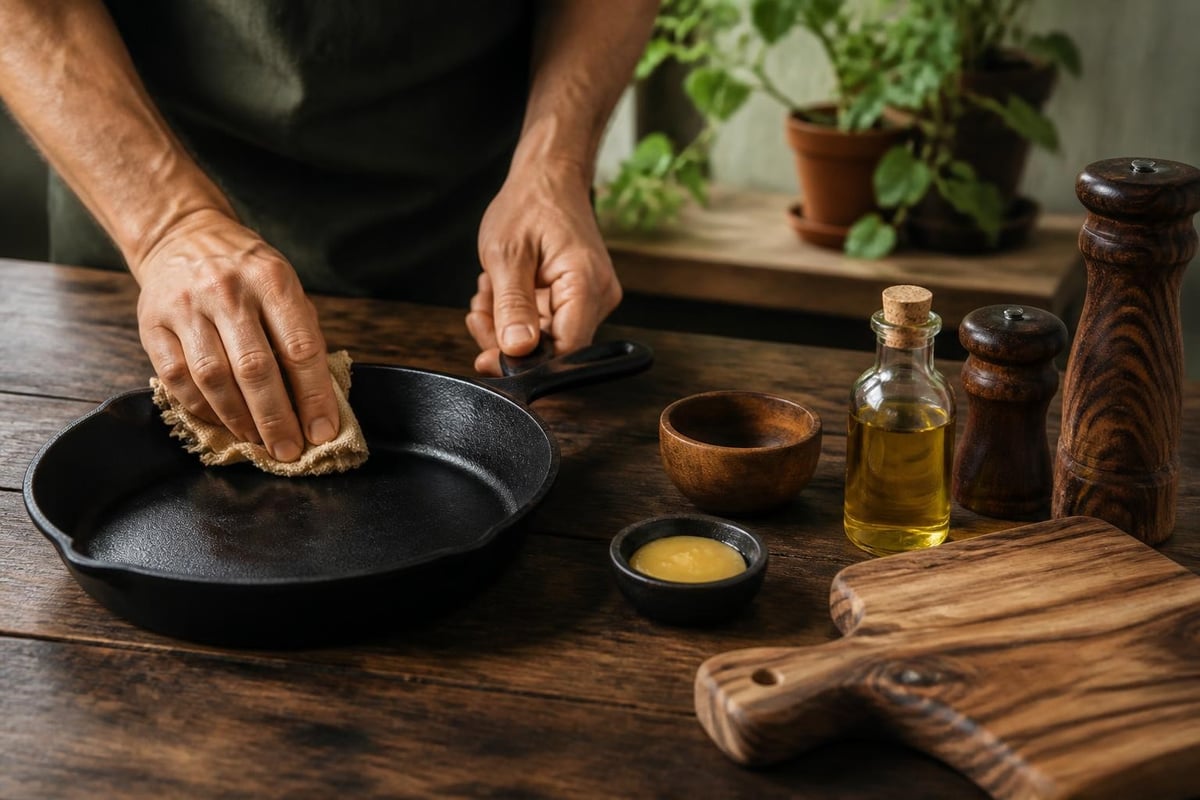
Community repair cafes and online tutorials provide guidance for fixing damaged green kitchenware rather than discarding functional items. This repair-first mindset aligns with circular economy principles and maximizes the environmental investment already made in existing products.
Making Informed Purchasing Decisions
Strategic buying transforms good intentions into meaningful environmental impact. A few high-quality green kitchenware pieces outperform dozens of low-grade alternatives that require frequent replacement.
Quality Over Quantity
Premium sustainable products command higher upfront costs but deliver superior value across their extended lifespans. A well-made stainless steel pot purchased in 2026 will likely serve three decades or more of daily cooking. The cost-per-use metric for durable green kitchenware dramatically undercuts cheaper alternatives requiring replacement every few years.
Evaluate total ownership costs including:
- Initial purchase price
- Expected lifespan based on material and construction
- Maintenance requirements and associated costs
- Energy efficiency during use (cookware heat retention)
- Warranty coverage and manufacturer support
Avoiding Greenwashing
Marketing claims sometimes outpace actual environmental benefits. Vague terms like "eco-friendly" or "natural" lack standardized definitions and third-party verification. Legitimate green kitchenware specifies exact materials, certifications, and manufacturing details rather than relying on ambiguous environmental claims.
Research manufacturer transparency regarding sourcing, production locations, and environmental policies. Companies committed to sustainability typically provide detailed information about their supply chains, material origins, and third-party testing results. Absence of specifics often signals greenwashing rather than genuine environmental commitment.
Building Your Collection Gradually
Transitioning to green kitchenware need not happen overnight. Replacing items as they wear out prevents waste while steadily improving kitchen sustainability. Prioritize frequently used items for earlier replacement, starting with cookware, storage containers, and daily utensils. Specialty tools used occasionally can wait until existing versions reach end-of-life.
Create a replacement roadmap identifying:
- Immediate priority: Items containing concerning chemicals or showing safety issues
- Short-term: Daily-use products approaching end of functional life
- Medium-term: Serviceable items to replace with sustainable versions eventually
- Long-term: Durable existing tools requiring no immediate action
This phased approach spreads costs across time while ensuring each purchase receives thorough research and consideration. Thoughtful acquisition prevents impulse buying and accumulation of unnecessary green kitchenware items.
Supporting Sustainable Business Practices
Consumer choices signal market demand and influence manufacturer behavior. Supporting companies prioritizing environmental stewardship accelerates industry-wide adoption of sustainable practices.
Manufacturer Commitments
Investigate company positions on environmental issues beyond product materials. Comprehensive sustainability encompasses renewable energy use in facilities, waste reduction initiatives, fair labor practices, and community investment. Manufacturers publishing annual sustainability reports demonstrate accountability and commitment to measurable progress.
B Corporation certification indicates businesses meeting verified standards of social and environmental performance, accountability, and transparency. Green kitchenware from B Corps supports organizations legally required to consider stakeholder impact alongside shareholder returns.
Supply Chain Transparency
Understanding where and how products originate empowers informed decisions. Transparent supply chains reveal material sourcing, manufacturing locations, and labor conditions throughout production. Local or domestic manufacturing typically offers greater visibility and accountability compared to complex international supply networks.
Ask retailers and manufacturers specific questions:
- Where do raw materials originate?
- What certifications verify sustainability claims?
- How are workers compensated throughout the supply chain?
- What percentage of materials come from recycled or renewable sources?
- Does the company accept used products for recycling or refurbishment?
Companies confident in their practices welcome these inquiries and provide detailed responses. Evasive or vague answers warrant skepticism and consideration of alternative suppliers.
Transitioning to green kitchenware combines immediate health benefits with long-term environmental stewardship, creating kitchens that nourish both families and the planet. By prioritizing durable materials, verified certifications, and thoughtful purchasing patterns, every household can reduce its ecological footprint while enjoying superior cooking tools designed to last decades. Whether you're replacing a single worn-out pan or completely outfitting a new kitchen, Kitchenovaplus offers carefully curated green kitchenware selections that balance sustainability, performance, and value for conscious consumers building better homes in 2026 and beyond.
Also in NewsWhether you're looking for practical advice

Professional Cookware: The Complete Guide for 2026

Enamel Cookware: Safety, Performance & Buying Guide

Jamie Oliver Cookware: Quality, Features & Value in 2026
Follow
Sign up to get the latest on sales, new releases and more …
© 2026 Kitchenovaplus.
Powered by Shopify


