
Cookware Home: Essential Guide to Building Your Kitchen
Building a well-equipped cookware home setup requires more than selecting random pots and pans from store shelves. The right collection balances performance, safety, durability, and your cooking style. Whether you're furnishing your first kitchen or upgrading worn pieces, understanding cookware materials, construction quality, and proper care ensures your investment serves you well for years. This comprehensive guide walks you through everything needed to create a functional, safe, and efficient cookware home environment.
Understanding Core Cookware Materials for Your Home
The foundation of any cookware home collection begins with selecting the right materials. Each option offers distinct advantages and trade-offs that affect cooking performance, maintenance requirements, and longevity.
Stainless Steel: The Workhorse Option
Stainless steel dominates professional and home kitchens for good reason. This material resists corrosion, handles high heat without warping, and works on all cooktop types including induction when properly constructed. Quality stainless steel cookware features multiple layers (tri-ply or five-ply) that sandwich an aluminum or copper core between steel exteriors, ensuring even heat distribution.
However, stainless steel isn't perfect. Foods can stick without proper preheating and fat, and research shows stainless steel can leach nickel and chromium into acidic foods during cooking. For most people, these trace amounts pose minimal risk, but those with nickel sensitivity should take note.
Key benefits include:
- Exceptional durability lasting decades
- Dishwasher-safe and metal-utensil compatible
- No reactive coating to degrade over time
- Excellent for browning and deglazing
Cast Iron and Carbon Steel
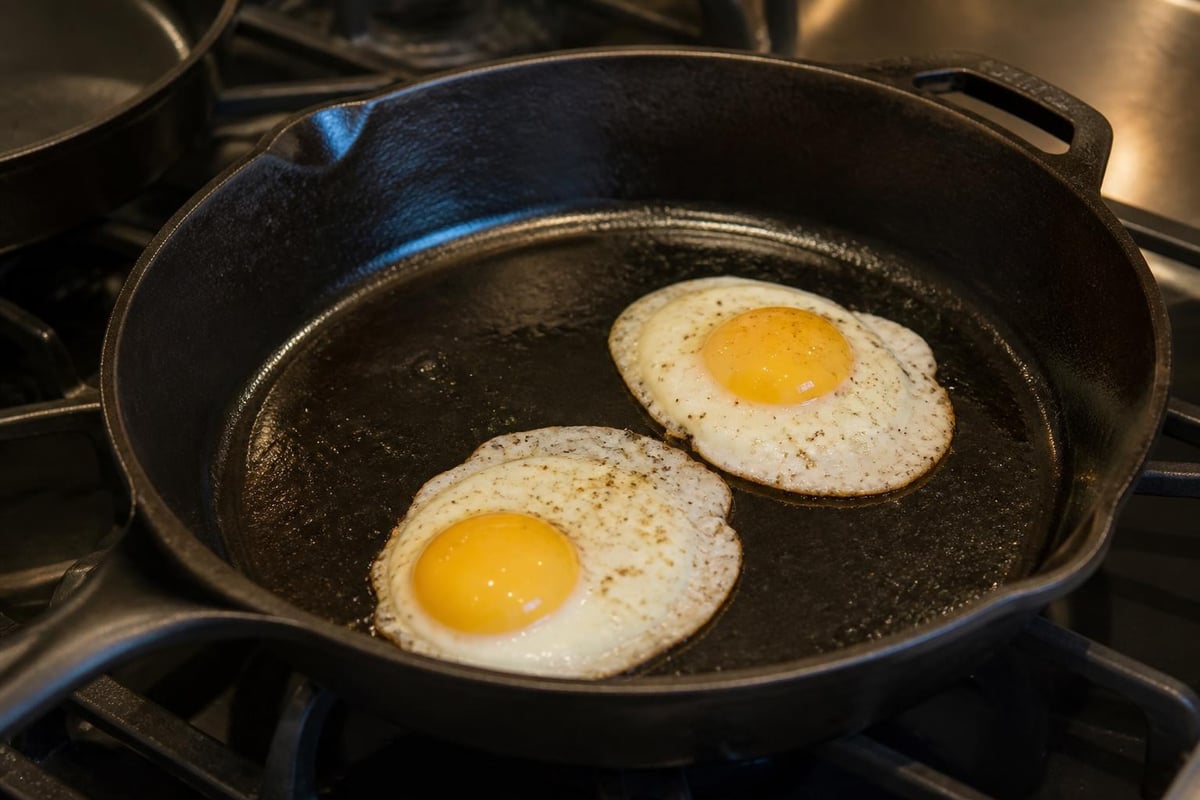
Traditional cast iron and its lighter cousin carbon steel offer unmatched heat retention and natural nonstick properties when properly seasoned. These materials excel at high-heat searing and can transition seamlessly from stovetop to oven.
Cast iron requires specific care. Season regularly with oil to maintain the protective patina, avoid prolonged contact with acidic foods that strip seasoning, and dry thoroughly to prevent rust. Carbon steel offers similar benefits with faster heating and easier handling due to lighter weight.
Nonstick Cookware Considerations
Nonstick surfaces simplify cooking delicate foods and cleanup, making them popular cookware home staples. Modern nonstick technology has evolved significantly, though concerns about PFAS (per- and polyfluoroalkyl substances) continue influencing consumer choices.
The EPA has strengthened regulations around PFAS due to environmental and health concerns. Many manufacturers now offer PFAS-free ceramic nonstick alternatives, though these typically have shorter lifespans than traditional PTFE coatings.
According to Consumer Reports' guidance on healthier cookware, properly using PTFE nonstick below 500°F minimizes risk, but replacing pans when coatings show wear remains essential.
| Material | Heat Tolerance | Maintenance | Lifespan | Best For |
|---|---|---|---|---|
| Stainless Steel | Very High | Low | 20+ years | Searing, sauces, versatility |
| Cast Iron | Very High | Medium | Lifetime | High-heat cooking, baking |
| Nonstick (PTFE) | Medium | Low | 3-5 years | Eggs, fish, low-fat cooking |
| Ceramic Nonstick | Medium | Low | 1-3 years | Delicate foods, healthy cooking |
| Carbon Steel | Very High | Medium | Lifetime | Stir-frying, searing |
Building Your Essential Cookware Home Collection
Smart cookware home planning prioritizes versatile pieces that cover multiple cooking techniques before adding specialty items.
The Core Four Pieces
Start with these fundamental pieces that handle 90% of home cooking tasks:
- 10-12 inch stainless steel skillet: Perfect for sautéing, pan-frying, and sauce reduction
- 3-4 quart saucepan with lid: Ideal for grains, small-batch soups, and reheating
- 8-10 inch nonstick skillet: Essential for eggs, pancakes, and delicate proteins
- 6-8 quart stockpot or Dutch oven: Necessary for pasta, stocks, and one-pot meals
This foundation provides the cookware home essentials without overwhelming limited storage or budgets. Each piece serves distinct purposes while occasional overlap allows flexibility when cooking multiple dishes simultaneously.
Expanding Your Collection Strategically
After establishing your core set, add pieces based on your actual cooking patterns rather than theoretical needs. Monitor which tasks feel limited by your current cookware home setup.
Common second-tier additions:
- Large skillet (12-14 inches) for family-sized portions
- Small saucepan (1-2 quarts) for melting butter or warming small quantities
- Sauté pan with high sides and lid for braising
- Cast iron skillet for specific high-heat applications
- Roasting pan for holiday cooking
Specialty items like woks, fish poachers, or paella pans make sense only if you regularly prepare those specific cuisines. Otherwise, they consume valuable storage while gathering dust.

Safety and Health Considerations
Modern cookware home safety extends beyond burn prevention to include material composition and proper usage practices.
Understanding Metal Leaching Risks
All metal cookware releases trace amounts of elements into food during cooking. Recent research on metal cookware as a lead exposure source highlights the importance of selecting products from reputable manufacturers who test for heavy metals.
Lower-quality imported cookware sometimes contains concerning levels of lead, cadmium, or other toxins in handles, decorative elements, or core materials. Purchasing from established brands with transparent testing protocols reduces these risks significantly.
Minimize metal leaching by:
- Avoiding prolonged cooking of acidic foods in reactive metals
- Not storing food in cookware overnight
- Replacing damaged or worn pieces promptly
- Choosing quality products with clear material certifications
Coating Integrity and Replacement Timing
Nonstick coatings require vigilant monitoring. Once surfaces show scratching, peeling, or discoloration, replacement becomes necessary. Continuing to use damaged nonstick cookware allows coating particles to mix with food and reduces performance.
According to Good Housekeeping's cookware material guide, proper care extends nonstick lifespan, but even well-maintained pans eventually need replacement. Budget for replacing nonstick pieces every 3-5 years as part of your cookware home maintenance plan.
Storage Solutions for Your Cookware Home
Proper storage protects your investment, maximizes kitchen space, and improves cooking efficiency. Cluttered, poorly organized cookware home setups lead to damaged pieces and frustrating meal preparation.
Cabinet Organization Strategies
Deep base cabinets near your primary cooking zone work best for heavy items like stockpots and Dutch ovens. Stack similar sizes with pan protectors between pieces to prevent scratching. Reserve shallower cabinets or drawers for skillets and sauté pans stored on their sides with vertical dividers.
Effective cookware home storage includes:
- Adjustable rack systems that grow with your collection
- Pull-out shelves providing access without removing front pieces
- Lid organizers preventing the jumbled-lid problem
- Drawer peg systems for custom pan arrangements
Hanging and Display Options
Overhead pot racks and wall-mounted rails free cabinet space while keeping frequently used pieces accessible. This approach works especially well for attractive copper, cast iron, or high-quality stainless pieces that enhance kitchen aesthetics.
Consider weight limits and proper anchoring when installing hanging storage. A fully loaded pot rack can weigh 50-100 pounds, requiring secure mounting into ceiling joists or wall studs.
| Storage Method | Space Efficiency | Accessibility | Best For |
|---|---|---|---|
| Stacked in cabinet | Medium | Low | Infrequently used pieces |
| Vertical dividers | High | High | Daily-use skillets |
| Hanging rack | Very High | Very High | Attractive, often-used items |
| Drawer with pegs | High | Very High | Premium collections |
| Wall-mounted rails | Medium | High | Small kitchens |
Maintenance and Care Practices
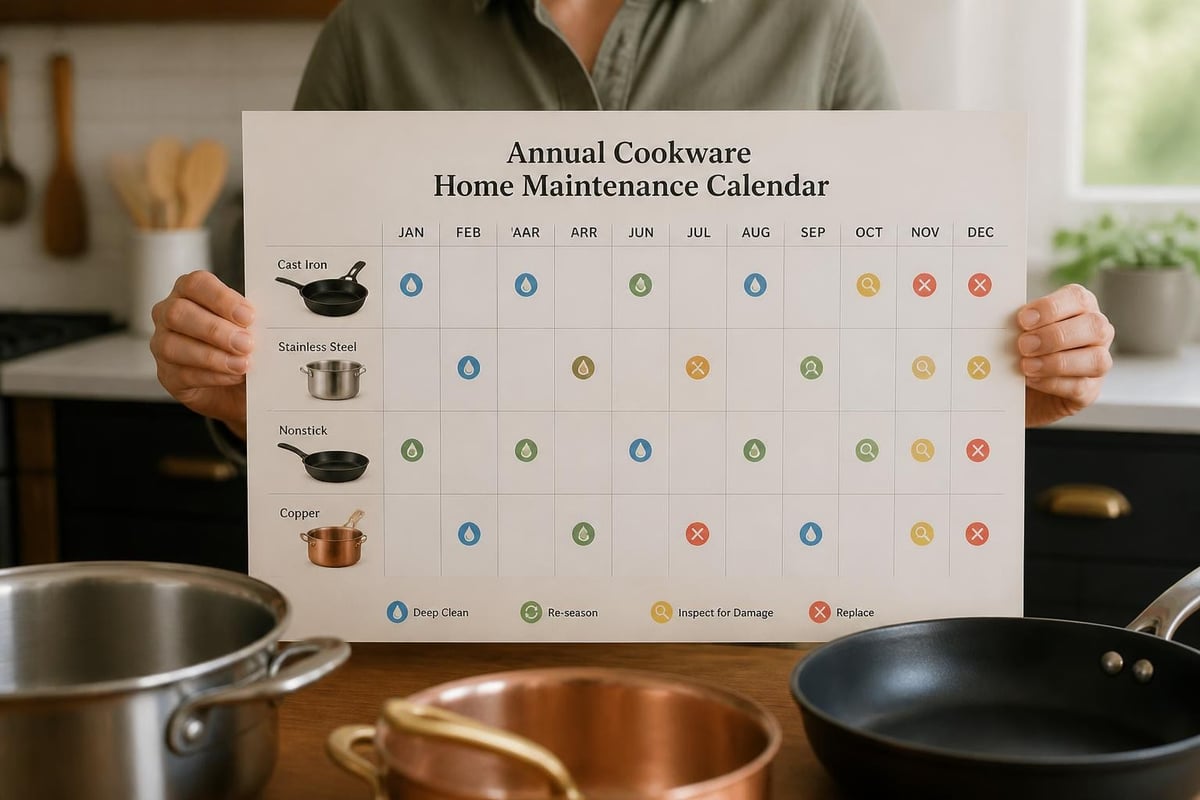
Proper care dramatically extends cookware home lifespan while maintaining optimal performance. Different materials require specific approaches.
Daily Cleaning Protocols
Wash most cookware shortly after use once it cools slightly. Hot water, dish soap, and non-abrasive sponges handle routine cleaning for stainless steel and nonstick surfaces. Avoid thermal shock by never plunging hot pans into cold water.
Cast iron and carbon steel follow different rules. Use minimal soap, dry immediately and thoroughly, and apply a light oil coating after each cleaning. This process maintains seasoning and prevents rust.
Material-specific care:
- Stainless steel: Use Bar Keeper's Friend for stubborn stains; acceptable in dishwasher but hand-washing preserves finish
- Nonstick: Hand-wash only with soft sponges; never use abrasive cleaners or metal utensils
- Cast iron: Scrub with coarse salt for stuck food; re-season if rust appears
- Copper: Polish regularly with specialized copper cleaner to maintain appearance
Deep Cleaning and Restoration
Even well-maintained cookware home pieces occasionally need intensive cleaning. Burnt-on food, mineral deposits, and discoloration respond to targeted treatments.
For stainless steel, create a paste from baking soda and water, apply to problem areas, and let sit before scrubbing. Boiling water with vinegar removes hard water stains and mineral buildup inside pots.
Restore cast iron seasoning by stripping the pan completely (oven cleaner or electrolysis), then rebuilding layers through repeated heating with thin oil coats. This process resurrects neglected or rusted pieces.
Cookware for Specialized Home Food Preparation
Certain food preservation and preparation methods require specific cookware home considerations beyond everyday cooking.
Home Canning Equipment Requirements
Safe home canning demands appropriate equipment. Water bath canners need sufficient depth to cover jars by at least one inch with boiling water. Pressure canners require weighted or dial gauges for proper processing temperatures.
The National Center for Home Food Preservation provides authoritative guidance on equipment selection and safe practices. Using tested recipes and proper cookware prevents foodborne illness while preserving your harvest.
Standard cookware home stockpots can double as water bath canners if they're deep enough and have flat bottoms suitable for your cooktop. Pressure canning requires dedicated equipment meeting safety standards.
Induction Compatibility Considerations
As induction cooktops gain popularity in 2026, cookware home compatibility becomes crucial. Induction requires magnetic materials in pan bases to function. Stainless steel works only when containing sufficient iron; cast iron and carbon steel excel; traditional aluminum and copper don't work unless they feature magnetic base layers.
Test existing pieces with a magnet. If it sticks firmly to the bottom, the pan works on induction. When building a cookware home collection, verify induction compatibility if you have or plan to install induction cooking.
Quality Indicators and Smart Purchasing
Distinguishing quality cookware from inferior products protects your budget and cooking experience. Several factors separate exceptional pieces from disappointing purchases.
Construction Details That Matter
Examine handle attachment carefully. Riveted handles outlast welded ones, and handles should remain cool during stovetop use or feature heat-resistant materials clearly marked. Weight indicates substance; quality pans feel substantial without being unwieldy.
For layered stainless steel, verify cladding extends up sidewalls, not just the base. Full-clad construction eliminates hot spots and provides consistent heating across the entire cooking surface.
Quality markers include:
- Even, scratch-resistant cooking surfaces
- Tight-fitting lids with steam vents
- Balanced weight distribution
- Clear material composition disclosure
- Manufacturer warranty of at least 5 years
Price-to-Value Relationships
Cookware home investments range from budget-friendly to premium pricing. Higher cost doesn't always guarantee better performance, but extreme budget options often disappoint.
Mid-range products from established manufacturers typically offer the best value. These pieces incorporate quality materials and construction while avoiding luxury brand premiums. Reserve premium spending for frequently used items while choosing budget options for specialty pieces used occasionally.
Research professional reviews and consumer testing before purchasing. Organizations like Consumer Reports conduct rigorous testing across price points, helping identify best-value options in each category.
Adapting Your Cookware Home Setup Over Time
Your cookware home needs evolve as cooking skills develop, household size changes, and dietary preferences shift. Regular assessment ensures your collection remains aligned with actual usage patterns.
Evaluating and Editing Your Collection
Annually review each piece and ask: Have I used this in the past year? Does it perform well? Is it damaged or worn? Pieces that fail these criteria deserve donation or replacement.
Common cookware home evolution patterns include upgrading frequently used items to higher quality, replacing worn nonstick pieces, and eliminating redundant sizes. A cook who initially needed basic equipment may graduate to performance-focused pieces as skills advance.
Seasonal and Lifestyle Adjustments
Life changes trigger cookware home needs. New parents often add smaller pans for baby food preparation. Home canners require specialized pots during harvest season. Dietary shifts toward plant-based eating may reduce need for certain pieces while increasing demand for others.
Remain flexible and practical. Your cookware home should serve your current lifestyle, not an aspirational version requiring different cooking patterns. Purchase pieces as needs arise rather than accumulating items for hypothetical future use.
Building and maintaining the right cookware home collection combines material knowledge, strategic purchasing, proper care, and regular evaluation. Focus on versatile, quality pieces that match your actual cooking style rather than assembling every possible option. When you're ready to upgrade your cookware home setup with carefully selected, high-quality pieces, Kitchenovaplus offers the expertly curated kitchenware selection and guidance you need to cook with confidence every day.
Also in NewsWhether you're looking for practical advice

Professional Cookware: The Complete Guide for 2026

Enamel Cookware: Safety, Performance & Buying Guide

Jamie Oliver Cookware: Quality, Features & Value in 2026
Follow
Sign up to get the latest on sales, new releases and more …
© 2026 Kitchenovaplus.
Powered by Shopify


