
Camping Kitchenware: Essential Gear for Outdoor Cooking
Outdoor cooking transforms a simple camping trip into a memorable culinary adventure. Whether you're preparing a hearty breakfast at sunrise or gathering around the fire for dinner, having the right camping kitchenware makes all the difference between struggling with inadequate tools and enjoying a seamless cooking experience. The key to successful outdoor meal preparation lies in selecting durable, lightweight, and versatile equipment that can withstand the demands of wilderness conditions while keeping your pack weight manageable.
Understanding Your Camping Kitchenware Needs
The camping kitchenware you select depends heavily on several critical factors that shape your outdoor experience. Trip duration plays a significant role in determining what you'll carry, as a weekend outing requires far less than a week-long expedition.
Group size directly impacts your cookware choices and capacity requirements. Solo campers can get away with minimal gear, while families or groups need larger pots, multiple utensils, and increased food storage capacity. Consider these essential questions before purchasing:
- What type of camping will you do most frequently (car camping, backpacking, or overlanding)?
- How many people will you typically cook for?
- What cooking methods do you prefer (stove, fire, or both)?
- How much weight and space can you realistically allocate to kitchen gear?
Environmental conditions also influence your selections. High-altitude camping requires different fuel systems than coastal trips, and cold-weather expeditions demand equipment that performs reliably in freezing temperatures.
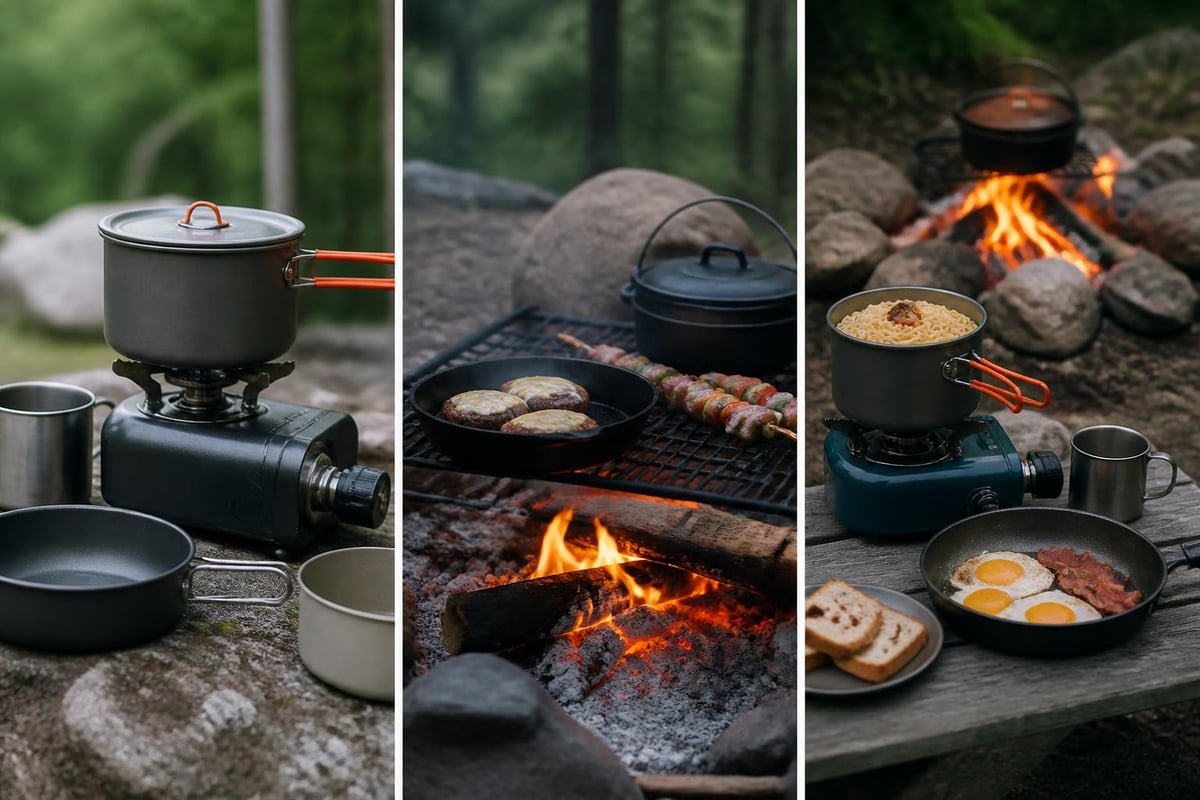
Core Cookware Components
Quality cookware forms the foundation of any functional camp kitchen. The materials you choose directly affect durability, weight, heat distribution, and maintenance requirements throughout your trips.
Pots and Pans for Different Cooking Styles
Stainless steel offers excellent durability and scratch resistance, making it ideal for campers who prioritize longevity over weight savings. These pieces handle high heat well and work beautifully over open flames, though they tend to be heavier than alternatives.
Aluminum cookware provides an excellent balance between weight and performance. Hard-anodized aluminum resists scratches and distributes heat evenly, while remaining significantly lighter than steel. Many modern camping pot sets utilize this material for good reason.
Cast iron deserves special mention for car campers who don't mind the extra weight. A well-seasoned cast iron skillet delivers unmatched heat retention and develops superior non-stick properties over time. The National Park Service provides detailed guidance on cooking in camp, including considerations for different cookware types in various park environments.
| Material | Weight | Durability | Heat Distribution | Best For |
|---|---|---|---|---|
| Stainless Steel | Heavy | Excellent | Good | Car camping, long-term durability |
| Hard-Anodized Aluminum | Light | Very Good | Excellent | Backpacking, balanced performance |
| Titanium | Very Light | Excellent | Fair | Ultralight backpacking |
| Cast Iron | Very Heavy | Outstanding | Excellent | Car camping, fire cooking |
Titanium represents the premium choice for weight-conscious backpackers. While expensive, titanium cookware offers incredible strength-to-weight ratios and will last decades with proper care.
Nesting Systems and Space Efficiency
Modern camping kitchenware often features nesting designs that maximize packing efficiency. Quality sets include pots of graduated sizes that stack inside one another, with lids that double as frying pans or plates. This thoughtful engineering reduces bulk and creates organized storage.
Look for sets with removable handles that fold flat or detach completely. These designs prevent awkward protrusions that waste precious pack space and snag on other gear.
Essential Cooking Tools and Utensils
Beyond pots and pans, a well-equipped camp kitchen requires carefully selected tools that handle multiple tasks. Redundancy adds weight without adding value, so focus on versatile implements.
Multi-purpose utensils should top your list. A sturdy spork combines fork and spoon functionality, while long-handled spatulas with serrated edges can flip, stir, and cut. Collapsible silicone tools resist heat while folding down to minimal storage profiles.
Sharp knives remain essential despite weight considerations. A single quality fixed-blade or folding knife handles most camp food prep tasks effectively. Pair it with a compact cutting board that provides a stable, sanitary surface.
Heat Sources and Fuel Considerations
Your camping kitchenware collection must include a reliable heat source matched to your cooking style and environmental conditions. Portable canister stoves offer convenience and precise temperature control, making them popular among backpackers and minimalist campers.
Liquid fuel stoves perform better in extreme cold and at high altitudes where canister stoves struggle. They require more maintenance but offer superior versatility across seasons and elevations.
For those who enjoy traditional campfire cooking, the National Park Service offers comprehensive campfire guidance covering safety protocols and proper tool selection. Grill grates, tripods, and fire-resistant gloves become necessary additions to your camping kitchenware inventory for this cooking method.
When selecting fuel types, consider the technical aspects of volatile organic compounds and their environmental impact, particularly in enclosed cooking spaces or sensitive wilderness areas.
Food Storage and Organization
Proper food storage protects your provisions from wildlife, weather, and contamination while maintaining freshness throughout your trip. This category of camping kitchenware often receives insufficient attention despite its critical importance.
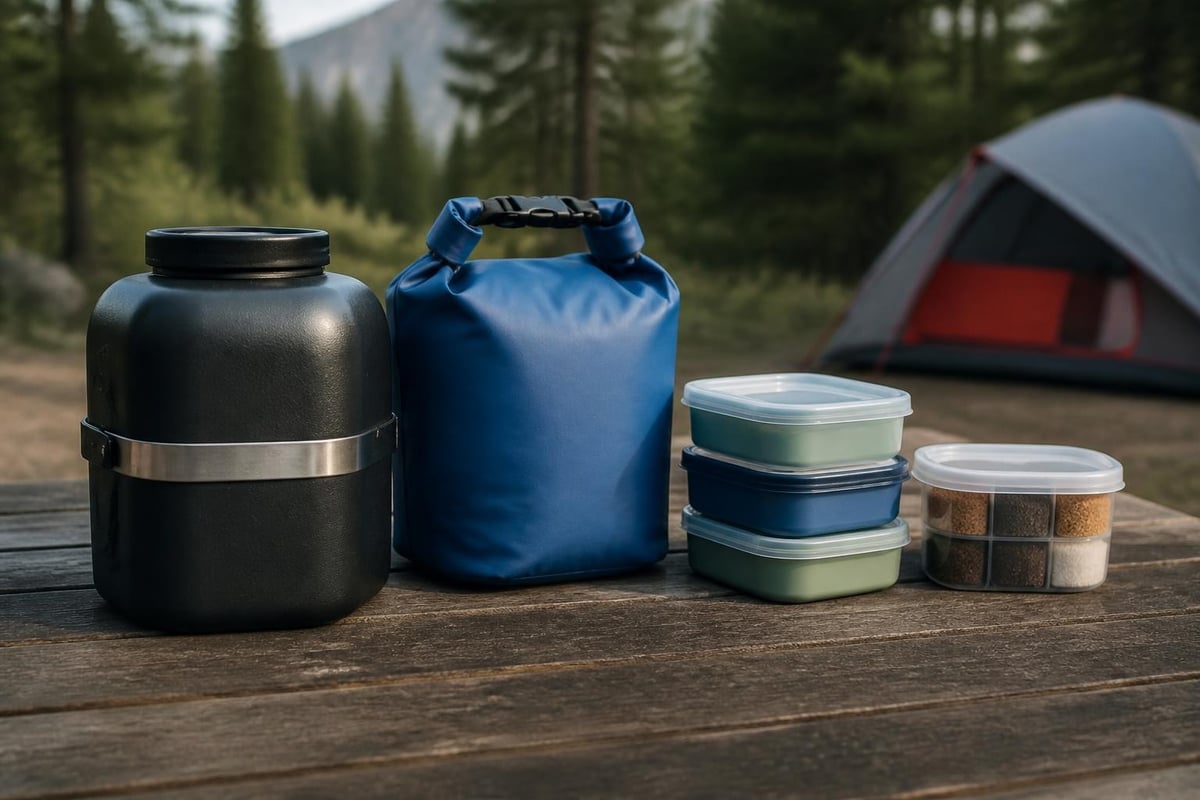
Container Selection Strategies
Bear-resistant containers are mandatory in many wilderness areas and provide peace of mind everywhere. Hard-sided canisters protect food from curious animals while doubling as camp stools or tables. Soft-sided bear bags offer lighter alternatives when used with proper hanging techniques.
Waterproof dry bags keep perishables dry during water crossings or unexpected rain. Choose bags with different colors or marking systems to quickly identify contents without opening multiple containers.
Collapsible containers maximize space efficiency by compressing when empty. Silicone bowls, cups, and storage boxes fold nearly flat, expanding only when needed. This flexibility proves invaluable on extended trips where you'll consume supplies and create extra space as you go.
Cooler Considerations for Car Campers
Car camping allows luxury items like coolers that maintain food at safe temperatures for days. Modern high-performance coolers with thick insulation retain ice far longer than budget models, reducing the need for ice resupply on longer trips.
Consider these cooler features:
- Adequate insulation thickness (at least two inches of foam)
- Tight-sealing gaskets that prevent cold air loss
- Drain plugs for easy water removal
- Tie-down points for secure vehicle mounting
- Size appropriate to your group and trip length
Separate coolers for beverages and food extend ice retention significantly, as drink coolers get opened far more frequently.
Cleaning and Maintenance Equipment
Maintaining hygiene standards in the wilderness requires dedicated camping kitchenware for cleanup. Biodegradable soap designed specifically for outdoor use minimizes environmental impact while effectively cutting grease and food residue.
Collapsible wash basins provide designated spaces for washing dishes away from natural water sources, following Leave No Trace principles. A three-basin system (wash, rinse, sanitize) represents the gold standard for camp hygiene.
Pack a compact scrubber or sponge in a ventilated pouch that allows drying between uses. Quick-dry microfiber towels absorb more water than traditional cloth while resisting bacterial growth and mildew.
Water Treatment Integration
Your camping kitchenware setup should incorporate water treatment capability for cooking and cleaning. Filter systems, purification tablets, or UV sterilizers ensure safe water access regardless of source quality.
Collapsible water containers transport larger quantities from source to camp kitchen, reducing trips and streamlining meal preparation. Look for BPA-free materials with wide mouths that facilitate filling and cleaning.
Specialized Items for Enhanced Camp Cooking
As you gain experience, certain specialized camping kitchenware items elevate your outdoor culinary capabilities beyond basic meal preparation. These additions cater to specific cooking styles and personal preferences.
Coffee enthusiasts appreciate portable espresso makers, pour-over drippers, or French presses that deliver quality morning brews in remote locations. Compact grinders ensure fresh grounds without requiring pre-ground coffee that loses flavor quickly.
Portable grills and griddles attach to camp stoves or sit over campfires, expanding cooking methods beyond simple boiling. Flat griddle surfaces accommodate pancakes, eggs, and grilled sandwiches that boost morale during challenging trips.
| Specialty Item | Primary Use | Weight Category | Value Rating |
|---|---|---|---|
| Espresso Maker | Morning coffee | Medium | High for enthusiasts |
| Camp Grill | Expanded cooking methods | Heavy | Medium-High |
| Dutch Oven | Baking, braising | Very Heavy | High for car campers |
| Spice Kit | Flavor enhancement | Light | High |
| Cutting Board Set | Food preparation | Light-Medium | Medium |
Dutch ovens deserve special recognition among car campers for their remarkable versatility. These heavy cast iron pots bake bread, braise meat, and simmer stews with results rivaling home kitchens. The learning curve justifies the effort for those who appreciate exceptional camp meals.
Material Selection and Durability Factors
Understanding how different materials perform under outdoor conditions helps you invest wisely in camping kitchenware that lasts. Temperature extremes, physical abuse, and repeated exposure to moisture and flames test equipment beyond typical home kitchen use.
Food-grade silicone withstands high temperatures while remaining flexible at freezing points. This versatility makes it ideal for collapsible items, handles, and utensils that must perform reliably across seasons.
Avoid materials that leach chemicals when heated or scratched. BPA-free plastics, food-grade stainless steel, and properly seasoned cast iron maintain food safety throughout their service lives.
Coatings require special consideration. Non-stick surfaces simplify cleanup but scratch easily and degrade over time. Ceramic coatings offer better durability than traditional Teflon, though they still demand gentle handling and non-abrasive cleaning tools.
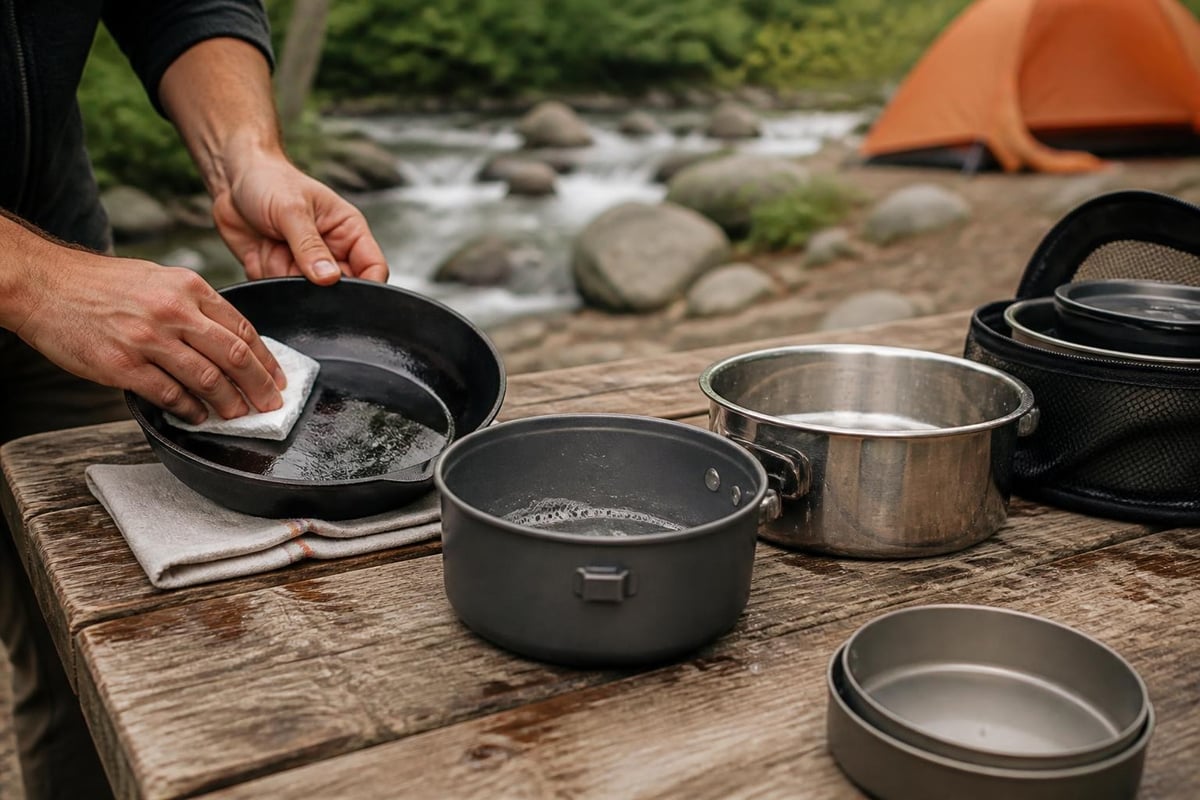
Weight Distribution and Packing Strategies
Efficient packing transforms a jumbled collection of camping kitchenware into an organized, accessible system. Weight distribution affects both comfort during transport and ease of access at camp.
Place heavier items like pots and stoves low in your pack, close to your back. This positioning maintains center of gravity and reduces strain during hiking. Lighter items such as utensils and collapsible containers fill upper spaces and outside pockets.
Stuff sacks and organizer bags separate categories and prevent metal items from damaging other gear. Clear or mesh bags allow visual identification without opening containers. Label bags clearly for shared gear in group settings.
Consider what you'll need immediately upon arriving at camp versus items required only during meal preparation. Quick-access pockets should hold fire starters, headlamps, and initial cooking essentials, while less urgent items can pack deeper.
Budget Considerations and Long-Term Value
Quality camping kitchenware represents an investment that pays dividends across countless adventures. While budget constraints are real, focusing on long-term value rather than initial cost often yields better results.
Start with essential, high-quality core items and expand gradually. A reliable pot set, solid utensils, and dependable heat source form the foundation. Add specialty items as your cooking ambitions grow and you identify specific needs.
Buy once, cry once applies particularly to camping kitchenware. Well-constructed pieces from reputable manufacturers outlast cheap alternatives by years or decades, ultimately costing less per use. Many premium brands offer lifetime warranties that protect your investment.
Watch for end-of-season sales when outdoor retailers clear inventory. Quality gear from previous model years performs identically to current offerings at significant discounts. Resist trendy gimmicks in favor of proven designs with established track records.
The Eater guide to camping cookware for beginners offers practical perspectives on balancing cost, performance, and real-world usability across different price points and cooking styles.
Advanced Organization Systems
Experienced campers develop systematic approaches to camping kitchenware organization that streamline setup and breakdown while preventing forgotten items. Creating standardized kits for different trip types reduces pre-departure stress and ensures consistency.
Dedicated storage bins live in your garage or storage area, pre-packed with non-perishable kitchen gear. When planning a trip, simply grab the appropriate bin rather than gathering items individually. This system also facilitates inventory management and identifies wear before trips.
Checklists specific to your camping kitchenware prevent oversights. Digital lists on smartphones work well, though laminated paper versions serve as backups when electronics fail. Review and refine these lists after each trip, noting what you used, didn't use, or wished you had brought.
Group gear by function rather than size. Keep all fire-starting materials together, all cleaning supplies together, and all eating utensils together. This functional organization mirrors how you'll actually use items at camp, reducing search time during meal preparation.
Selecting and maintaining the right camping kitchenware transforms outdoor cooking from a chore into an enjoyable aspect of wilderness adventures. Quality equipment appropriate to your camping style ensures reliable performance across countless trips while keeping pack weight manageable. Whether you're a weekend warrior or extended expedition enthusiast, thoughtfully chosen kitchen gear enhances safety, efficiency, and meal quality under the stars. At Kitchenovaplus, we understand that great outdoor experiences start with reliable equipment, and our curated selection of durable kitchenware helps adventurers of all experience levels equip their camp kitchens for success.
Also in NewsWhether you're looking for practical advice

Professional Cookware: The Complete Guide for 2026

Enamel Cookware: Safety, Performance & Buying Guide

Jamie Oliver Cookware: Quality, Features & Value in 2026
Follow
Sign up to get the latest on sales, new releases and more …
© 2026 Kitchenovaplus.
Powered by Shopify


